
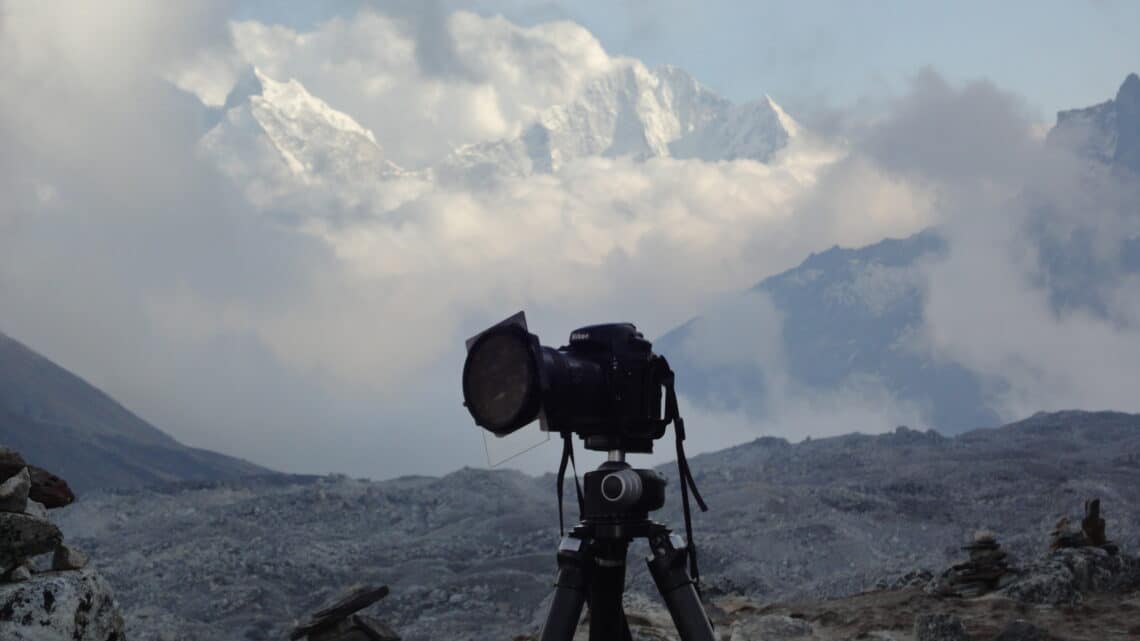
Is the Everest Base Camp Trek for You? Thinking about doing the Everest Base Camp (EBC) trek? Great move — it’s one of those epic adventures that gets under your skin until you finally decide to go. But let’s be straight: it’s not a walk in the park. You’ll be trekking 5–7 hours (sometimes more) each day, gaining altitude, facing changing weather and terrain, and your body and mind will be put to the test.
That said — you don’t need to be an ultra-athlete. What matters more is endurance, mindset, and preparation. If you already walk/hike regularly, are comfortable being active several hours a day, and are excited (not fearful), you’re in a good place.
And yes: safe acclimatization is key. You’ll be following the “hike high, sleep low” rule — climbing during the day, sleeping a little lower — so your body has the best chance to adjust. Respect the mountain and the process, and you’ll get to enjoy some of the most incredible views, cultural encounters and sense of achievement you’ll ever have.
Quick facts
• Duration on the trail: ~12–14 days (including 2 acclimatization days)
• Average hiking time: 5–7 hours/day (some days longer)
• Highest point: around 5,550 meters / ~18,200 feet (at Kala-Patthar)
• Difficulty: moderate to strenuous
• Best for: someone with a positive attitude, good cardio and willingness to train
• Biggest risk: altitude — so don’t rush it
• Reward: breathtaking Himalayan views, deep sense of accomplishment, life-long memories
Choosing When to Go — Season by Season
Timing really matters. The Himalayan weather, trail conditions and crowds vary a lot by season. Here’s a breakdown:
Spring (March – May)
Pros: Classic choice; relatively stable weather, clear skies, rhododendrons blooming.
Vibe: Social, lively — you’ll share the trail with many trekkers.
Cons: Crowds, teahouses booked up, you’ll need to plan ahead. Nights can still be pretty cold at higher altitudes.
Autumn (September – November)
Pros: Arguably the best time. After monsoon, the air is clean, views are sharp, light is fantastic.
Vibe: Busy but vibrant. Great for photographers.
Cons: Peak season — so higher demand, more people.
Winter (December – February)
Pros: Quiet trails, fewer trekkers, stunning snowy scenery.
Vibe: Peaceful, almost solitary.
Cons: Extreme cold, icy patches, some lodges/teahouses may be closed, you’ll need serious gear.
Monsoon (June – August)
Pros: Green landscapes, fewer people on the trail.
Vibe: Wild, raw.
Cons: Muddy trails, leeches in forested/lower parts, frequent flight delays (especially to/from Lukla), often poor visibility for mountain views. For first-timers it’s less ideal unless you’re up for the adventure and unpredictability.
Summary Table:
Season Best for Watch out for
Spring Flowers, milder temps Crowds, early booking needed
Autumn Ultra clear views, ideal weather Very busy
Winter Solitude, snowy landscape Very cold, limited services
Monsoon Fewer people, lush scenery Wet, slippery, unpredictable
Training & Preparation — Physical & Mental
You’ve got the dream. Now let’s get you ready.
Physical Preparation
Start 3–4 months before your trek if possible. Focus on:
• Cardio: Walking, running, cycling — especially on hills or stairs to ramp up your uphill-fitness.
• Weighted hikes: Practice walking with your daypack loaded (5-10 kg) so your body gets used to carrying gear.
• Strength & core work: Squats, lunges, planks — your legs and core will get taxed regularly.
• Break-in boots: Seriously — new boots = blisters. Wear them often early to avoid issues on the trail.
Mental Preparation
It’s not just your legs doing the heavy lifting. Your mindset matters.
• Realistic expectations: Some days will feel amazing; others will feel long, cold, tiring. That’s normal.
• Stay present: Rather than thinking “how many more days?”, focus on “what’s the next rest stop?” or “what’s the next village?”.
• Embrace discomfort: You might feel altitude fatigue, slight nausea, restless sleep — acknowledging that it’s part of the process makes it easier.
• Positive attitude & humor: The people you meet, the small triumphs each day, and the sense of community in teahouses make a big difference.
Guided or Independent Trek — Which Is Right?
For first-timers, choosing the right style of trekking is huge.
Independent Trekking
If you’re highly experienced, love planning every detail, and are comfortable with logistics and potential risks — this can work. But for the EBC trail:
• The local regulations now require a licensed guide for many parts of the Everest region.
• You’ll need to arrange all permits, accommodation, flights, gear, daily logistics yourself.
• If something goes wrong (weather, altitude, injury) you’re largely on your own.
Guided Trek (Recommended)
For your first time, a guided trek with a reputable agency like Adventure Aspirant is smart. Why?
• They handle permits, flights, teahouse bookings, gear, route planning.
• Your guide is also your safety net: trained to spot altitude issues, knows the terrain, speaks the language, handles emergencies.
• You’ll carry only your day-pack (the porter carries your big duffel bag) so you conserve energy for the trek itself.
• Yes — it costs more than doing everything yourself, but the value (time saved, stress avoided, safety) is huge.
What to Pack — The Real Gear List
You don’t need to overpack. But you do need the right items, especially for high-altitude and unpredictable weather.
The Two Bag Rule
• Daypack (you carry): Essentials you need for each day’s hike
• Duffel bag (porter carries): Most of your heavy/warm gear you’ll only need at lodges or higher elevations
Clothing — The Layering System
Use the three-layer system:
• Base layer: Moisture-wicking long-sleeves, thermal leggings — these sit against your skin.
• Mid layer: Insulating layer — fleece jacket, down vest, etc.
• Outer layer: Waterproof/windproof shell + warm down jacket for evenings/high altitudes.
• Extras: Sun hat/cap, warm beanie, neck gaiter/buff, thin gloves + thick waterproof gloves.
Footwear & Socks
• Hiking boots: Sturdy, ankle‐support, well-broken in.
• Camp shoes: Lightweight sneakers or sandals for evenings.
• Socks: No cotton. Get merino or synthetic hiking socks. A couple of thicker thermal pairs for sleeping or high altitude.
Sleeping Bag
Don’t rely solely on lodge blankets — they may not suffice.
• Choose a down bag rated for at least –10 °C (~14 °F). For winter treks, consider a –20 °C bag.
• A sleeping bag liner adds warmth + hygiene.
Essentials & “Small but Mighty” Gear
• Water purification: reusable bottle or bladder + filter/purification tablets.
• Power bank (20,000 mAh or more) & headlamp with extra batteries.
• Personal/medical kit: blister pads, athletic tape, pain relievers, any personal meds.
• Hygiene & comfort: hand sanitizer, wet wipes, travel towel, lip balm (with SPF), sunscreen.
• Documents & cash: passport, permits, extra cash for trail extras (charging, showers, WiFi).
• Snacks & energy bars.
Packing suggestion:
Daypack (you carry) Duffel bag (porter carries)
Water bottle/bladder Warm down jacket (evenings)
Purification system Extra thermal/insulation layers
Camera/phone + power bank Clean socks & underwear
Headlamp Camp shoes or sandals
Snacks, lip balm, sunscreen Sleeping bag + liner
Waterproof jacket (shell) Extra snacks for trek
Small first-aid kit Earplugs (teahouses can be noisy)
Hat, gloves, buff Passport, permits, cash
Try to keep your daypack under ~5 kg (if possible) so you’re comfortable hiking. Duffel bag can be up to ~15 kg.
Understanding the Cost
Let’s talk numbers — so you know what your money is actually going toward and what to budget for.
What you’re paying for
If you book with a full-service trekking operator like Adventure Aspirant, your package usually covers:
• Permits (e.g., entry to the national park, local region)
• Flights: Kathmandu ↔ Lukla (roughly)
• Guide & porter (their food, insurance, accommodation)
• Accommodation along the trek (teahouses)
• Meals (typically breakfast, lunch, dinner on the trail)
All of these reduce your stress and logistics load.
Extra costs you’ll handle
Even with a full package, you’ll still have to budget for:
• Phone charging, WiFi, hot showers (these cost more at higher elevations)
• Soda/beer/snacks you buy on the trail
• Tips for guide & porter (customary and appreciated)
• Personal gear (if you buy or rent)
• Personal travel insurance, international flights.
Permits
You’ll need permits to enter the trekking region and national park (for example, the Sagarmatha National Park permit plus local municipality permit). Your operator will include these, but it’s good to know they exist.
Life on the Trail — What to Expect
So, you’ve arrived. What is daily life like on the EBC trek? It’s unique — not luxury, but far from “roughing it”. Think of it as comfortable adventure.
Teahouses
These are mountain lodges run by local families. Your room might be simple: two single beds, thin mattress, maybe a pillow. No luxury, no heating typically. The warmth and atmosphere come from the communal dining hall. Evening chats around a yak-dung-stove, card games, sharing stories with other trekkers — that’s part of the magic.
Bathrooms: At lower elevations you might have flush toilets. As you climb, expect squat toilets, fewer showers. A hot shower (if available) will cost extra (maybe $4–8 depending on altitude).
Food
The classic staple: “Dal Bhat Power 24 Hour!” — rice, lentil soup, vegetable curry, all-you-can-eat. It’s nutritious, familiar and gives you energy. You’ll also find noodles, fried rice, soups, etc. Meat is an option, but at high altitudes refrigeration is limited, so many trekkers stick to vegetarian/veg meals for safety.
Water & Hydration
Hydration is critical for altitude. Many lodges sell boiled water (which is safe) — you pay a few dollars. Better: bring your own bottle + purification method to avoid buying many plastic bottles (and help reduce waste). Staying well hydrated helps acclimatize.
Everyday rhythm
You’ll wake early, have breakfast, set off for your hike (5-7 hours typical, sometimes more), reach your next teahouse, lunch, maybe short walk/explore, dinner, relax, early to bed. Elevation increases day by day; you’ll have one or two “rest/acclimatization” days where you hike short distances at high altitude and return lower to sleep.
Responsible Trekking & Cultural Respect
Trekking in the Khumbu region isn’t just about the scenery — it’s about interacting respectfully with the local culture and environment.
Cultural respect
• Greet locals with a friendly “Namaste” and a slight bow.
• At monasteries or mani walls (prayer stones), always walk clockwise.
• Remove shoes when entering teahouses or monasteries.
• Ask permission before taking someone’s photo.
• Be open, curious, respectful of traditions — you’re a guest in their home.
Environmental respect
• “Leave no trace”: Pack out whatever you packed in. Even small items matter.
• Stick to established trails to reduce erosion.
• Avoid buying many single-use plastics if you can; use your own bottle and purification method.
• Support local economy: use local teahouses, buy from local shops, hire local guides/porters.
Frequently Asked Questions (FAQ) of, Is the Everest Base Camp Trek for You?
Q: How fit do I need to be?
A: You don’t need to be a marathon runner, but you do need good general fitness, comfort walking/hiking 5-7 hours daily, and the willingness to train a few months ahead. The altitude is the main challenge, not super-technical climbing.
Q: What if I feel sick from the altitude?
A: The best protection is slow ascent, staying hydrated, and taking rest/acclimatisation days. Your guide will monitor signs (headache, nausea, trouble sleeping). If symptoms worsen you may descend — always take altitude seriously.
Q: Can I trek independently without a guide?
A: For the Everest Base Camp trail, many regulations now require a licensed guide for foreign trekkers. For a first-timer, a guided trek is highly recommended (for safety, logistics, local knowledge).
Q: How much does it cost?
A: It varies depending on season, comfort level, and inclusions. A full‐service guided trek including permits, flights, food/accommodation, guide/porter typically costs more than “just doing it yourself” but provides major peace of mind. Then you should budget daily for extras (charging, WiFi, shower, snacks).
Q: What gear should I absolutely bring?
A: Good hiking boots (broken-in), layers of clothing (base, mid, outer), down jacket for evenings, sleeping bag (rated for cold), daypack + duffel bag system, water purification, power bank, headlamp, good socks (no cotton), personal first-aid items.
Q: When is the best time to go?
A: Spring (March–May) and Autumn (September–November) are the most popular due to weather and views. Winter is possible but cold and some facilities may be limited. Monsoon season is the most challenging for first-timers (wet, muddy, flights may be delayed).
Q: What’s the food like on the trail?
A: Lots of dal bhat (rice + lentils + veg) which is hearty and reliable. Also soups, noodles, Tibetan bread, etc. For meat, conditions at higher elevations may be less ideal (no refrigeration), so many stick to vegetarian/veg options for safety.
Q: How many days should I allocate?
A: A common itinerary is ~12–14 days including acclimatisation. If you rush it you increase risk of altitude problems, so take your time.
Final Thoughts
Planning is everything — the more you prepare ahead (physically, mentally, gear, logistics), the more you’ll relax and enjoy the journey. And yes — when you reach that moment at Everest Base Camp, or look out from Kala Patthar at sunrise over the peaks, you’ll know why you chose this adventure. It’s one you’ll remember for the rest of your life.


