
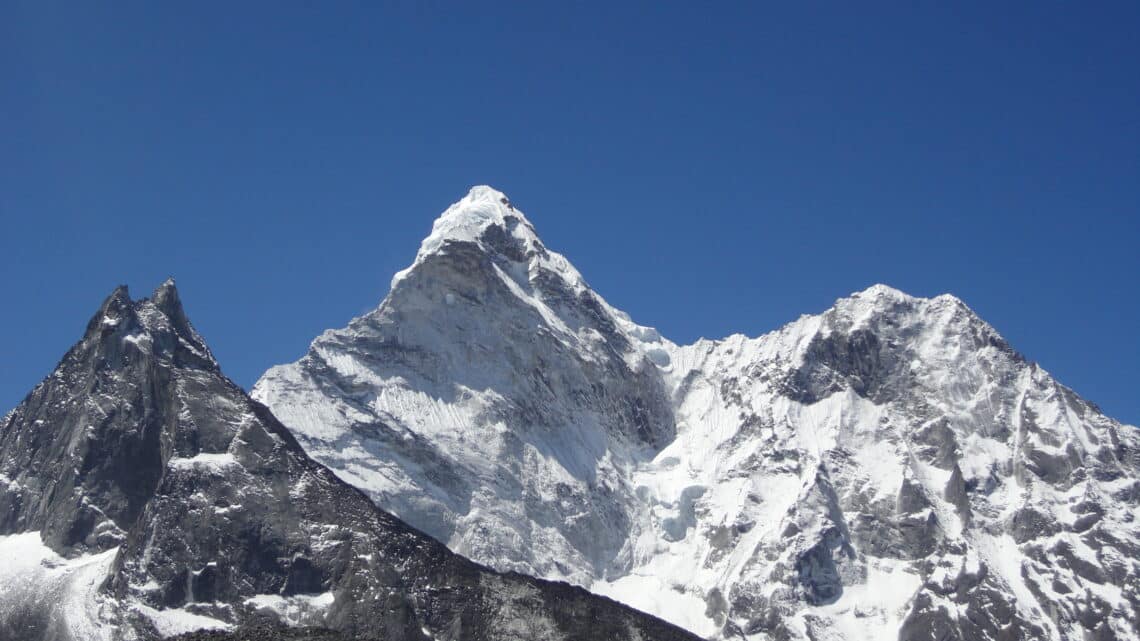
10 Unmissable Experiences on the EBC: Before diving into the most exciting experiences along the Everest Base Camp (EBC) trail, let’s take a moment to understand why this trek holds such an iconic status among adventurers worldwide.
If you’re someone who loves trekking and exploring remote corners of the planet, chances are the Everest Base Camp trek is already on your radar—or maybe even at the top of your bucket list. For many adventure seekers, EBC isn’t just a destination; it’s a lifelong dream, a challenge that symbolizes determination and endurance.
Standing tall at 5,364 meters (17,800 feet), Everest Base Camp attracts thousands of trekkers from across the globe every year. The journey typically takes about 12–14 days, covering rugged trails, suspension bridges, and picturesque villages dotted across the Khumbu region.
The peak trekking seasons—spring (March–May) and autumn (late September–November)—see this trail buzzing with life. These months offer clear skies, stunning views, and a safe trekking environment. But make no mistake: this is no casual stroll. It demands preparation, physical fitness, and mental resilience.
And after all that effort, you don’t want to miss the most thrilling and authentic experiences the trail has to offer. So, here’s our handpicked list of 10 must-do activities and sights that will make your Everest Base Camp trek truly unforgettable.
1. Explore Namche Bazaar – The Sherpa Capital as 1st out of 10 Unmissable Experiences on the EBC
Namche Bazaar is often your first major acclimatization stop, and it’s nothing short of fascinating. Perched at 3,440 meters (11,290 ft), Namche is the cultural and commercial hub of the Khumbu region. Known as the Gateway to Everest, this bustling mountain town is famous for its Sherpa culture, colorful markets, and warm hospitality.
What makes Namche so special?
- Sherpa Heritage: Namche is home to the legendary Sherpa community, famed for their mountaineering skills and rich traditions.
- Saturday Market: Every Saturday, the village center comes alive with a vibrant market where locals trade goods like fresh produce, clothes, and household essentials.
- Modern Comforts in the Wild: From German bakeries to cozy cafés and even an Irish pub (one of the world’s highest), Namche offers surprising comforts for trekkers.
For breathtaking views, hike uphill to the Everest View Hotel or visit the nearby Sagarmatha National Park Museum. On a clear day, you’ll spot Mt. Everest, Ama Dablam, and other iconic peaks from these vantage points.
2. Tie a Blessing Scarf on the Hillary Bridge
One of the most symbolic moments of your trek is crossing the Hillary Suspension Bridge, named after the legendary Sir Edmund Hillary. This bridge, adorned with colorful prayer flags and khatas (traditional silk scarves), is believed to bring good luck when trekkers tie a scarf on it.
Even if you’re not a spiritual person, participating in this tradition feels meaningful—a simple yet powerful gesture that connects you with the mountain culture. You can easily buy a blessing scarf in Kathmandu or Namche before reaching the bridge.
3. Dive into Sherpa Heritage at the Sherpa Culture Museum
For those curious about the life, history, and traditions of the Sherpa people, the Sherpa Culture Museum in Namche is a must-visit. Just a short uphill walk from the town center, this privately-run museum by local photographer Lhakpa Sonam is a treasure trove of cultural artifacts, traditional tools, and rare photographs.
Highlights include:
- A historic photo of Tenzing Norgay, the first man (alongside Edmund Hillary) to summit Everest.
- A panoramic gallery showcasing the Khumbu region and its dramatic landscapes.
It’s a perfect stop to understand the people who make life in the Himalayas possible—and who have helped climbers reach the world’s tallest peak for decades.
4. Visit Khumjung – The Hidden Village
On your acclimatization day in Namche, venture to Khumjung Village at 3,790 meters (12,430 ft). Often called the Hidden Valley, Khumjung offers an authentic taste of Himalayan life, far removed from the modern world.
Why visit Khumjung?
- Monastery with a Legend: Khumjung Monastery is famous for displaying what locals claim to be a yeti scalp.
- Local Schools & Culture: The village is also home to schools founded by Sir Edmund Hillary as part of his efforts to uplift the Sherpa community.
The 2–3 hour hike from Namche to Khumjung is not just scenic—it’s also a great way to acclimatize.
5. Experience Spiritual Calm at Tengboche Monastery
If there’s one place along the trail that radiates peace, it’s the Tengboche Monastery. Standing tall at 3,867 meters (12,687 ft), this sacred site is framed by jaw-dropping views of Everest, Lhotse, and Ama Dablam.
Why is Tengboche special?
- It’s one of the most important Buddhist monasteries in Nepal, attracting monks, trekkers, and climbers alike.
- The monastery hosts the Mani Rimdu Festival in October–November, featuring colorful mask dances and rituals.
Spend some time here to soak in the spiritual ambiance and the stunning backdrop of snow-capped peaks.
6. Unwind at Café Danphe – The Lively Spot in Namche
After days of trekking, you might crave a little social time, and Café Danphe Bar is the perfect place for it. Known as the liveliest nightspot in Namche, this cozy café-bar offers everything from pool tables to imported beverages.
Unique offerings:
- Movie Nights: Every evening, local bars—including Danphe—screen mountaineering documentaries like Into Thin Air and Sherpa.
- Free Popcorn & Fun Vibes: A great place to bond with fellow trekkers over stories and laughter.
7. Marvel at the Mani Walls in Dingboche
On your way to Dingboche, you’ll notice long rows of stone walls engraved with prayers—these are the iconic Mani Walls. Interestingly, they started as simple stone piles made by locals clearing fields, but over centuries, they’ve evolved into spiritual landmarks inscribed with Buddhist mantras like Om Mani Padme Hum.
Walking past these walls is both humbling and inspiring—a reminder of the deep connection between nature, culture, and spirituality in the Himalayas.
8. Hike to Kala Patthar – The Best Everest Viewpoint
Think you’ll see Everest from EBC? Not quite. The base camp offers dramatic glacier views but not the full summit. For that postcard-perfect Everest panorama, you’ll need to climb Kala Patthar (5,545 meters).
This steep yet rewarding climb from Gorakshep is the ultimate highlight for many trekkers. Aim for sunrise—you’ll witness Everest glowing golden with the first rays of the day, alongside views of Lhotse, Nuptse, and the Khumbu Glacier.
Pro Tip: Dress warmly; temperatures can be brutal at dawn.
9. Visit Syangboche Airstrip – A High-Altitude Relic
Just a short hike from Namche lies the Syangboche Airstrip, once the highest operational airstrip in Nepal at 3,780 meters (12,402 ft). While it’s no longer used for commercial flights, helicopters often land here for supplies and rescues.
This spot is worth a quick visit for its historical significance and sweeping views of the Khumbu Valley.
10. Build Stone Piles or Write Your Name on a Rock
A fun tradition among trekkers is to stack small stone cairns or inscribe names on rocks along the trail. It’s a symbolic way of saying, “I was here.” While this isn’t mandatory, it’s a lighthearted ritual that many adventurers enjoy.
Just remember: be responsible. Don’t disturb natural formations or local heritage sites.
Final Thoughts
The Everest Base Camp trek is not just a trail—it’s a journey through breathtaking landscapes, ancient culture, and personal endurance. While these 10 activities can make your adventure richer, the true essence of the trek lies in every step, every sunrise, and every shared smile along the way.
And one last thing: Leave No Trace. Respect the mountains, pack out your trash, and keep the Himalayas pristine for generations to come.
Adventure Aspirant Tip: Embrace the journey, not just the destination. Every moment on the EBC trail is a story waiting to be told.


