
EBC Trek for Beginners: Everest Base Camp (EBC) Trek is often described as one of the most iconic trekking journeys in the world. Nestled in the majestic Himalayas of Nepal, it’s a dream adventure for countless trekkers who want to stand in the shadows of the world’s highest mountain. But for beginners, the question often arises: Can I really do it?
The answer is yes—with the right preparation, guidance, and mindset, the trek to Everest Base Camp is achievable for first-timers. However, it does require careful planning, physical endurance, and mental resilience. The high altitude, long walking hours, and unpredictable weather can challenge anyone. But that’s also what makes this journey so meaningful—you not only walk through the dramatic landscapes of the Khumbu region, but you also discover strength and determination you never knew you had.
At Adventure Aspirant P. Ltd., we specialize in helping both beginners and seasoned trekkers navigate this journey safely and confidently. In this blog, we’ve compiled a comprehensive guide and 7 essential tips to help beginners prepare for Everest Base Camp in a smart, safe, and enjoyable way.
Why Everest Base Camp Trek is So Special as EBC Trek for Beginners
Unlike technical mountaineering, trekking to EBC doesn’t require ropes, ice axes, or climbing expertise. Instead, it’s a long, high-altitude hike that combines physical challenge with cultural immersion. You’ll walk alongside roaring rivers, pass suspension bridges draped in prayer flags, and witness towering peaks such as Ama Dablam, Lhotse, and of course, Everest itself.
But what makes this trek truly unique is the human connection. Along the trail, you’ll meet the Sherpa people, famed for their mountaineering skills and warm hospitality. Staying in teahouses, eating home-cooked meals, and learning about their traditions adds a cultural depth that goes beyond the adventure itself.
For beginners, it’s not just about reaching the base of Everest—it’s about embracing the entire experience, from the first steps in Lukla to the final viewpoint at Kala Patthar.
Tip 1: Select a Reliable Trekking Company
The first and perhaps most important decision you’ll make is choosing the right trekking partner. Trekking independently in the Everest region can be complicated and risky, especially for first-timers unfamiliar with the terrain, weather, or altitude challenges.
A licensed Nepali trekking company ensures you have:
- Experienced guides who understand the route and can monitor your health.
- Support staff and porters to reduce your carrying load.
- Safety measures in case of altitude sickness or emergencies.
- Logistical arrangements such as flights, permits, and accommodations.
When comparing agencies, look for transparency, client reviews, and proper government certification. International companies often charge more, but local agencies like Adventure Aspirant P. Ltd. provide better value, firsthand expertise, and a more authentic connection to the region.
Tip 2: Choose the Best Season for Trekking
The Everest region has four distinct trekking seasons, each with pros and cons:
- Spring (March–May): Warm temperatures, blooming rhododendrons, and clear skies make this the most popular time.
- Autumn (September–November): Another peak season with crisp air, excellent visibility, and pleasant weather.
- Winter (December–February): Bitterly cold with heavy snow, shorter days, and fewer trekkers—best suited for experienced hikers.
- Monsoon (June–August): Trails are muddy, leeches are common, and views are often obstructed by clouds. Frequent flight delays in Lukla also add to the challenge.
For beginners, spring and autumn are ideal, offering the best balance of safety, scenery, and comfort.
Tip 3: Pack the Right Trekking Gear
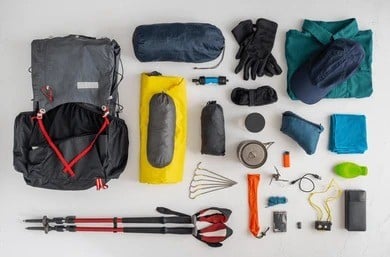
Your gear can make or break your trek. While you don’t need expensive, technical climbing equipment, you do need reliable clothing and accessories for varying conditions.
Clothing Essentials:
- Base layers: Thermal tops and bottoms for warmth.
- Mid-layers: Fleece jackets or sweaters.
- Outer layers: Waterproof and windproof jackets and pants.
- Down jacket: Essential for cold nights.
- Trekking pants & T-shirts: Lightweight, quick-drying fabrics.
Other Essentials:
- Comfortable trekking boots (broken in before the trip).
- Warm gloves, hats, and UV-protected sunglasses.
- A sleeping bag rated to at least -10°C.
- Water bottles or hydration bladders (with purification tablets).
- A 40–50L backpack for daily essentials, plus a duffle bag (carried by a porter).
The key is layering—so you can easily adjust to both hot daytime hikes and freezing nights in the mountains.
Tip 4: Trek Slowly and Stay Hydrated
One of the most common mistakes beginners make is rushing. At high altitudes, oxygen levels drop significantly, and your body needs time to adjust. By walking slowly, you not only conserve energy but also reduce the risk of Altitude Sickness (AMS).
Similarly, drinking plenty of water (3–4 liters per day) is vital. The dry air at altitude, combined with physical exertion, increases dehydration risk. Carry reusable bottles and refill at teahouses along the way, but always purify your water.
Golden rule: “Go slow, drink more, and listen to your body.”
Tip 5: Acclimatization is Essential
Acclimatization days are built into the standard EBC itinerary for good reason. For example, stops at Namche Bazaar (3,440m) and Dingboche (4,410m) are designed to let your body adapt to lower oxygen levels.
During acclimatization:
- Take short hikes to higher elevations, then return to sleep lower.
- Eat well and stay hydrated.
- Rest, but stay active enough to encourage circulation.
Remember, altitude sickness can affect anyone—regardless of age, gender, or fitness level. If symptoms such as dizziness, severe headache, or nausea persist, descending is the only safe option.
Tip 6: Carry Medicines and Toiletries
Treks at high altitudes often mean limited access to pharmacies or shops. Carrying a personal medical kit ensures you’re prepared for common issues.
Recommended medicines:
- Diamox (with medical consultation) for altitude sickness.
- Ibuprofen or paracetamol for pain relief.
- Antibiotics (prescribed by your doctor).
- Anti-diarrheal tablets and rehydration salts.
- Cold/flu tablets and antihistamines.
Toiletries to pack:
- Biodegradable soap and toothpaste.
- Sunscreen (SPF 30+ minimum).
- Lip balm with SPF.
- Wet wipes, sanitizer, and toilet paper.
- Moisturizer for dry mountain air.
Organize these in waterproof bags to avoid damage.
Tip 7: Be Cautious with Food and Drinks
Nutrition is fuel for your trek. The Everest trail is lined with teahouses serving a range of meals, but not everything is safe for beginners.
What to eat:
- “Dal Bhat” (rice, lentils, and vegetables) for sustained energy.
- Soups, noodles, rice dishes, and potatoes for carbs.
- Plenty of tea and hot drinks to stay warm and hydrated.
What to avoid:
- Meat (above Namche Bazaar) since it is often carried unrefrigerated for days.
- Alcohol and smoking, as both worsen dehydration and increase the risk of AMS.
- Heavy dairy or greasy foods that are hard to digest at altitude.
Save the celebratory drinks for when you return from the trek—many trekkers gather in Namche Bazaar or Kathmandu to toast their success!
Beyond the Trek: What Beginners Gain
For beginners, completing the Everest Base Camp trek isn’t just a travel accomplishment—it’s a life-changing milestone. You’ll experience:
- Personal growth: Pushing through physical and mental barriers.
- Cultural immersion: Connecting with Sherpa communities.
- Scenic wonder: Standing face-to-face with the highest peaks in the world.
- Lasting friendships: Sharing stories with fellow trekkers from across the globe.
The journey is tough, but the sense of achievement at reaching Everest Base Camp is unmatched.
Final Thoughts
The Everest Base Camp Trek is a bucket-list adventure that challenges and rewards you in equal measure. With the right preparation—choosing the right season, packing carefully, acclimatizing properly, and trekking with a professional company like Adventure Aspirant P. Ltd.—even beginners can conquer this trek safely and confidently.
If you’re ready to turn your Everest dream into reality, we’re here to guide you every step of the way.
📱 Cell/Viber/WhatsApp: +977 9767232220
📧 Email: info@adventureaspirant.com
🌐 Website: www.adventureaspirant.com


