For many adventure enthusiasts, reaching the base of the world’s highest peak, Mt. Everest, is a lifelong dream. The Everest Base Camp (EBC) trek offers a once-in-a-lifetime opportunity to walk in the footsteps of legendary mountaineers while experiencing the rich culture and traditions of the Himalayas. Although the trek presents challenges, particularly due to high altitude, it remains one of the most rewarding journeys, providing unparalleled mountain vistas and an unforgettable sense of adventure. Every year, thousands of trekkers embark on this iconic route, especially during the prime seasons of spring and autumn.
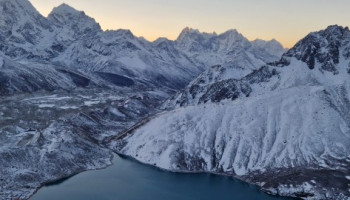
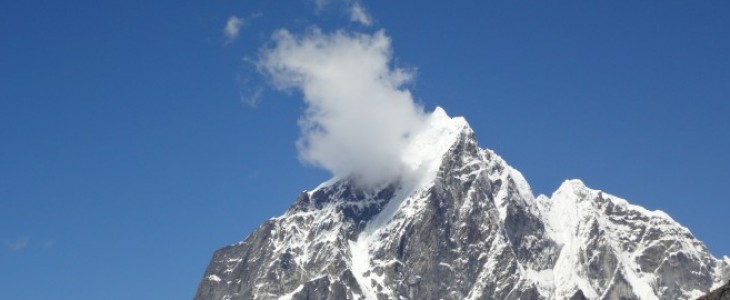
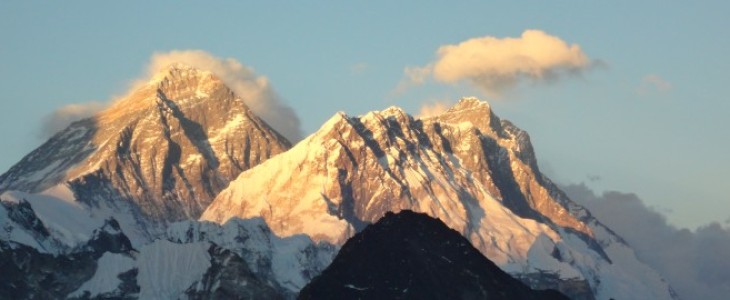
The adventure begins with a thrilling flight to Lukla, a gateway to the Everest region. This bustling town is filled with shops, teahouses, and trekking gear outlets, offering a blend of modern amenities and Himalayan charm. From here, the journey continues towards Namche Bazaar, a vibrant Sherpa hub where trekkers get their first glimpse of towering peaks like Pumori, Cholatse, Lhotse, Nuptse, and, of course, Everest itself. Along the way, one can witness breathtaking valleys draped in snow, with views extending to the Tibetan mountains in the northwest. Standing atop Kala Patthar, trekkers are rewarded with the most stunning panoramic view of Everest, an experience that feels like stepping into a different world, untouched by time.
The trail is enriched with encounters with diverse flora and fauna, friendly Sherpa communities, and ancient Buddhist monasteries. Trekkers pass through dense rhododendron forests, barley fields, and apple orchards, following the Dudh Koshi River towards Namche Bazaar. A crucial acclimatization day here allows for exploring the lively marketplace and surrounding Sherpa villages. The journey through Sagarmatha National Park is a delight for nature lovers, especially during spring when rhododendrons, magnolias, and junipers bloom in vibrant colors. The final ascent to Everest Base Camp and the sunrise view from Kala Patthar make this trek an awe-inspiring and unforgettable adventure.
Embark on the Everest Base Camp trek with Adventure Aspirant Trek and create memories that will last a lifetime!
Day 1 : Arrival in Kathmandu & transfer to Hotel (1,350m)
Upon your arrival at Tribhuvan International Airport in Kathmandu, you will be warmly greeted by a representative from Adventure Aspirant Pvt. Ltd., who will assist with your transfer to the hotel. Since this day is solely for your arrival, there won’t be any planned activities. You’ll have plenty of time to relax, rest, or take a leisurely walk around the vibrant streets of Kathmandu to soak in the local sights and culture. In the early evening, a pre-departure meeting will be arranged where you’ll meet your trekking guide and get briefed about the upcoming journey. This meeting will also be an opportunity for you to ask any questions or clarify details about the trek ahead. Overnight accommodation will be at the hotel in Kathmandu.
Day 2: Kathmandu Valley World Heritage Tour
After enjoying a delicious breakfast, we embark on a guided sightseeing tour to explore Kathmandu's rich history and religious heritage. Our journey will take us to several iconic World Heritage Sites, each with its own unique cultural significance. We’ll begin with the historic Durbar Square, where centuries of royal history and stunning architecture await. From there, we’ll visit the sacred Pashupatinath Temple, one of the holiest Hindu sites in Nepal. Next, we’ll head to the famous Swayambhunath, also known as the 'Monkey Temple,' offering stunning panoramic views of the valley. Our final stop will be the grand Boudhanath Stupa, one of the largest in the world and an important center of Tibetan Buddhism. After a day filled with fascinating discoveries, we’ll return to our hotel in Kathmandu for a peaceful overnight stay.
Day 3: Fly to Lukla (2,800m) and Trek to Phakding (2,610m)
Start the day early with a hearty breakfast before heading to the domestic airport to catch your flight to Lukla. The 35-minute scenic flight offers breathtaking views of the Himalayan ranges, setting the tone for the adventure ahead. Upon arrival in Lukla, enjoy a refreshing cup of tea at a local lodge. Afterward, we embark on the legendary "Everest Highway," which takes us through the serene alpine valley, following the "Dudh Kosi" (meaning "Milk River") – a river named for its milky appearance, caused by glacial silt. As we walk, we experience the stunning beauty of the region, passing through traditional Sherpa villages and lush landscapes. After about 3 hours of trekking, we arrive at the peaceful village of Phakding, where we will rest for the night at a local lodge, reflecting on the first leg of our journey. The trek today provides a gentle introduction to the adventure, with stunning views and a gradual descent, giving you the chance to acclimate to the altitude. Overnight at a lodge in Phakding.
Day 4: Phakding to Namche Bazaar (3,440m)
Today, our journey takes us uphill through beautiful alpine valleys. We will cross the Dudh Kosi River several times, soaking in the scenery as we ascend. The highlight of the day is reaching Namche Bazaar, often called the Sherpa capital of the Khumbu region. If the weather is clear, you'll be treated to panoramic views of iconic peaks like Everest, Lhotse, Thamserku, Kusum Kangru, Kwangde, and Taweche. This stunning landscape makes the effort of the uphill trek worthwhile. At the end of the day, we will rest and enjoy a peaceful night at a cozy lodge.
Day 5: Namche Bazaar Acclimatization Day and Hike to Hotel Everest View (3,880m)
Acclimatization is crucial before heading to higher altitudes, and this day in Namche Bazaar serves as your first acclimatization break. It's essential to allow your body to adjust to the thinning air. You’ll have the opportunity to explore the area and take a relaxing hike to Hotel Everest View, which offers spectacular views of Mount Everest and the surrounding peaks. Take it easy today and enjoy the beautiful scenery as you prepare for the next leg of your trek. Spend the night at a lodge to rest and recuperate for the journey ahead.
Day 6: Namche Bazaar to Deboche (3,820m)
The route follows a relatively level path along the valley, offering magnificent vistas of Everest, Nuptse, and Lhotse as they come into view. A sharp descent leads us through a forest toward the bridge over the Dudh Kosi. After crossing the river, we ascend a winding trail through a rhododendron woodland, where we might spot musk deer and vibrant peacocks. The climb becomes more challenging as we near Tyangboche, revealing spectacular panoramas of Everest, Nuptse, Ama Dablam, and Taboche. Tyangboche is renowned for its historic monastery, the largest in the Khumbu region. There will be time to explore both the monastery and the museum. Following the visit to Tyangboche monastery, we proceed with our trek to Debuche. Overnight at a lodge.
Day 7: Deboche to Dingboche (4,410m)
The trek from Deboche to Dingboche offers a peaceful yet scenic journey through shady forest trails, rich with birches, conifers, and vibrant rhododendrons. As you move along, the path hugs the ridge, gradually climbing up the true right side of the valley toward Dingboche, where stunning views of Ama Dablam—its iconic thumb-like peak—are a constant presence, offering both awe and inspiration. Dingboche serves as an excellent spot to rest and acclimatize, allowing your body to adjust to the higher altitude before pushing further into the Himalayan landscape. This is a crucial stop to ensure that you remain healthy and energized for the next stages of the trek. After a good day’s walk, you'll rest overnight at a lodge in Dingboche, soaking in the mountain surroundings and preparing for the next leg of your adventure.
Day 8: Explore Day at Dingboche (Hike Up to Nangkartshang Peak - 5,083m)
This is the second explore day of the trek. On this day, we begin with breakfast at the lodge and then start a day hike to Nangkartshang Peak (5,083m). The trail can be steep at times, but the hike is manageable, taking approximately 3-4 hours over a distance of about 3-4 miles. The route heads northwest, offering stunning views of the surrounding mountains, including the majestic Mt. Makalu (8,481m), along with many other peaks. After reaching the summit, we retrace our steps back to the lodge. Upon returning, you’ll have lunch at the lodge, and in the afternoon, you can visit a local bakery in Dingboche to relax and enjoy some treats. After a rewarding day, we'll spend the night at the lodge.
Day 9: Trek from Dingboche to Lobuche (4,910 m.)
The route starts with a slight climb towards the Chorten above Dingboche before steadily ascending through the northwest Khumbu Valley to reach Duglha. From Duglha, the path becomes sharply steeper, leading to a memorial for those who perished while attempting to summit Everest. After visiting the memorial, the trail gently descends and follows the western side of the valley, bringing you to Lobuche. You'll stay overnight in Lobuche, resting for the next leg of your journey.
Day 10: Lobuche to Everest Base Camp (5,364m) and back to Gorakshep (5,140m)
From Lobuche, we trek towards Gorakshep, following the path alongside the Khumbu Glacier. After exploring the area, we make our way to Everest Base Camp. Here, we can admire the breathtaking sights of the Khumbu Icefall and the trail leading to the South Col. Afterward, we retrace our steps and return to Gorakshep for an overnight stay at the lodge.
Day 11: Sunrise hike to Kalapatthar(5,545m.) and Trek back to Pheriche (4,371m.)
Early morning hike to Kalapatthar after enjoying the sunrise panoramic view, descend to Gorekshep for breakfast. After breakfast the beginning of your return journey as you trek down from Everest Base Camp to Pheriche. Starting from Gorakshep, the trail mostly descends, making the walk relatively easier compared to earlier days. If you feel fatigued along the way, you have the option to stop earlier for an overnight rest. However, if you’re feeling strong, you can continue all the way to Pheriche, which typically takes around 6 hours.
Day 12: Trek from Pheriche to Namche Bazaar (3,440m.)
On the second day of your return, you will continue descending toward Namche Bazaar. It might feel surprising how quickly you’re heading back, but it also means your time in the Everest region is coming to an end. Make the most of your stop in Namche by picking up souvenirs to remember your incredible journey.
Day 13: Trek to Lukla (2,800m.)
Today is your final trekking day. After roughly 7 hours of walking downhill from Namche Bazaar, you will arrive in Lukla. This will be your last night in the Everest region, marking the conclusion of your trekking adventure.
Day 14: Flight from Lukla to Kathmandu (1,350m.)
After breakfast, you’ll board a scenic flight back to Kathmandu. As you fly over the Himalayas one last time, you’ll bid farewell to the Everest region. Upon arrival, you’ll return to the same hotel where your journey began.
Day 15: Departure from Kathmandu
Your journey comes to an end today. A representative from Adventure Aspirant will escort you to Tribhuvan International Airport about three hours before your flight. As you leave Nepal, you’ll carry unforgettable memories of your adventure with you.
1- When is the Best Time to Trek to Everest Base Camp?
The ideal trekking seasons are mid-September to mid-December (autumn) and March to late May (spring). These months offer clear skies, stable weather, and excellent visibility.
However, the trek is possible year-round, including monsoon and winter, with the appropriate gear and support.
2- What Weather and Temperatures Can I Expect?
Spring (March–June):
• Daytime: Up to 25°C (77°F)
• Night: Down to –15°C (5°F) above 4,000m
Monsoon (July–early Sept):
• Daytime: Around 30°C (86°F) on clear days
• Night: Low of –5°C (23°F)
Autumn (mid-Sept–Nov):
• Day: Around 20°C (68°F)
• Night: As low as –15°C (5°F)
Winter (Dec–Feb):
• Daytime highs of 17°C (62.6°F)
• Nighttime lows of –20°C (–4°F) above 4,000m
3- Do I Need a Sleeping Bag?
Yes. A sleeping bag rated between -10°C to -20°C is essential depending on the season. You may request extra blankets at teahouses, and a liner is recommended for added warmth and hygiene. Liners can be purchased in Kathmandu or brought from home.
4- Do I Need Crampons?
No, crampons are not required for this trek. The trails are generally free from ice, even at higher elevations.
5- Can I Buy or Rent Gear in Kathmandu?
Yes. You’ll find a range of trekking shops in Kathmandu offering both international brands (e.g., The North Face, Marmot, Rab) and local alternatives.
• Sleeping bags and down jackets can be rented.
• Other essential gear is typically purchased.
6- Can I Finish the Trek Earlier Than the Itinerary?
While some trekkers prefer to move quickly, our itinerary is carefully designed for acclimatization and safety. Completing the trek early is not recommended due to the risk of altitude sickness.
7- How Long Do We Stay at Everest Base Camp?
Time at base camp depends on weather, timing, and health conditions. Typically, trekkers spend about 30 minutes, but this can be extended if conditions permit.
8- Can I Visit KalaPatthar for Sunset?
Yes, it is possible—but be prepared for freezing temperatures after dark. Most trekkers visit at sunrise for the best views and warmer conditions, but you may choose to do both.
9- Do You Carry Oxygen?
We do not carry oxygen cylinders as standard, but oxygen is available at lodges (extra cost). If needed, it can be arranged quickly by your guide.
10- What Happens If I Get Sick?
If you develop symptoms of altitude illness:
• You may rest for a day and monitor your condition.
• If symptoms persist, you will be escorted to lower altitude—on foot or horseback (rider fees apply).
• For serious cases, a helicopter evacuation will be coordinated.
11- Who Arranges Helicopter Evacuation?
Adventure Aspirant will coordinate with local helicopter operators, and we will also liaise with your insurance provider for the necessary documentation.
12- Can I Buy Travel Insurance in Nepal?
It is better to buy Travel Insuranc in your home country. Ensure it includes:
• Trip cancellation/interruption
• Emergency helicopter evacuation
• Medical coverage at high altitude
13- Is Tipping Required?
Tipping is voluntary but customary. At the end of the trek, trekkers usually offer tips to their guide, Sherpa, and porter as a token of appreciation.
14- Is There a Weight Limit on Lukla Flights?
Yes. The total weight allowance is 15kg (33 lbs):
• 10kg for your duffel bag
• 5kg for hand luggage
Excess weight is charged at USD 1.5 per kg.
15- What If My Lukla Flight Is Cancelled?
If your flight is cancelled:
• You can wait until the next day or
• Opt for a helicopter, which costs around USD 300–500, depending on availability and sharing options.
16- Why Are Flights Operated From Ramechhap in Peak Season?
During the main trekking seasons (March–May & Oct–Nov), all flights to Lukla operate from Ramechhap Airport due to air traffic congestion at Kathmandu. Kathmandu’s single runway cannot accommodate both domestic and international flights in the morning.
17- How Do I Get to Ramechhap?
We arrange shared tourist vehicles that depart around 2 AM from Kathmandu.
The drive takes 4–5 hours, and your flight to Lukla departs shortly after arrival.
18- Can I Have a Private Vehicle to Ramechhap?
Yes, a private transfer can be arranged for an additional cost. Please let us know in advance.
19- Who Picks Me Up at the Airport?
Your assigned guide will greet you at Tribhuvan International Airport holding a signboard with your name and Adventure Aspirant.
20- Will I Be Dropped Off After the Trek?
Yes. After your trek, we provide a private vehicle to drop you at the airport for your international flight.
21- Does the Guide Speak English?
Yes, our guides are fluent in English (Nepali standard). Some also speak Spanish and other languages upon request.
22- Are the Guides Certified?
Absolutely. Our guides are licensed by the Nepal Government, trained in first aid, high-altitude safety, and have in-depth regional knowledge.
23- Are the Staff Insured and Equipped?
Yes. All our trekking staff are insured annually and provided with adequate trekking gear for safety and comfort.
24- Who Carries My Bags During the Trek?
Your belongings will be carried by a porter (1 porter per 2 trekkers). You are responsible for carrying your daypack only.
25- How Much Weight Does a Porter Carry?
Each porter will carry up to 25kg total, i.e., 12.5kg per trekker.
26- Can I Hire a Personal Porter?
Yes, you can hire a dedicated porter for USD 25 per day.
27- Do You Provide a Duffel Bag?
Yes. A trekking duffel bag is provided for the trek. Your extra luggage can be stored safely in Kathmandu.
28- Can I Store My Suitcase During the Trek?
Yes, you may store your extra luggage either at our office or at the hotel, free of charge.
29- What Type of Lodges Are Used on the Trek?
We use mid-range teahouses:
• Private rooms with attached toilets for the first and last few nights
• Shared bathrooms at higher altitudes
Luxury lodges can be arranged at an additional cost.
30- Can I Sleep at Everest Base Camp?
No, overnight stays at EBC are not permitted unless you hold a climbing permit for Everest or Nuptse. Base Camp is a temporary site with tents for climbers only.
31- Can I Have a Single Room?
Yes, single occupancy rooms can be arranged throughout the trek for an extra cots.
32- Can I Take Hot Showers?
Yes, hot showers are available up to Dingboche. Beyond that, showers are limited, and we recommend avoiding them due to cold.
33- Do I Need to Bring a Towel and Toilet Paper?
Yes, please bring your own bath and face towels. Toilet paper is not provided and can be purchased along the route.
34- Do I Need to Bring Soap?
Yes, bring your own biodegradable soap and hand sanitizer for personal hygiene.
35- Are There Toilets Along the Trail?
There are toilets in villages and teahouses, but not along the trail. In emergencies, you may need to use a private outdoor spot.
36- What Food Options Are Available During the Trek?
Menus include:
• Dal Bhat (rice, lentils, vegetables)
• Noodles, pasta, bread, potatoes
• Soups, pancakes, porridge, pizza
We recommend avoiding meat, as it is not fresh at high altitudes.
37- Is the Food Hot and Fresh?
Yes, all meals are prepared fresh upon ordering. You can enjoy warm and nourishing food throughout your trek.
38- Is It Okay If I’m Vegetarian or Vegan?
Yes! Vegetarian meals are readily available.
For vegans or those with dietary restrictions, inform your guide in advance so they can notify the teahouses.
39- I Have Food Allergies—Can That Be Managed?
Absolutely. Please inform us of any allergies or dietary needs, and your guide will communicate this to all kitchens along the trail.
40- Can I Drink Spring Water Along the Trail?
No, untreated water is not safe to drink. Water must be boiled or purified.
41- Is Drinking Water Provided?
Yes. We offer treated water, and your guide will add purification tablets as needed.
42- Can I Buy Bottled Water or Boiled Water?
Yes, but both boiled and bottled water come at an extra charge, especially at higher altitudes.
The given cost are per person and exclude international flights. Given below are the departure dates available for online booking. If the given date is not favorable then please contact us and we will happily customize your trip on dates more appropriate for you.
Note: If your group size is of more than 1 pax then you can set your own departure date.
| Start Date | Trip Price | Discount | Discounted Price | Action |
|---|
USD1599pp
Duration : 15 Days
From USD 1649
Duration: 17 Days
View Details