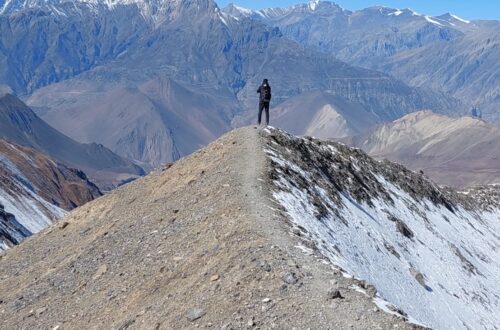

Annapurna Base Camp Elevation Explained; Discovering Annapurna Base Camp: Understanding the Altitude Before You Go
The journey to Annapurna Base Camp (ABC) is one of Nepal’s most rewarding trekking experiences. Surrounded by towering Himalayan giants, trekkers are treated to breathtaking mountain scenery and an unforgettable sense of achievement.
However, before setting off on this incredible adventure, many travelers ask an important question:
How high is Annapurna Base Camp, and how does the altitude affect trekkers?
Although ABC is lower than some of Nepal’s other famous trekking destinations, the elevation can still present significant physical challenges. Understanding how altitude impacts your body and learning proper acclimatization techniques can make the difference between an enjoyable trek and a difficult one.
This guide from Adventure Aspirant Pvt. Ltd. covers everything you need to know about Annapurna Base Camp’s altitude, potential risks, acclimatization strategies, and practical preparation tips.
Annapurna Base Camp Altitude: Key Facts
Exact Elevation of Annapurna Base Camp
Annapurna Base Camp sits at an elevation of: 4,130 meters (13,550 feet) above sea level.
For most trekkers following the standard route, this is the highest point reached during the trek and often the highest overnight stay as well.
At this elevation, the atmosphere contains significantly less oxygen than at sea level, making physical activity more demanding and increasing the importance of proper pacing and acclimatization.
How Does ABC Compare to Other Popular Himalayan Treks?
To put the altitude into perspective:
| Trek Destination | Elevation |
| Annapurna Base Camp | 4,130 m |
| Everest Base Camp | 5,364 m |
| Thorong La Pass (Annapurna Circuit) | 5,416 m |
Looking only at the numbers, Annapurna Base Camp appears considerably lower than Everest Base Camp and Thorong La Pass. This often leads trekkers to assume that altitude will not be a major concern.
However, altitude-related difficulties are not determined solely by the highest point reached. The speed at which you ascend plays a major role.
Why the Altitude at Annapurna Base Camp Can Feel Demanding
Rapid Elevation Gain
Unlike longer Himalayan treks that include several scheduled acclimatization days, the Annapurna Base Camp route gains elevation relatively quickly.
Within a few days, trekkers move from lush, subtropical valleys into high alpine terrain above 4,000 meters. Because of this rapid ascent, the body has less time to adapt to thinner air.
Reduced Oxygen Availability
At approximately 4,130 meters, oxygen levels are significantly lower than at sea level.
As a result, many trekkers notice:
• Faster breathing rates
• Reduced stamina
• Increased fatigue during climbs
• Slower recovery after physical activity
• Interrupted or lighter sleep patterns
Even experienced hikers and athletes can feel the effects.
Weather Adds Another Layer of Difficulty
Altitude challenges are often intensified by environmental conditions.
Near Annapurna Base Camp, temperatures can drop dramatically, especially during mornings and evenings. When combined with lower oxygen availability, cold weather can increase exhaustion and make physical activity feel more strenuous
Can You Experience Altitude Sickness on the ABC Trek?
Yes.
Although severe altitude illness is less common on the Annapurna Base Camp trek compared to higher Himalayan routes, Acute Mountain Sickness (AMS) can still affect trekkers.
Symptoms often begin appearing above 3,000 meters, particularly as hikers move through Deurali and toward Machapuchre Base Camp.
Common Signs of Acute Mountain Sickness
Watch for symptoms such as:
• Persistent headaches
• Loss of appetite
• Mild nausea
• Dizziness
• Unusual tiredness
• Difficulty sleeping
• General weakness
Many trekkers mistake these symptoms for normal trekking fatigue, but they should not be ignored.
How Common Is Altitude Sickness on the Annapurna Base Camp Trek?
Most trekkers complete the journey without serious health issues. Nevertheless, certain factors can increase the likelihood of developing AMS.
Factors That Raise the Risk
• Ascending too quickly
• Insufficient hydration
• Skipping rest periods
• Ignoring early symptoms
• Starting the trek already exhausted
• Poor nutrition during the trek
Fortunately, most altitude-related problems can be prevented through proper preparation and sensible trekking habits.
Effective Acclimatization Strategies for Annapurna Base Camp
Follow a Gradual Pace
Successful acclimatization begins with patience.
Important overnight stops such as:
• Chhomrong
• Bamboo
• Deurali
• Machapuchre Base Camp
allow your body to adjust progressively to increasing elevations.
Trek Slowly and Consistently
A practical rule is to maintain a pace that allows comfortable conversation while walking.
Helpful strategies include:
• Taking frequent short breaks
• Avoiding competition with faster trekkers
• Conserving energy for longer ascents
• Resting immediately if symptoms worsen
Remember, slow trekking is often the safest and most efficient approach at altitude.
Nutrition, Hydration, and Rest
Stay Well Hydrated
Aim to drink approximately 3–4 liters of water daily throughout the trek.
Proper hydration supports circulation, improves acclimatization, and helps reduce altitude-related symptoms.
Prioritize High-Energy Foods
Carbohydrate-rich meals provide the fuel needed for sustained trekking.
Popular local dishes such as dal bhat are excellent choices due to their nutritional value and energy content.
Expect Sleep Changes
Many trekkers notice lighter or interrupted sleep at higher elevations. This is a normal response to reduced oxygen levels and generally improves after descending.
Avoid Alcohol
Alcohol can contribute to dehydration and interfere with acclimatization. Limiting or avoiding it above 3,000 meters is highly recommended.
Is Annapurna Base Camp Suitable for First-Time Trekkers?
Absolutely.
The Annapurna Base Camp trek does not require technical climbing skills, mountaineering equipment, or prior expedition experience.
Success depends more on:
• Reasonable fitness
• Steady pacing
• Positive mindset
• Respect for altitude
• Good preparation
Every year, countless first-time trekkers successfully reach Annapurna Base Camp.
Guided Trek vs Independent Trekking
Hiring a licensed guide offers several advantages, especially for less experienced trekkers.
A professional guide can:
• Monitor altitude-related symptoms
• Recommend pace adjustments
• Manage logistics
• Provide local knowledge
• Make informed safety decisions
For beginners, guided trekking often adds an extra level of confidence and security.
Best Seasons for the Annapurna Base Camp Trek
Spring (March to May)
Spring offers:
• Comfortable temperatures
• Rhododendron blooms
• Excellent visibility
• Pleasant trekking conditions
Autumn (September to November)
Autumn is considered the most popular trekking season due to:
• Stable weather
• Crystal-clear mountain views
• Dry trails
• Ideal trekking temperatures
Both seasons provide favorable conditions for acclimatization and overall trekking comfort.
Challenges During Winter and Monsoon
Winter (December to February)
Winter trekking brings:
• Colder temperatures
• Snow-covered sections
• Increased energy expenditure
• Greater cold-related fatigue
Monsoon (June to August)
During monsoon season, trekkers may encounter:
• Slippery trails
• Reduced visibility
• Frequent rain
• More difficult trekking conditions
These factors can make altitude adaptation more challenging.
Expert Advice for Managing Altitude Successfully
To maximize safety and enjoyment during your trek:
• Walk slower than you think necessary
• Drink water consistently throughout the day
• Maintain regular food intake
• Monitor symptoms closely
• Communicate any discomfort early
• Descend immediately if symptoms worsen
The mountains will always be there, but your health must come first.
Final Thoughts on Annapurna Base Camp Elevation Explained
At 4,130 meters, Annapurna Base Camp sits firmly within the high-altitude environment. While it may not reach the elevations of Everest Base Camp or Thorong La Pass, the trek still demands proper preparation and respect for the mountain environment.
With sensible pacing, adequate hydration, proper acclimatization, and a positive attitude, the Annapurna Base Camp trek remains one of the most accessible and rewarding Himalayan adventures.
At Adventure Aspirant Pvt. Ltd., we encourage every trekker to prepare thoroughly, trek responsibly, and enjoy every moment of this extraordinary journey into the heart of the Annapurna Sanctuary.