
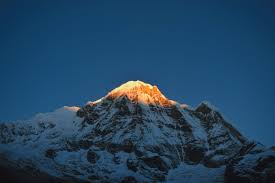
Best Time for ABC Trek; The Annapurna Base Camp (ABC) trek is one of Nepal’s most iconic journeys, offering a rich combination of dramatic landscapes, Himalayan panoramas, and authentic cultural experiences. Nestled in north-central Nepal, this trek takes adventurers into the heart of the Annapurna Massif. Despite being achievable in as few as 7 days or stretched over a relaxed 14-day itinerary, planning your trek around the optimal time of year is crucial to ensure the most rewarding experience.
This guide will help you understand the best time for Annapurna Base Camp trek and what each season brings in terms of weather, scenery, and challenges.
When is the Best Time to Trek to Annapurna Base Camp?
In general, Spring (March-May) and Autumn (September-November) are considered the best seasons for trekking to ABC. These periods offer the most stable weather, excellent visibility, and pleasant temperatures. Let’s break it down season by season.
Spring: A Symphony of Blooms and Clear Skies
Spring is often hailed as the prime season for the Annapurna Base Camp trek. Starting in March and extending through April into May, this season combines favorable weather, breathtaking views, and vibrant nature.
Why Trek in Spring?
During spring, the Himalayan trails are carpeted with rhododendron forests, wild orchids, and a variety of blooming flowers, transforming the landscape into a riot of colors. With clear skies and longer daylight hours, trekkers are treated to panoramic vistas of snowcapped peaks like Annapurna I (8,091m), Machhapuchhre (6,993m), and Hiunchuli (6,441m).
Advantages of trekking in spring:
- Mild temperatures: Days are comfortably warm at lower altitudes, while higher elevations remain cool but not unbearable.
- Exceptional visibility: Ideal for photographers and nature lovers.
- Blooming flora: Rhododendrons in full bloom create a surreal and colorful trekking environment.
Disadvantages of trekking in spring:
- Crowded trails: Spring is peak season, so expect more trekkers on the trail.
- Higher costs: Increased demand for food, lodging, and guides may drive prices up.
Autumn: Crystal-Clear Views and Festive Vibes
Autumn, running from September to November, is another fantastic time for the Annapurna Base Camp trek. Post-monsoon skies reveal the Himalayas in stunning clarity, and the weather tends to be stable.
Why Trek in Autumn?
After the summer rains, the air feels crisp and clean, with vibrant greenery covering the hillsides. Temperatures are moderate, making trekking comfortable during the day and refreshingly cool at night.
Autumn also coincides with Nepal’s biggest festivals like Dashain and Tihar, giving you an opportunity to experience local traditions and cultural celebrations along the route.
Advantages of trekking in autumn:
- Stable weather: Minimal chances of rain or snowfall.
- Clear mountain views: Perfect for uninterrupted Himalayan photography.
- Cultural encounters: Witness and participate in Nepali festivities.
Disadvantages of trekking in autumn:
- Busy lodges and teahouses: Higher footfall on the trail.
- Slightly higher prices: Due to increased demand.
Winter: A Peaceful Yet Challenging Adventure
For those seeking solitude and don’t mind the cold, winter (December-February) offers a unique experience on the Annapurna Base Camp trek.
Why Trek in Winter?
Snow-draped landscapes and tranquil trails define the winter trekking experience. The views, when the skies are clear, are exceptionally beautiful, and you’ll encounter fewer trekkers along the way.
Advantages of trekking in winter:
- Quiet trails: Enjoy the serenity of the Himalayas with minimal crowd.
- Snow-covered scenery: A dreamlike winter wonderland.
Disadvantages of trekking in winter:
- Freezing temperatures: Especially at higher elevations.
- Closed teahouses: Some lodges in remote areas shut down due to the harsh weather.
- Shorter days: Less daylight for walking.
If you’re prepared for sub-zero temperatures and carry proper gear (thermal layers, crampons, sleeping bags rated for extreme cold), winter trekking can be rewarding.
Monsoon: For the Adventurous and Flexible
Monsoon season (June to early September) is considered the off-season for trekking in Nepal. Heavy rainfall, muddy trails, and limited mountain views make this period challenging.
Why Trek in Monsoon?
While it’s not for everyone, monsoon trekking has its own unique appeal. The valleys and hills turn lush green, waterfalls surge, and the trails are almost empty.
Advantages of trekking in monsoon:
- Lush greenery: The landscape comes alive with vegetation.
- Less crowded: Quiet trails and lodges.
- Lower prices: Bargains on accommodations and services.
Disadvantages of trekking in monsoon:
- Slippery paths: Due to constant rain.
- Leeches and insects: Common at lower elevations.
- Landslide risks: Certain sections of the trail may be blocked.
Tips for Trekking During Off-Seasons (Monsoon & Winter)
If you choose to trek outside of the typical peak seasons, consider these tips:
- Pack wisely: Waterproof boots, rain gear, and insect repellent for monsoon; thermal layers, gloves, and crampons for winter.
- Plan a flexible itinerary: Weather delays are common.
- Select safer routes: Some trails may be prone to landslides or snow obstruction.
- Stay updated: Monitor weather forecasts and local advisories.
Best Routes for Annapurna Base Camp Trek
There are two popular itineraries to reach Annapurna Base Camp, depending on your time-frame and preference.
1. Rapid Annapurna Base Camp Trek in 7 Days (Pokhara-Pokhara)
This shorter route is ideal for trekkers with limited time. It starts from Jhinu Danda and follows a direct path to ABC.
Sample Itinerary:
Day 01: Pokhara to Siwai – Trek to Jhinu Danda (1,780 m)
Day 02: Trek from Jhinu Danda to Bamboo (2,310 m)
Day 03: Trek from Bamboo to Deurali (3,280 m)
Day 04: Trek to Annapurna Base Camp (4,130 m)
Day 05: Descend to Dovan (2,600 m)
Day 06: Trek from Dovan to Chhomrong (2,170 m)
Day 07: Trek to Siwai (1,250 m) – Drive to Pokhara
2. Annapurna Base Camp Trek in 13 Days (via Ghorepani & Poon Hill)
This longer route incorporates the famous Poon Hill sunrise viewpoint and offers deeper cultural immersion.
Sample Itinerary:
Day 01: Arrival in Kathmandu, transfer to hotel.
Day 02: Drive to Pokhara.
Day 03: Drive to Nayapul, trek to Tikhedhunga.
Day 04: Trek to Ghorepani.
Day 05: Early morning hike to Poon Hill, trek to Tadapani.
Day 06: Trek to Chhomrong.
Day 07: Trek to Himalaya Hotel Area
Day 08: Trek to Annapurna Base Camp via MBC
Day 09: Descent to Bamboo
Day 10: Trek to Jhinu Danda
Day 11: Trek to Nayapul & Return Drive to Pokhara
Day 12: Return Drive to Kathmandu
Day 13: Final Departure from Kathmandu
The longer route provides trekkers with more time to acclimatize and enjoy cultural encounters in Gurung villages, along with extra scenic highlights.
Conclusion: What is the Best Time for ABC Trek?
While Spring and Autumn remain the most popular and reliable seasons for trekking to Annapurna Base Camp, each season offers its own beauty and challenges. Spring entices with colorful blooms and warm weather, while Autumn delights with clear skies and cultural festivities. Winter and Monsoon are better suited for experienced and flexible trekkers seeking solitude and a different perspective of the Himalayas.
No matter when you choose to embark on this adventure, proper planning, preparation, and an open mind will make your Annapurna Base Camp trek an unforgettable experience.


