
Introduction
Annapurna Region Trek; Towering peaks, cascading waterfalls, ancient monasteries, and the ever-warm hospitality of mountain communities — the Annapurna region in Nepal is a trekker’s paradise. Whether you’re a seasoned hiker or taking your first step into high-altitude adventure, the Annapurna region offers an unforgettable Himalayan experience. This comprehensive guide from Adventure Aspirant will walk you through everything you need to plan your journey — from route selection and permits to cost, gear, and expert tips.
Annapurna Region Trek: What Makes the Annapurna Region Special?
The Annapurna region, located in north-central Nepal, is home to some of the most dramatic scenery on earth. The area includes over a dozen peaks over 7,000 meters, with Annapurna I (8,091 m) being the 10th highest mountain in the world. But beyond the sheer elevation, the region is renowned for its ethnic diversity, teahouse culture, and accessibility.
You’ll pass through lush rhododendron forests, cross roaring rivers, and witness the spiritual lives of the Gurung, Magar, and Thakali people. It’s not just a trek — it’s a cultural immersion wrapped in nature’s grandeur.
Popular Trekking Routes in the Annapurna Region
1. Annapurna Circuit Trek (15–20 Days)
- Start Point: Besisahar / Dharapani
- End Point: Jomsom / Pokhara
- Highest Point: Thorong La Pass (5,416 m)
- Highlights: Diverse landscapes, desert valleys, traditional villages, Thorong La crossing, Muktinath temple
2. Annapurna Base Camp (ABC) Trek (7–12 Days)
- Start/End: Nayapul or Jhinu Danda
- Highest Point: Annapurna Base Camp (4,130 m)
- Highlights: Close-up views of Annapurna I and Machapuchare, hot springs, dramatic glacial valleys
3. Ghorepani Poon Hill Trek (4–5 Days)
- Start/End: Nayapul
- Highest Point: Poon Hill (3,210 m)
- Highlights: Panoramic sunrise views, low-altitude ease, cultural villages, ideal for beginners
4. Mardi Himal Trek (5–7 Days)
- Start/End: Kande / Siding
- Highest Point: Mardi Himal Base Camp (4,500 m)
- Highlights: Quiet trails, ridge walks, epic views of Annapurna South and Machapuchare
Annapurna Region Trek; Best Time to do
- Spring (March–May): Rhododendron bloom, warmer temperatures, stable weather
- Autumn (September–November): Clear skies, great mountain visibility, peak trekking season
- Winter (December–February): Cold, fewer crowds, lower regions still accessible
- Monsoon (June–August): Heavy rain, leeches, slippery trails — not recommended
Permits & Regulations
You’ll need two main permits for trekking in the Annapurna region:
- TIMS (Trekkers’ Information Management System)
- Price: NPR 2,000 (about $15 USD)
- Where: Kathmandu or Pokhara
- ACAP (Annapurna Conservation Area Permit)
- Price: NPR 3,000 (about $22 USD)
- Where: Same as above
Carry multiple copies of your passport and passport-sized photos for the process.
Cost Breakdown
- Permits: ~$37 USD
- Daily Budget (Teahouse Trekking): $25–$40/day
- Guide: $25–$35/day
- Porter: $15–$25/day
- Transport (Kathmandu to Pokhara): $10–$30 by bus, $100+ by flight
- Gear Rental (if needed): $1–$5/day/item
Total for 10-day trek (average): $400–$800 depending on comfort level and choices
Packing List Essentials
- Trekking boots (broken in)
- Warm sleeping bag (-10°C recommended)
- Down jacket, fleece, base layers
- Trekking poles, headlamp, water purification tablets
- Sunscreen, sunglasses, hat
- First-aid kit, altitude medication
- Power bank & adapter (electricity is limited)
Hiring a Guide or Porter
Hiring a guide enhances safety and enriches your experience through cultural insights. Porters reduce your physical burden. Adventure Aspirant offers experienced, licensed local guides and porters who ensure your journey is safe, immersive, and memorable.
Accommodation & Food
The Annapurna region follows the “teahouse trekking” model. You’ll stay in cozy, family-run lodges offering basic rooms and local meals:
- Popular Meals: Dal Bhat (lentils & rice), momos, Tibetan bread, pasta
- Room Cost: $3–$8/night (with expectation to eat meals there)
- Food: $5–$10 per meal
Tip: Carry some snacks and cash. ATMs are nonexistent beyond Pokhara.
Getting to the Starting Point
Most treks start from Pokhara, Nepal’s second-largest city. You can:
- Fly from Kathmandu (25 mins)
- Take a tourist bus (6–8 hours)
- Hire a jeep for trailhead access (especially for Circuit or Mardi Himal)
Practical Trekking Tips
- Acclimatize properly: Don’t rush high passes
- Drink plenty of water: Stay hydrated
- Respect local customs: Greet with “Namaste,” ask before taking photos
- Leave no trace: Carry trash back, use refillable bottles
A Personal Moment on the Trail
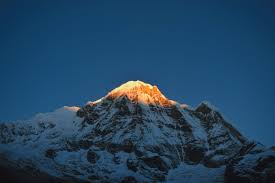
I still remember sipping hot lemon tea at Annapurna Base Camp, watching first light touch Machapuchare’s sharp summit. The wind was still. The sky turned orange. It wasn’t just about reaching — it was about arriving in a world where nature speaks louder than anything else.
Ready to Trek the Annapurna Region?
The Annapurna region offers something for every adventurer — from first-timers to seasoned trekkers. With detailed planning and support from a reliable partner like Adventure Aspirant, your Himalayan dream is within reach.
Start your journey today. Contact Adventure Aspirant to plan, customize, and book your trek with local expertise.
Adventure awaits. Annapurna is calling.