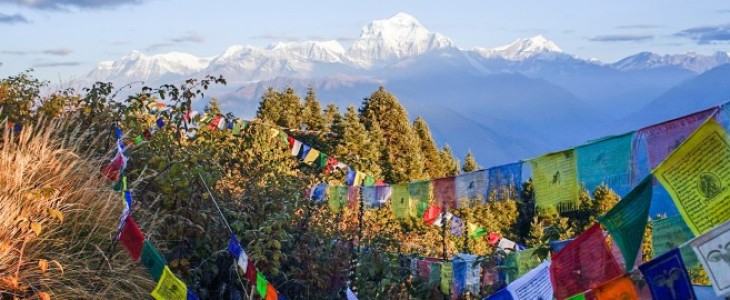
Annapurna Full Circuit Trek is one of the world’s most beautiful treks, offering varied landscapes, breathtaking mountain scenery, and rich indigenous cultures. In recent years, roads have been built along parts of the Circuit in the Marshyangdi Valley, but this trek follows the full traditional route, using alternative trails to avoid jeep tracks. Your journey begins from Kathmandu to Syange/Jagat via Beshisahar, moving through thick fir and rhododendron forests at lower elevations and gradually ascending into high-altitude terrain. Along the way, you’ll pass through vibrant villages inhabited by diverse ethnic communities, connect with local people, and enjoy magnificent views of Himalayan giants such as the Annapurnas and Manaslu.
At higher elevations, you’ll reach the remarkable village of Manang, home to the Manangi people who preserve a unique culture and lifestyle that feels like stepping into little Tibet. The trek’s dramatic highlight is crossing the Thorong La Pass (5,416m), a thrilling yet challenging section that can be risky between November and February due to sudden snowfall. After the pass, the trail descends into the subtropical Kali Gandaki Gorge—a historic pilgrimage and trade route traveled by the Thakali and Mustangi ethnic groups.
The Annapurna Full Circuit Trek is an unforgettable adventure—offering an inspiring blend of nature, culture, and high-altitude thrill. The trail showcases everything from subtropical woodlands and alpine meadows to arid mountain landscapes. Trekkers experience the traditions of Gurung, Thakali, and Manangi communities, and enjoy the majestic panoramas from some of Nepal’s most iconic vantage points.
This extended version of the classic circuit includes a visit to the sacred temple of Muktinath, followed by Tatopani and Ghorepani via the world's deepest gorge, Kali Gandaki. You’ll explore Gurung villages and stay in traditional tea houses, experiencing Nepalese hospitality at its finest.
Springtime brings a special treat—colorful rhododendron forests in full bloom from March to May, making the journey even more magical for nature lovers. The trek ends in the scenic lakeside city of Pokhara.
For all Adventure Aspirants ready to embrace the thrill of the Himalayas, the Annapurna Circuit Trek awaits. To plan your journey, contact us at info@adventureaspirant.com.
Day 1: Arrive in Kathmandu (1350m) and transfer to your hotel
Upon your arrival at Tribhuvan International Airport, a representative from Adventure Aspirant – Journeys Beyond the Horizon will greet you and escort you to your hotel. Today is a relaxed arrival day, giving you time to rest or explore the vibrant streets of Kathmandu. In the evening, you’ll attend a pre-departure briefing and meet your expert trekking guide. Overnight stay at a hotel in Kathmandu.
Day 2: Trek Briefing and Kathmandu Cultural Excursion
Following breakfast, embark on a guided cultural tour of Kathmandu’s most significant historical and spiritual landmarks. This immersive experience, arranged by Adventure Aspirant, includes visits to several UNESCO World Heritage Sites. Highlights include the ancient Kathmandu Durbar Square, the sacred Pashupatinath Temple—a revered site for Hindu pilgrims, the iconic Swayambhunath Stupa, affectionately known as the Monkey Temple, and the majestic Boudhanath Stupa, one of the largest and most impressive Buddhist stupas in the world. In the evening, you’ll have time to finalize your trekking gear and preparations. Overnight stay at a hotel in Kathmandu.
Day 3: Drive to Besisahar (760m), Continue to Bhulbhule and Trek to Ngadi (840m)
After an early breakfast at the hotel, you'll be transferred to the New Bus Park by private vehicle (car/jeep/van depending on group size). From there, you’ll begin a scenic journey toward Besisahar aboard a comfortable tourist bus, following the Prithvi Highway. The drive covers approximately 220 km and takes around 7 hours, with a stop along the way for lunch. Once past Dumre, the road narrows as it winds toward Besisahar. Upon arrival, a short 45-minute drive takes you further to Bhulbhule, the gateway to the Annapurna Circuit. Here, your trekking adventure officially begins. Crossing a suspension bridge over the Marsyangdi River, the trail gently ascends through picturesque terrain to reach Ngadi. This stretch is relatively short and easy, giving you time to settle into the rhythm of the trek. You’ll spend the night at a local teahouse in Ngadi, soaking in the serenity of the Himalayan foothills.
Day 4: Trek from Ngadi to Ghremu via Bahundanda
After breakfast, you begin your trek along a scenic and gradually ascending trail from Ngadi. The path meanders through lush landscapes, terraced fields, and traditional villages, offering a gentle climb toward the charming hilltop village of Bahundanda. This is an ideal spot to pause and enjoy lunch while taking in panoramic views of the surrounding valleys. After lunch, the trail descends steadily, leading you through beautiful countryside dotted with rice paddies and vibrant farmland. As you pass through peaceful rural settlements, you’ll experience the authentic lifestyle of the local people. By late afternoon, you’ll arrive in Ghremu, a quiet village nestled near the river, where you’ll spend the night in a cozy teahouse. It’s a perfect setting to relax and take in the tranquil rhythm of Himalayan village life.
Day 5: Trek from Ghremu to Taal (1,700m)
Today’s journey takes you to Taal, a picturesque village nestled along the banks of the Marsyangdi River. After breakfast, the trek begins with a short descent of about 20 minutes, followed by a relatively flat section that leads you to the charming village of Jagat. From Jagat, the trail gradually ascends to Chyamje, offering scenic views of the river gorge and surrounding cliffs. After a brief descent, you’ll cross a suspension bridge over the Marsyangdi River. Once across, the trail climbs steadily uphill. Following the trail—often marked by a line of electric poles—you’ll make your way through a beautiful stretch of terrain characterized by cascading waterfalls, dramatic rock formations, and dense forests. After 6 to 7 hours of trekking, you’ll reach Taal, a tranquil village where you’ll spend the night at a local teahouse, with the soothing sound of the river flowing nearby.
Day 6: Trek from Taal to Danaque (2,210m)
After enjoying breakfast in Taal, you begin your day’s trek toward the peaceful village of Danaque. The trail gradually ascends, passing through quaint rural settlements and serene woodlands filled with fir and oak trees. A steady uphill walk leads you to Bagarchhap, a charming village where you’ll stop for lunch and enjoy views of traditional stone houses and terraced hillsides. After a well-deserved break, the trail continues with a gentle climb for another couple of hours through lush forests and scattered hamlets before reaching Danaque, your overnight stop. Nestled amid the greenery, Danaque offers a quiet and cozy place to rest, surrounded by the natural beauty of the mid-Himalayan region.
Day 7: Trek to Chame (2,720m)
Today, your trek leads to Chame, the administrative center of the Manang district. This bustling village hosts key facilities such as the post office, police station, and other government offices, all conveniently located alongside local lodges. After breakfast, you begin your hike. There are two possible routes: the motorable road or the scenic horse trail. We follow the horse trail, which takes you through beautiful oak, chestnut, and pine forests up to the village of Timang. If the skies are clear, you’ll be treated to stunning views of Mount Manaslu (8,163m) while enjoying a refreshing cup of tea. Beyond Timang, the path becomes more challenging with a mix of ascending and descending sections, but overall the trail climbs steadily toward Chame, passing through the village of Koto along the way. You will spend the night in Chame, surrounded by spectacular Himalayan scenery.
Day 8: Trek to Pisang (3,060m)
Our journey today with Adventure Aspirant leads us to the picturesque village of Pisang. The day begins with a pleasant walk along a motorable trail, passing quaint settlements on the way to Bhratang — a charming village renowned for its lush apple orchards. Here, we take a refreshing break to explore the gardens and indulge in delightful apple-based treats like apple pie, apple tea, and fresh juice. Leaving Bhratang, the trail gradually ascends, crossing a small bridge and entering a dense pine forest. A steady uphill trek of about an hour and a half brings us to Dhuklur Pokhari, where we stop for a well-earned lunch surrounded by nature’s serenity. Post-lunch, the path eases as we make our way through peaceful woodland trails leading to Lower Pisang, our resting place for the night. Pisang is split into two sections: Lower and Upper. While we stay in Lower Pisang, those feeling adventurous can opt for an early evening hike to Upper Pisang to visit a traditional monastery and enjoy breathtaking panoramic views of the Annapurna range. Adventure Aspirants, get ready for a day that combines natural beauty, cultural charm, and the taste of Himalayan apples — a perfect mix for the spirit of exploration.
Day 9: Trek to Manang (3,440m)
Scenic Upper Route • Himalayan Vistas • Ancient Village Life; Today, Adventure Aspirants continue their ascent toward the captivating village of Manang, nestled deep within the Annapurna region. There are two trails leading to Manang — the Upper Route and the Lower Route — but we recommend taking the Upper Route for its exceptional views and enriching cultural experience. As we follow the upper trail through Ghyaru and Ngawal, we’re greeted with charming highland settlements and panoramic views that are truly unforgettable. Walking this path feels like trekking in line with the giants — the snow-capped Himalayan peaks stretch out before us in breathtaking symmetry. Our route leads us to Humde, a small village with a local airport that, while operational, sees no regular flights. From there, we make our way to Braga (Braka), a historically rich village where we stop for a relaxing lunch. Braga is known for its ancient monastery and traditional architecture, offering a beautiful glimpse into Himalayan heritage. After lunch, it’s a short and gentle walk — about half an hour — to reach our destination for the day: Manang. This well-loved village is a favorite among trekkers for its stunning mountain backdrop, cozy atmosphere, and vital acclimatization stop. Adventure Aspirants, prepare for a day of elevated perspectives — both literally and spiritually — as we draw closer to the heart of the Himalayas.
Day 10: Acclimatization in Manang
Glacial Lakes • Sacred Sites • Mountain Views • Wellness & Culture; Today is dedicated to acclimatization, an essential part of high-altitude trekking that helps our bodies adjust to the thinning air as we prepare for the higher passes ahead. But rest assured, this doesn’t mean a day without adventure. To make the most of the day, Adventure Aspirants are encouraged to choose from two remarkable side hikes. One option is a trek to the stunning Gangapurna Ice Lake, a shimmering glacial lake surrounded by panoramic views of the Annapurna mountain range. The vistas here are absolutely awe-inspiring — a perfect moment to soak in the majesty of the Himalayas. Another meaningful destination is the site of the legendary “100 Rupees Baba” — a spiritual hermit who once offered blessings to trekkers preparing for the Thorong-La Pass. Although the Baba is no longer there, the place remains a peaceful, sacred spot cherished by many. After returning to Manang, your afternoon is open to light activity. You might choose to watch a movie at one of the local cafes or attend a high-altitude safety talk offered by the Himalayan Rescue Association, which provides valuable insights for the journey ahead. As the sun sets, we take a leisurely walk around the traditional village, absorbing its rich culture, stone houses, and serene alpine atmosphere before settling in for the night. This day of mindful exploration offers both recovery and reflection — vital components of the Adventure Aspirant experience.
Day 11: Trek to Ledar (4,230m)
Alpine Meadows • Yak Herding Trails • Rising to the Highlands; Today, Adventure Aspirants continue their ascent into the high alpine zone as we make our way toward Ledar, gradually gaining altitude in preparation for the Thorong-La Pass. After a hearty breakfast in Manang, we begin the day by crossing a small glacial stream, then climb steadily to the traditional village of Tanki, perched just above Manang. From there, the trail continues its gentle ascent along the Jarsang Khola — a rugged river valley that offers scenic beauty and a refreshing sense of remoteness. As we gain elevation, the landscape opens into high meadows where yaks and horses graze peacefully in their natural habitat. The sense of tranquility here is unmatched — a perfect blend of nature and tradition. After about half an hour, we reach Yak Kharka, a popular resting point surrounded by alpine pastures. We take a brief pause here before continuing on a gradual one-hour climb to reach Ledar (4,230m), our destination for the night. With thinner air and sweeping mountain views, this stage of the trek reminds us how close we are to the roof of the world. Rest, acclimate, and enjoy the stark beauty of the Himalayas as we settle in for the evening.
Day 12: Trek to Thorong Phedi (4,450m)
Cliffside Trails • Acclimatization Option • Gateway to the Pass; Today, Adventure Aspirants head toward Thorong Phedi, a small yet bustling settlement that serves as the base camp for the legendary Thorong-La Pass. Our journey begins with a steady climb along dramatic cliffside trails, offering rugged scenery and glimpses of the formidable terrain ahead. The ascent continues gradually until we reach Thorong Phedi, nestled at the foot of the pass and surrounded by steep rock faces and glacial slopes. Though modest in size, this alpine outpost is often full of fellow trekkers preparing for the big crossing. Once at Thorong Phedi, if you're feeling well-acclimatized and strong, you may opt for a short acclimatization hike up to High Camp — a higher viewpoint that offers spectacular views and an opportunity to further adjust to the altitude. After exploring, we return to Thorong Phedi for a restful night. This is a crucial point in the journey, where we prepare both mentally and physically for the most iconic and challenging section of the Annapurna Circuit.
Day 13: Cross Thorong-La Pass (5,416m) and Trek to Muktinath (3,760m)
The Pinnacle of the Annapurna Circuit • Sacred Landscapes • Spiritual Encounters; Today marks a monumental milestone for all Adventure Aspirants — the crossing of the legendary Thorong-La Pass, one of the highest and most celebrated trekking passes in the world. This is the ultimate highlight of the Annapurna Circuit, and although the trail is long and demanding, the reward is truly unforgettable. Depending on the season and weather conditions, we begin our ascent early in the morning, often before sunrise. The day starts with a steep one-hour climb to High Camp, followed by a gradual yet challenging 2–2.5 hour push to reach the summit of Thorong-La Pass (5,416m). The journey to the top is demanding — each step at high altitude tests our determination — but every moment is equally exhilarating and awe-inspiring. Standing at the top, trekkers are greeted with a magnificent 360° panorama of snow-draped peaks stretching endlessly, even into the Tibetan plateau. It's a place of both natural wonder and spiritual triumph. After taking time to savor the views and celebrate the achievement, we begin our descent to Muktinath, a sacred site revered by both Hindus and Buddhists. This holy village is known for its temple complex, featuring 108 sacred water spouts believed to wash away past sins and purify the soul. Muktinath stands as a symbol of Nepal’s deep-rooted religious harmony, where spirituality flows through both the people and the land. We spend the night in Muktinath, surrounded by ancient culture, serene mountain views, and a profound sense of accomplishment.
Day 14: Trek to Marpha (3,500m)
Sacred Villages • Apple Orchards • Cultural Richness in the Kali Gandaki Valley; Today, Adventure Aspirants descend into the iconic Kali Gandaki Valley as we make our way to the charming village of Marpha, known as the "Apple Capital" of the Himalayas. Our journey begins from Muktinath, following the river valley downwards. After about an hour of scenic descent, we arrive at Kagbeni — a fascinating village with deep spiritual roots and sacred significance for Hindus. Its timeless atmosphere and ancient architecture make it a special place to pause and reflect. From Kagbeni, we continue our trek through the small hamlet of Eklebhatti, making our way to the breezy town of Jomsom. Often called the “Windy Valley”, Jomsom is a popular trekking hub where we’ll stop for a well-deserved lunch before continuing to our final destination for the day — Marpha. Marpha is a beautifully preserved village, renowned not only for its stone-paved alleys and whitewashed houses, but also for its exceptional apple orchards. Be sure to sample the locally produced Marpha Apple Brandy, a unique Himalayan specialty. Another highlight here is the Marpha Horticultural Research Station, established in 1966 to promote the cultivation of new crops in the region — a fascinating stop for those interested in local agriculture and sustainability. We spend the night in this peaceful and culturally rich village, surrounded by towering prayer stones, fluttering flags, and the welcoming warmth of the local community.
Day 15: Trek to Ghasa (2,010m)
River Valley Descent • Himalayan Vistas • Alpine Villages; Today, Adventure Aspirants begin a scenic descent along the Kali Gandaki River, making our way to the charming lowland village of Ghasa. After breakfast, we set out on a mostly downhill trail that meanders through lush terrain and traditional settlements. The journey offers stunning views of the Annapurna and Dhaulagiri ranges, with occasional glimpses of waterfalls, pine forests, and open meadows. Along the way, we pass through the peaceful villages of Lete and Kalopani — both known for their serene environment and picturesque landscapes. We pause for lunch at Kalopani, a perfect spot to relax and soak in panoramic mountain views. After lunch, we continue descending gradually toward Ghasa, a quiet village nestled in the lower reaches of the Kali Gandaki Valley. Known for its subtropical climate and mix of Tibetan and Thakali cultures, Ghasa offers a refreshing change in scenery and altitude. We settle in here for the night, surrounded by green hills, flowing rivers, and the comforting hospitality of the locals.
Day 16: Trek to Tatopani (1,190m)
Waterfalls • Natural Hot Springs • Deepest Gorge on Earth; Today, Adventure Aspirants descend further into the lush lowlands as we head toward Tatopani, a beloved village renowned for its natural hot springs — the perfect place to unwind after days on the trail. After enjoying a warm breakfast in Ghasa, we set off on a relatively short and gentle hike, following a scenic trail through vibrant greenery and riverbanks. Along the way, we are treated to the sight of Rupse Jharana, one of the region’s most beautiful waterfalls, cascading powerfully beside the trail. We also pass by Kochepani, a dramatic point along the trail known as part of the world’s deepest gorge, carved by the mighty Kali Gandaki River between the Dhaulagiri and Annapurna massifs. By midday, we arrive at Tatopani — which translates to “Hot Water” in Nepali — aptly named for its geothermal hot springs. After checking into our lodge and having lunch, we head to the hot spring pools for a soothing soak, an ideal way to relax sore muscles and rejuvenate the spirit after the challenging days of high-altitude trekking. As the sun sets over the valley, we return to our cozy lodge for a delicious dinner and a restful overnight stay.
Day 17: Trek to Ghorepani (3,194m)
Challenging Ascent • Traditional Villages • Mountain Vistas; After breakfast, Adventure Aspirants embark on a lengthy and demanding uphill trek to the scenic village of Ghorepani. Today’s trail is predominantly an ascent, requiring steady effort as we climb through lush forests and terraced landscapes. Along the way, we pass through several sizable mountain settlements, including Shikha and Ghara, where we stop to enjoy a nourishing lunch and soak in the local culture. The path continues its steady climb, weaving through beautiful alpine scenery and traditional villages, offering stunning views of the surrounding peaks. Eventually, our hard work is rewarded when we reach Ghorepani, perched at over 3,000 meters, where we settle in for a well-deserved overnight stay.
Day 18: Sunrise Hike to Poon Hill and Transfer to Pokhara (1,890m)
Breathtaking Sunrise • Panoramic Mountain Views • Scenic Descent; Today promises a truly memorable experience as Adventure Aspirants rise early for a pre-dawn hike to the renowned Poon Hill viewpoint — without breakfast, to catch the stunning sunrise over the Himalayas. The climb to Poon Hill is a rewarding journey, offering spectacular panoramic views of the Annapurna and Dhaulagiri mountain ranges bathed in the golden light of dawn. It’s a serene and magical moment, perfect for reflection and photos. After soaking in the breathtaking vistas, we descend back to the lodge where a delicious breakfast awaits, replenishing your energy for the day ahead. Following breakfast, we begin our trek downhill toward Nayapul. The trail is mostly a steady descent through forests and rural villages, making for a long but manageable day on foot. Upon reaching Nayapul, our private vehicle will be ready to transport you to Pokhara, where you’ll check into a comfortable hotel in the lively Lakeside area — the perfect place to relax and celebrate the completion of your trek.
Day 19: Journey Back to Kathmandu (1,300m)
Scenic Drive • Comfortable Transfer • Farewell Celebration; After enjoying breakfast, Adventure Aspirants embark on a scenic drive from Pokhara to Kathmandu aboard a tourist-standard bus. We retrace the same beautiful route taken earlier in the trip, soaking in the landscapes one last time. Upon arrival in Kathmandu, you’ll be transferred directly to your hotel for some well-earned rest. In the evening, we gather for a special farewell dinner organized by Adventure Aspirant, where you can share memories from the trek and provide valuable feedback to your guide and team. It’s a perfect way to celebrate the journey and the friendships forged along the way.
Day 20: Departure Day
Farewell • Airport Transfer • Optional Extensions; Today marks the final day of your journey with Adventure Aspirant. If your flight is scheduled for early morning, we will provide timely transportation to the international airport to ensure you catch your flight home without any hassle. For those with later departures, you have the option to spend some leisure time exploring local markets for souvenirs or simply relaxing at your hotel. If you plan to extend your stay in Nepal, we’re happy to assist in arranging additional adventures and comfortable accommodations to keep your exploration going. At the appropriate time, we’ll transfer you to the airport for your final departure, wishing you safe travels and fond memories of your Nepalese adventure.
Meals and Accommodation on Annapurna Circuit Trek
Along the Annapurna Circuit, trekkers can enjoy a wide selection of meals. Traditional Nepali dishes like daal bhat (lentils with rice), thukpa (hearty noodle soup), momos (dumplings), and different types of curries are commonly available in teahouses along the route. In addition, you’ll come across light snacks such as chips, chocolates, biscuits, and energy bars. For those wanting more familiar options, many teahouses also serve Western-style foods like pizza, pasta, sandwiches, and burgers. Some places even offer a bit of international cuisine depending on their menu.
The package includes full board meals throughout the trek—breakfast, lunch, and dinner—along with tea or coffee served at each meal.
Accommodation on the Annapurna Circuit varies depending on the location and season. Trekkers typically stay in teahouses, lodges, or guesthouses that provide essential facilities such as meals, a place to sleep, and sometimes hot showers. Prices for lodging are generally more affordable at lower elevations and tend to increase as you move higher into the mountains.
The 20-day itinerary covers a 2-night stay in Kathmandu and a 1-night stay in Pokhara, both on a twin-sharing basis with breakfast included. During the trek itself, there are 16 nights of accommodation in standard teahouse rooms.
Best Time to Visit Annapurna Circuit Trek
The ideal seasons for trekking the Annapurna Circuit are spring and autumn. The most favorable months are from March to May and from September to November. During these periods, the weather is generally stable, with clear skies, pleasant temperatures, and excellent mountain views.
It’s best to avoid the monsoon months (June to August), as heavy rainfall can make the trails slippery, muddy, and potentially unsafe. Winter (December to February) is also less suitable for most trekkers because snowfall can block high passes, and trekking in such conditions requires proper gear and prior experience.
Major Highlights of the Annapurna Circuit Trek
The Annapurna Circuit is renowned for its incredible mix of landscapes, culture, and adventure. Here are some of its key highlights:
Manang Valley
This scenic valley lies in the upper part of the circuit and is surrounded by towering Himalayan peaks. It offers a fascinating cultural blend influenced by Tibetan traditions. Visitors can wander through traditional villages, explore monasteries, and take in the dramatic alpine scenery.
Thorong La Pass (5,416m)
As the highest point of the trek, Thorong La Pass is both demanding and rewarding. Reaching the top provides sweeping views of peaks like Annapurna and Dhaulagiri. Crossing this pass is often considered a major milestone for trekkers.
Muktinath Temple
A sacred destination for both Hindus and Buddhists, Muktinath is known for its temple dedicated to Lord Vishnu and its 108 water spouts. The site holds deep spiritual significance and is set against a peaceful mountain backdrop.
Marpha Village
Marpha is a picturesque settlement famous for its apple orchards and locally made apple brandy. With its stone-paved lanes and whitewashed houses, the village offers a calm and authentic cultural experience.
Tatopani Hot Springs
Tatopani provides a perfect place to unwind after days of trekking. The natural hot springs are known for their relaxing and therapeutic qualities, helping to ease sore muscles.
Poon Hill (3,210m)
A short hike from Ghorepani leads to this famous viewpoint. Poon Hill is especially popular for its sunrise views, where the Annapurna and Dhaulagiri ranges glow in golden light.
Ghandruk Village
This traditional Gurung village is known for its cultural richness, stone houses, and terraced farmland. It’s an excellent place to experience local hospitality while enjoying stunning mountain scenery.
History of the Annapurna Circuit Trek
The Annapurna Circuit Trek has undergone significant changes since it first opened to international trekkers in 1977. Before that time, the region remained largely isolated. Its accessibility improved after tensions involving CIA-supported Khampa fighters, local communities, and the Nepalese army were resolved, allowing trekking tourism to develop.
In its early days, the journey typically started from Dhumre along the Kathmandu–Pokhara highway and ended in Pokhara, taking around three weeks to complete. Back then, the route passed through remote villages and untouched landscapes with minimal infrastructure.
During the 1980s, road construction gradually began to reshape the region. Roads extended north from Dhumre and westward from Pokhara into the Kali Gandaki valley. Over time, these developments reached as far as Manang via the Marsyangdi Valley and Muktinath Temple on the opposite side. Today, only certain stretches—such as the crossing of Thorong La Pass and the trail over Poon Hill—remain free from motor roads, each requiring a few days of trekking.
The introduction of roads has made travel easier and contributed to the rise of activities like mountain biking in the area. However, it has also changed the traditional look and feel of many villages. In response, alternative trekking paths have been developed to avoid road sections and preserve a more authentic trekking experience.
Despite these developments, traffic along the roads is still relatively light, allowing cyclists and trekkers to enjoy scenic routes. One popular biking stretch descends from Muktinath to Tatopani, dropping nearly 3,000 meters over a couple of days on a mix of dirt tracks and trails.
Overall, the Annapurna region has transformed from a remote and rugged trekking destination into a more accessible yet still captivating adventure area. Efforts continue to balance modernization with the preservation of its natural landscapes and cultural heritage.
Fitness & Health Preparation for the Trek
Recommended Fitness Level
The Annapurna Circuit Trek is a demanding journey that involves varied terrain, high altitudes, and several hours of walking each day. To comfortably complete and enjoy the trek, it’s important to be in solid physical shape.
Trekkers should aim for a moderate fitness level, with good cardiovascular capacity, strong legs, and sustained endurance to handle long trekking days.
Pre-Trek Training Suggestions
To get your body ready for the challenges of the trek, consider adding these exercises to your preparation routine:
Cardio Training: Activities like jogging, cycling, or fast-paced walking help improve heart and lung performance.
Strength Workouts: Exercises such as squats and lunges are useful for building leg power needed on steep trails.
Endurance Practice: Go for longer hikes or walks, slowly increasing distance and elevation to mirror trekking conditions.
Core Conditioning: Movements like planks and rotational exercises strengthen your core, which helps with balance on uneven paths.
Stair Climbing: Climbing stairs is a great way to simulate uphill trekking and build stamina.
Training Advice
Begin in Advance: Start your preparation at least 2–3 months before your trek.
Stay Consistent: Regular exercise is more beneficial than occasional intense sessions.
Increase Gradually: Build up your strength and endurance step by step to reduce the risk of injury.
Adapt to Altitude: If possible, train at higher elevations or use altitude simulation techniques to help your body adjust.
Seek Expert Guidance: If you have any medical conditions or concerns, it’s wise to consult a fitness trainer or healthcare professional for a personalized plan.
If you’re planning to book a trekking package and are unsure about what to bring, the following packing guide can help you prepare. You can adjust this checklist based on your personal needs and preferences. If you’re unable to find certain gear in your home country or are short on time before arriving in Kathmandu, most trekking equipment is easily available for purchase there.
During the trek, porters will carry the bulk of your things. Typically, one porter is shared between two trekkers and can carry up to 25 kg in total, so packing light and efficiently is important.
For domestic flights within Nepal, there is usually a baggage limit of 15 kg per person. Items not required during the trek can be safely stored at your hotel in Kathmandu at no additional cost.
Essential Packing Checklist
Head
Neck gaiter or buff
Sun hat or scarf
Warm hat or light balaclava
UV-protection sunglasses
Headlamp or torch
Upper Body
Lightweight T-shirts or thermal tops
Fleece or insulating jacket
Waterproof and wind-resistant outer jacket
Down jacket (bringing your own is recommended, though one may be provided for use during the trek)
Lower Body
Comfortable trekking pants
Waterproof over-trousers
Thermal base layers
Footwear
Liner socks (thin)
Warm wool hiking socks
Durable and well-fitted trekking boots
Casual shoes or sandals for evenings
Hands
Insulated, waterproof gloves (such as Gore-Tex)
Accessories
Sleeping bag rated to around -20°C (personal one preferred, though rental options are often available)
Duffel or trekking bag (a separate bag is useful for items left at the hotel)
Waterproof covers or plastic bags to keep gear dry
Trekking poles (optional but helpful)
Water bottle or hydration system
Basic toiletries
Quick-dry towel
Small repair or sewing kit
Sunscreen, lip balm, and insect repellent
Personal first-aid kit (including pain relief, bandages, antihistamines, and medication for stomach issues)
Electrolyte or rehydration powders
Personal prescription medicines
Wet wipes
A book, journal, or other light entertainment
1- How long does it take to complete the Annapurna Circuit?
The Annapurna Circuit Trek is a long-distance journey that usually takes around 14 to 20 days to finish safely. The duration can vary depending on your pace, acclimatization needs, and overall fitness. It’s important to allow time for altitude adjustment and to stay flexible with your schedule. In some sections, road access and transport options may shorten or modify the trekking time.
2- How difficult is the trek (0–10 scale)?
The difficulty level differs from person to person, depending on fitness, prior trekking experience, and how well one adapts to altitude. On a general scale, the Annapurna Circuit is typically rated around 6 to 7 out of 10, making it moderately challenging.
3- Is it suitable for beginners?
Although the trek includes demanding sections—especially crossing Thorong La Pass—it can still be completed by beginners who prepare well. With proper training, a steady pace, and good acclimatization, first-time trekkers can successfully undertake this journey.
4- Is the trek worth it?
Absolutely. The Annapurna Circuit is considered one of the world’s classic trekking routes, offering a remarkable mix of landscapes, cultures, and mountain views. Many trekkers regard it as a once-in-a-lifetime experience.
5- Can you do it without training?
While some people attempt the trek without much preparation, it’s strongly advised to build a basic level of fitness beforehand. Training improves endurance, reduces fatigue, and makes the overall experience more enjoyable and safer.
6- What is the age limit?
There is no fixed age restriction for this trek. People from different age groups have completed it successfully. However, participants should be physically fit and in good health, as the trek involves high altitude, long walking days, and varying terrain.
7- Why book the Annapurna Circuit Trek with Adventure Aspirant Pvt Ltd.?
Choosing a reliable trekking operator can make a big difference in your overall experience. Key benefits include:
In-depth local knowledge of the Annapurna region
Strong focus on safety and emergency preparedness
Flexible itineraries tailored to your needs
Comfortable accommodation and well-balanced meals
Assistance with permits and logistical arrangements
Skilled and experienced trekking guides
Opportunities to experience local culture
Environmentally responsible trekking practices
Emergency support when needed
A smoother, more organized, and stress-free journey
The given cost are per person and exclude international flights. Given below are the departure dates available for online booking. If the given date is not favorable then please contact us and we will happily customize your trip on dates more appropriate for you.
Note: If your group size is of more than 1 pax then you can set your own departure date.
| Start Date | Trip Price | Discount | Discounted Price | Action |
|---|
USD1397pp
Duration : 20 Days
From USD 1649
Duration: 17 Days
View Details