
Annapurna Mtn Located!, Annapurna Mountain lies in north-central Nepal, bordered by the Kali Gandaki Gorge to the west, the Marsyangdi River to the north and east, and the city of Pokhara to the south.
The Annapurna massif comprises one towering peak above 8,000 meters, thirteen majestic summits exceeding 7,000 meters, and more than sixteen peaks rising above 6,000 meters.
As per legend, Mount Annapurna is named after the Hindu goddess “Annapurna,” symbolizing nourishment and abundance. The term “Annapurna” originates from Sanskrit, where “anna” means “food” and “purna” signifies “full” or “complete.”
Annapurna I is renowned as the 10th highest mountain in the world, soaring 8,091 meters above sea level. Besides Annapurna I, there are several other prominent peaks in the massif standing above 7,200 meters (23,620 ft).
Geography and Surroundings as Annapurna Mtn Located!
The Annapurna massif is part of the greater Himalayas and dominates the landscape of north-central Nepal. The massif forms a natural amphitheater known as the Annapurna Sanctuary, which is surrounded by a ring of high mountains. The region is geographically diverse, ranging from subtropical forests at lower altitudes to alpine meadows and snow-covered peaks at higher elevations.
The famous Kali Gandaki Gorge, considered the deepest gorge in the world, separates Annapurna from the Dhaulagiri range to the west. To the south, the lush Pokhara Valley serves as the gateway for trekkers heading into the Annapurna region. The Marsyangdi River, flowing from the northeast, creates a natural border on the eastern side of the massif.
The Annapurna Peaks
The Annapurna massif is not a single mountain but a collection of peaks and ridges. The most notable of these are:
- Annapurna I (8,091 m) – The highest in the range and the 10th tallest mountain on Earth.
- Annapurna II (7,937 m) – Located to the east of Annapurna I and part of the eastern section of the massif.
- Annapurna III (7,555 m) and Annapurna IV (7,525 m) – Situated near Annapurna II and adding to the grandeur of the eastern ridge.
- Gangapurna (7,455 m) – A prominent peak visible from the popular trekking routes.
- Annapurna South (7,219 m) – One of the most striking peaks seen from the Annapurna Base Camp trail.
In addition, the massif includes a series of lesser peaks above 6,000 meters, making it a complex and challenging area for mountaineers.
Annapurna Conservation Area
The entire Annapurna region is protected within the Annapurna Conservation Area, Nepal’s largest conservation zone covering 7,629 square kilometers. Established in 1986, the area is home to a rich variety of flora and fauna, including rare species such as snow leopards, red pandas, Himalayan tahr, and numerous bird species.
The conservation area is not only significant for biodiversity but also for preserving the cultural heritage of the Gurung, Thakali, and Manangi communities who inhabit the region.
Trekking in Annapurna
The Annapurna region is one of the most popular trekking destinations in the world, attracting thousands of visitors annually. Some of the most famous trekking routes include:
- Annapurna Circuit Trek
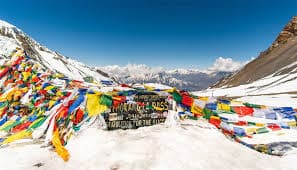
- A classic trek that encircles the Annapurna massif, crossing the Thorong La Pass (5,416 m).
- Offers diverse landscapes from rice paddies and rhododendron forests to high-altitude desert.
- Annapurna Base Camp (ABC) Trek
- Leads directly into the heart of the Annapurna Sanctuary.
- Provides stunning views of Annapurna I, Machapuchare (Fishtail), and Hiunchuli.
- Poon Hill Trek
- A shorter trek ideal for beginners, famous for panoramic sunrise views over Annapurna and Dhaulagiri ranges.
- Tilicho Lake Trek
- Includes a detour to one of the highest lakes in the world, Tilicho Lake (4,919 m).
These treks cater to all levels of trekkers, from novices to experienced hikers seeking adventure.
Mountaineering History
Annapurna I holds a significant place in mountaineering history as it was the first 8,000-meter peak ever climbed. On June 3, 1950, a French expedition led by Maurice Herzog and Louis Lachenal reached the summit, marking a milestone in high-altitude climbing.
However, Annapurna I is also known as one of the deadliest mountains, with a historically high fatality rate among climbers due to frequent avalanches, treacherous ice walls, and unpredictable weather conditions.
Cultural and Spiritual Importance
The name Annapurna reflects the mountain’s spiritual significance. In Hindu mythology, Goddess Annapurna is believed to be the provider of food and sustenance. Pilgrims and trekkers often pay respect at shrines and temples in the region, such as the Muktinath Temple, a sacred site for both Hindus and Buddhists located near the Annapurna Circuit.
The local Gurung and Thakali communities celebrate numerous festivals, such as Yartung, in honor of the mountains and deities that protect them.
Tourism and Accessibility
The city of Pokhara, located about 200 kilometers west of Kathmandu, serves as the primary hub for trekkers and mountaineers heading to the Annapurna region. Pokhara is well-connected by road and air and offers stunning views of the Annapurna range from its lakeside areas.
From Pokhara, numerous trails branch out into the Annapurna Conservation Area, allowing visitors to explore villages, terraced fields, waterfalls, and high mountain passes.
The region’s popularity has led to the development of teahouses and lodges along trekking routes, making it accessible for independent trekkers and organized groups alike.
Conclusion
Annapurna Mountain, with its breathtaking landscapes, towering peaks, rich cultural heritage, and spiritual significance, is one of Nepal’s crown jewels. Whether viewed from the serene lakeside of Pokhara or experienced firsthand on a trek through its valleys and ridges, Annapurna continues to captivate adventurers, pilgrims, and nature lovers from around the world.
This majestic massif is more than just a geographical landmark; it is a symbol of natural abundance, resilience, and timeless beauty that defines the spirit of the Himalayas.
Trekkers must obtain special permits from the Nepal Immigration Office before setting off. These permits are typically valid for ten days and ensure a smooth journey through the protected conservation area.
If you’re curious about the best seasons, packing essentials, itineraries, permits, or trekking costs in Annapurna, be sure to check our detailed blog guides covering everything you need for an unforgettable adventure.


