
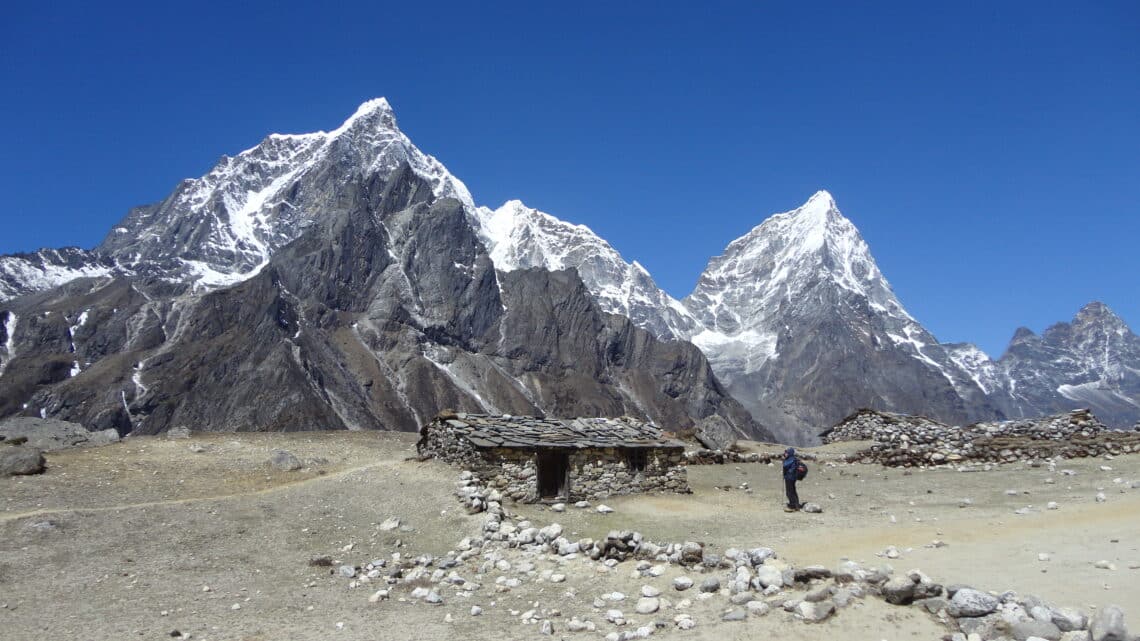
Everest Region: The Everest Region (Khumbu) is a dream destination for trekkers and mountaineers worldwide. Home to the world’s tallest mountain, Mount Everest (8,848 m), this Himalayan sanctuary offers more than just adventure — it’s a blend of awe-inspiring landscapes, resilient Sherpa culture, ancient monasteries, and experiences that change the way you see the world.
At Adventure Aspirant, we specialize in guiding trekkers through this legendary region. Whether your goal is to reach Everest Base Camp, explore the turquoise beauty of Gokyo Lakes, or push yourself across the Three High Passes, this complete guide will help you understand routes, preparation, highlights, best seasons, and insider tips for making the most of your Himalayan journey.
1. Why Trek the Khumbu Region?
A Land of Giants
The Everest Region is dominated by some of the planet’s highest peaks: Everest, Lhotse, Nuptse, Cho Oyu, and Ama Dablam. Trekking here means walking through valleys carved by glaciers, along ridgelines offering sweeping vistas, and across landscapes that make you feel both tiny and profoundly alive.
Cultural Richness
The Khumbu is not just about mountains — it’s the homeland of the Sherpa people. Known worldwide for their mountaineering skills and resilience, the Sherpas bring warmth and spirituality to the region. Visiting monasteries like Tengboche or celebrating local festivals like Mani Rimdu immerses trekkers in the deep Buddhist traditions of the Himalayas.
Accessible Adventure for All
The region caters to a range of trekking styles. Budget travelers can complete the classic trek with simple teahouse stays, while others may opt for ultra-luxury Everest Base Camp treks with helicopter returns. Whether you’re looking for challenge, serenity, or comfort, the Khumbu has a path for you.
2. Popular Trekking Routes in the Everest Region
a) Everest Base Camp Trek (14 Days)
The Everest Base Camp Trek (EBC) is the most iconic trek in Nepal and perhaps the world. Starting with a scenic flight into Lukla, the trek weaves through Namche Bazaar, Tengboche, Dingboche, and Gorakshep before reaching the legendary Base Camp. Highlights include:
- Kala Patthar (5,545 m) sunrise view of Everest.
- Encounters with Sherpa culture in villages like Namche and Khumjung.
- Walking in the footsteps of mountaineering legends.
Adventure Aspirant offers guided EBC treks that balance acclimatization, cultural interaction, and safety.
b) Budget Everest Base Camp Trek (14 Days)
For those traveling on a budget, the Budget EBC Trek is an affordable way to experience the same landscapes and trails as the classic route. Costs are reduced by choosing simpler accommodations and avoiding luxury add-ons, but the spirit of adventure remains unchanged.
c) Gokyo Lakes Trek (14 Days)
This trek is quieter than EBC, taking you to the six sacred Gokyo Lakes, set against the backdrop of Everest and Cho Oyu. From Gokyo Ri, trekkers enjoy one of the best panoramic views in the Himalayas — encompassing Everest, Lhotse, Makalu, and more. Perfect for those seeking beauty, serenity, and fewer crowds.
d) Everest Base Camp + Chola Pass + Gokyo Lakes (18 Days)
This adventurous route combines the highlights of both EBC and Gokyo, crossing the dramatic Cho La Pass (5,420 m). Expect glacial traverses, rugged landscapes, and epic views at every stage. Ideal for trekkers looking for variety and challenge.
e) Everest Three High Passes Trek (19 Days)
For seasoned adventurers, the Three High Passes Trek is the most comprehensive Khumbu circuit. Crossing Kongma La (5,535 m), Cho La (5,420 m), and Renjo La (5,360 m), it delivers breathtaking panoramas and off-the-beaten-track experiences. Demanding but immensely rewarding, this trek showcases the Khumbu in its entirety.
f) Ultra-Luxury EBC Trek with Helicopter Return (13 Days)
Not every trekker seeks hardship. The Luxury EBC Trek blends adventure with comfort: premium lodges with en-suite rooms, gourmet meals, and a helicopter ride back to Kathmandu after reaching Base Camp. Perfect for those with limited time or who want to celebrate Everest in style.
3. Trekking Essentials: Preparation & Planning as Trekking the Everest Region
- Clothing: Layered clothing for changing altitudes (thermal base layers, down jacket, waterproof shell).
- Footwear: Sturdy trekking boots, broken in before departure.
- Accessories: Trekking poles, headlamp, gloves, gaiters, and a four-season sleeping bag.
- Medical kit: Diamox (for AMS), blister pads, hydration salts.
Permits & Documentation
To trek in the Everest Region, you’ll need:
- Sagarmatha National Park Permit
- Khumbu Pasang Lhamu Rural Municipality Permit
Adventure Aspirant arranges these permits for you, making the process hassle-free.
Fitness & Training
EBC and high-pass treks don’t require technical climbing, but endurance is essential. Prepare with:
- Cardiovascular exercise (running, hiking, cycling).
- Strength training for legs and core.
- Practice hikes carrying a backpack to simulate trekking conditions.
Acclimatization & Health
Acclimatization days in Namche Bazaar and Dingboche are crucial. Hydrate well, avoid alcohol, and ascend gradually. Listen to your body — Adventure Aspirant guides are trained to detect and manage altitude sickness.
4. Day-by-Day Trek Itinerary of Everest Base Camp Trek (14 Days)
Day 01: Arrival in Kathmandu
Day 02: Fly Lukla (2,840 m/ 9,372 ft) and Phakding (2,610 m/ 8,613 ft) | Flight: 30 minutes | Trek: 3/4 hrs.
Day 03: Namche (3440 m/ 11,283 ft) | Trek: 5/6 hrs.
Day 04: Namche Bazaar (3,440 m) – (First day for acclimatization)
Day 05: Tengboche (3,867 m/ 12,684 ft) | Trek: 5/6 hrs.
Day 06: Dingboche (4,358m / 14, 295 ft) | Trek: 5/6 hrs.
Day 07: Dingboche (4,358 m) – (second day for acclimatization)
Day 08: Lobuche (4,928 m/ 16,164 ft) | Trek: 5/6 hrs.
Day 09: Everest Base Camp ( 5,364 m/ 17,575 ft) and return to Gokarshep ( 5,160 m/ 16,929 ft) | Trek: 5/6 hrs.
Day 10: Morning Kalapathar (5,550 m/ 18,204 ft) and Pheriche (4358m/ 14,295 ft) | Trek: 5/6 hrs.
Day 11: Namche Bazaar (3,440 m/ 11,283 ft) | Trek: 4/5 hrs.
Day 12: Lukla (2,840 m/ 9,372 ft) Trek: 6/7 hrs.
Day 13: Fly to Kathmandu | Flight: 30 minutes
Day 14: Departure Meal:
5. Cultural & Natural Highlights
Sherpa Villages
- Namche Bazaar: A bustling hub with bakeries, gear shops, and stunning amphitheater-style views.
- Khumjung & Kunde: Villages rich with Sherpa heritage and famous for the Hillary School and Hospital.
Monasteries & Spirituality
- Tengboche Monastery: The most sacred monastery in the Khumbu, framed by Ama Dablam.
- Prayer flags and mani stones line the trails, blessing each journey with peace and resilience.
Landscapes & Wildlife
- Rhododendron forests in spring, glacial moraines, high-altitude lakes, and views of the Himalayan giants.
- Wildlife includes Himalayan tahr, musk deer, and the elusive snow leopard.
6. Choosing the Right Trek
| Traveler Profile | Recommended Trek | Why |
| First-time trekker | Everest Base Camp (14 Days) | Iconic, achievable, well-supported. |
| Budget-conscious | Budget EBC (14 Days) | Affordable while covering main highlights. |
| Nature lover | Gokyo Lakes Trek | Tranquil, scenic, fewer crowds. |
| Adventure seeker | EBC + Chola Pass + Gokyo | Diverse, challenging, stunning landscapes. |
| Hardcore trekker | Three High Passes | Demanding, complete Khumbu circuit. |
| Luxury traveler | Ultra-Luxury EBC + Helicopter | Comfort, speed, and style. |
7. Best Time to Trek the Everest Region
- Spring (March–May): Warm days, rhododendron blooms, busy trails.
- Autumn (September–November): Crisp skies, best visibility, peak trekking season.
- Winter (December–February): Quiet trails, but cold temperatures and possible snow.
- Monsoon (June–August): Lush greenery but rain, landslides, and poor visibility.
8. Safety Tips for Trekking in the Khumbu
- Travel with licensed guides who know the terrain and culture.
- Always carry travel insurance covering high-altitude trekking.
- Stay hydrated and pace yourself — “climb high, sleep low.”
- Respect the local culture: dress modestly, ask before taking photos, and support local businesses.
9. Why Trek with Adventure Aspirant?
- Expertise: Years of guiding experience in the Everest Region.
- Local Connection: Sherpa guides offering insider knowledge and genuine hospitality.
- Flexible Options: From group treks to private, budget to luxury.
- Safety Commitment: Medical kits, trained staff, and careful acclimatization schedules.
- Authenticity: Hand-picked itineraries that combine iconic highlights with cultural encounters.
10. Real-Life Trekker Experiences
Imagine reaching Kala Patthar at dawn — the cold biting your cheeks as the first light paints Everest golden. Or sitting with Sherpa hosts in Namche, sharing tea while listening to stories of past expeditions. Trekking in the Khumbu isn’t just a physical journey — it’s a cultural and emotional one.
Adventure Aspirant’s trekkers often say: “I came for Everest, but I left with a love for the Sherpa people and the Himalayas.”
Conclusion
The Everest Region (Khumbu) offers more than just mountains — it’s a life-changing adventure. From the bustling streets of Kathmandu to the tranquil trails of Gokyo, from the spiritual energy of Tengboche to the raw majesty of Everest Base Camp, trekking here is a journey that challenges, humbles, and inspires.
At Adventure Aspirant, we’re passionate about helping you experience the Khumbu your way — whether that’s a budget trek, a luxury helicopter adventure, or the hardcore Three Passes challenge.
Are you ready to take the first step towards the roof of the world? Explore our Everest Region trekking packages today and begin your Himalayan story.


One comment on “A Complete Guide to Trekking the Everest Region (Khumbu) 2025 — Adventure Aspirant”
Comments are closed.