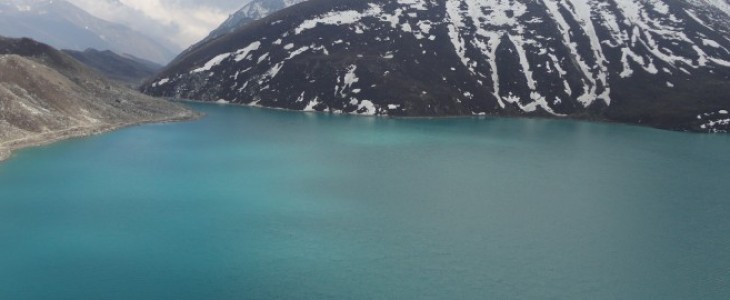
The Gokyo Lake Trek offers a serene and scenic alternative to the more frequented Everest Base Camp route. With fewer trekkers on the trail, this journey offers a more peaceful experience while still showcasing the remarkable beauty of the Khumbu region—local Sherpa communities, snow-draped peaks, ancient glacial moraines, and the vivid turquoise waters of the stunning Gokyo Lakes.
Perched at altitudes ranging from 4,700 to 5,000 meters, the Gokyo Lakes comprise the world’s highest freshwater lake system, with six primary lakes, the largest being Thonak Lake. Spanning 7,770 hectares, this pristine alpine wetland is recognized as a Ramsar Site for its environmental and cultural significance. Revered by both Hindus and Buddhists, the lakes are a spiritual destination as well as a natural marvel.
According to Lonely Planet, the Gokyo Valley is one of the most dramatic and essential trekking locations in the Khumbu. An additional day in the region allows you to hike to the 5th and 6th Gokyo Lakes, perched like sparkling bowls high on the mountain beneath Cho Oyu, the world’s sixth tallest peak.
Each day involves about 5 hours of trekking, with the highlight being the ascent to Gokyo Ri (5,357m)—a natural viewpoint offering breathtaking panoramas of Everest, Lhotse, Makalu, and Cho Oyu. The trek also introduces you to the Ngozumpa Glacier, the largest glacier in Nepal, surrounded by majestic ice formations and rugged Himalayan landscapes.
At the base of Gokyo Ri, you’ll find a tiny village of stone homes—among the highest permanent settlements on Earth. Photographers and adventurers alike will be thrilled by the views from Gokyo Ri, capturing the untouched charm of the Gokyo Valley and its encircling peaks.
Day 1: Arrival in Kathmandu and Hotel Transfer
Upon arrival at Tribhuvan International Airport, you will be warmly greeted by a representative from Adventure Aspirant (Pvt. Ltd.) and escorted to your hotel in Kathmandu. This is a leisure day with no scheduled activities, allowing you time to rest after your journey or explore the local streets and sights at your own pace. In the early evening, we will conduct a pre-trek briefing, during which you will be introduced to your trekking guide and receive important information about your adventure. Overnight stay at a hotel in Kathmandu.
Day 2: Kathmandu Sightseeing and Trek Preparation
After breakfast, begin a guided cultural tour of Kathmandu’s iconic heritage sites with Adventure Aspirant. You’ll visit several UNESCO World Heritage landmarks, including the historic Kathmandu Durbar Square, the revered Pashupatinath Temple (a sacred Hindu pilgrimage site), the famous Swayambhunath Stupa—commonly known as the ‘Monkey Temple’, and Boudhanath Stupa, one of the largest and most significant Buddhist stupas in the world. In the afternoon, you’ll have time to make final preparations for your trek—checking gear, shopping for any last-minute essentials, or discussing the route with your guide. Overnight stay at a hotel in Kathmandu.
Day 3: Fly from Kathmandu to Lukla (2,800m) and Trek to Phakding (2,652m) – 3 to 4 Hours
Start your day early with breakfast, followed by a transfer to the domestic terminal for a scenic 35-minute mountain flight to Lukla—the gateway to Everest. Upon arrival, enjoy a warm cup of tea at a local teahouse before beginning your trek with Adventure Aspirant along the iconic Everest Trail. Today’s path descends gently through lush alpine valleys, tracing the Dudh Koshi River, aptly named the "Milk River" for its glacial-white hue. As you move through traditional Sherpa settlements and terraced landscapes, the beauty of the Khumbu region starts to unfold. After about 3 to 4 hours of walking, you’ll arrive at Phakding, a peaceful riverside village, where your first day of trekking concludes. Overnight at a lodge in Phakding.
Day 4: Trek to Namche Bazaar (3,440m) – 5 to 6 Hours
Today’s trek involves a steady ascent through beautiful alpine valleys. Along the way, you’ll cross the Dudh Koshi River several times before arriving at Namche Bazaar, the bustling Sherpa hub of the Khumbu region. On clear days, breathtaking panoramic views of Mount Everest, Lhotse, Thamserku, Kusum Kangru, Kwangde, and Tawache unfold, making the climb even more rewarding. Overnight stay at a lodge in Namche Bazaar.
Day 5: Rest and Acclimatization Day in Namche Bazaar
Proper acclimatization is essential before moving on to higher elevations. Today marks your first acclimatization day in Namche Bazaar, a vital part of every trekking itinerary in the Everest region with Adventure Aspirant. Use this time to relax and explore the vibrant village, allowing your body to adjust to the altitude. Overnight stay at a lodge in Namche Bazaar.
Day 6: Trek from Namche Bazaar to Dole (4,040m)
After a hearty breakfast, we begin our trek ascending from Namche. The trail from the summit of Namche to Sanasa via Kyanjuma is relatively level and easy to navigate. From Sanasa, we veer off the main Everest Base Camp route and continue steadily uphill toward Mong Danda, a quaint ridge-top settlement offering spectacular mountain vistas. From Mong Danda, the path descends toward the Dudh Koshi River near Phunki Thanga, where you’ll enjoy lunch under the cool shade of towering alpine trees. The trek then continues through peaceful alpine forests rich with rhododendrons, oaks, magnolias, pines, junipers, and firs, accompanied by stunning views of surrounding peaks. Overnight accommodation will be at a lodge in Dole.
Day 7: Trek from Dole to Machhermo (4,150m) – Approximately 4 Hours
After breakfast in Dole, the day’s trek begins with a steady climb. Due to the high altitude, trees like rhododendrons and junipers appear more like shrubs. Our route passes through Lhabarma Kharka and Luza, offering spectacular views of Cho Oyu, the world’s sixth highest mountain at 8,201 meters. Since today’s trek is relatively short, we’ll reach Machhermo, a quaint Sherpa village, in time for lunch and overnight stay. In the afternoon, you can enjoy leisurely walks, soak in the stunning mountain scenery, and relax.
Day 8: Trek from Machhermo to Gokyo (4,750m) – Approximately 4.5 Hours
From Machhermo, embark on a relatively short trek to reach the stunning Gokyo Lake, also known as the Third Lake or Dudh Pokhari. Along the way, you will pass by the First and Second Lakes, each offering beautiful scenery and serene spots to admire. Upon arrival, check into your lodge for an overnight stay. Enjoy lunch with breathtaking views overlooking Gokyo Lake framed by snow-capped peaks, making it a truly unforgettable experience.
Day 9: Exploration Day at Gokyo
Start early with a morning hike lasting 2 to 3 hours up to Gokyo Ri to witness a breathtaking sunrise over some of the world’s tallest peaks, including Mount Everest (8,848m), Lhotse (8,516m), Makalu (8,481m), Cho Oyu (8,201m), and a magnificent range of surrounding mountains. Along the ascent and from the summit, you’ll also take in views of Gokyo Lake and the expansive Ngozumba Glacier. After soaking in the spectacular scenery and capturing memorable moments, descend back to Gokyo for breakfast and lunch. Spend your afternoon at leisure, relaxing or enjoying the peaceful ambiance around the lake.
Day 10: Trek from Gokyo to Dole (4,040m)
Today, we bid farewell to this heavenly spot as we begin our descent back towards Dole. You have the option to take a morning stroll around the lake or simply relax and enjoy a leisurely breakfast. If you prefer, you can start trekking after lunch as well. When ready, we trek back to Dole for an overnight stay at a cozy teahouse.
Day 11: Trek to Namche Bazaar (3,440m)
Today’s destination is Namche Bazaar. From Dole, we descend to Phunki Tenga, cross a wooden bridge, then climb stairs up to Mong Dada, where you can capture stunning photographs of the snow-capped peaks before continuing towards Kyanjuma. From Kyanjuma, the trail flattens out and leads gently to Namche. Along the way, there’s a good chance to spot local wildlife such as the Himalayan Tahr, Musk Deer, and the vibrant Danphe, Nepal’s national bird.
Day 12: Trek to Lukla (2,800m)
On this final day of trekking, we make our way back to Lukla. This 7 to 8-hour journey takes us through charming villages including Jorsale, Monjo, Phakding, Ghat, Thado Koshi, and Cheplung. Upon arriving in Lukla, you’ll have some time to unwind and celebrate the successful completion of your trek.
Day 13: Fly Back to Kathmandu from Lukla
This morning, we will escort you to the Lukla airstrip for your flight back to Kathmandu. The scenic 35-minute flight usually departs early, weather permitting. Upon arrival in Kathmandu, you will be transferred to your hotel.
Day 14: Airport Transfer to Your Onward Destination
We will provide a transfer to the international airport for your onward flight home, wishing you a safe and pleasant journey ahead.
Three nights’ hotel accommodation in Kathmandu on a tourist-standard basis, including breakfast.
One full day of guided city sightseeing by private vehicle.
Round-trip airfare for both member and guide between Kathmandu and Lukla, inclusive of airport taxes.
Local development fees for the Everest region.
Entry fees for Sagarmatha (Everest) National Park.
Fresh, wholesome meals on a full board basis (breakfast, lunch, and dinner) served with hot beverages such as tea and coffee.
Safe and clean drinking water provided throughout the trek.
Basic first aid kit for any minor medical needs.
Trekking equipment available if needed, including sleeping bags, down jackets, and trekking poles (to be returned after the trek).
Trekking duffel bags and detailed trekking route maps provided.
Experienced English-speaking local trekking guides holding government licenses, assistant guides, and porters assigned according to group size.
All relevant government taxes and local fees included.
Staff wages, insurance, equipment, domestic flights, food, and accommodations covered.
Welcome and farewell dinners hosted in a traditional Nepali restaurant, complete with cultural performances in Kathmandu.
International airfare to and from Nepal.
Nepal visa fees.
Lunch and dinner meals during your stay in Kathmandu (excluding special dinners).
Entrance fees to monuments during the city tour (approximately $25 per person).
Personal expenses such as phone calls, laundry, bar tabs, battery charging, bottled water, and hot showers.
Costs related to emergency rescue, medical evacuation, medications, medical tests, and hospital stays.
Gratuities for guides and porters.
Charges for any additional staff not specified in the itinerary
Gokyo Valley Trek: Overview
The Gokyo Valley trek is a teahouse-based journey in the Everest region, offering breathtaking Himalayan scenery, serene alpine lakes, glacier landscapes, and a quieter route compared to the busy Everest Base Camp trail.
Major Highlights
This trek features the stunning Gokyo Lakes, a climb to Gokyo Ri (5,357 m) for sweeping mountain views, a crossing of the vast Ngozumpa Glacier, and immersive experiences in traditional Sherpa villages.
Trek Itinerary
Your journey begins with a scenic flight from Kathmandu to Lukla. From there, the trail passes through Phakding, Namche Bazaar, Dole, Machhermo, and Gokyo. After exploring the area and hiking up Gokyo Ri, you’ll retrace your steps back to Lukla and return to Kathmandu by air.
Maximum Elevation
The highest point reached during the trek is Gokyo Ri at 5,357 meters, offering panoramic views of peaks such as Mount Everest, Lhotse, Makalu, and Cho Oyu.
Acclimatization Strategy
To help your body adjust to the altitude, the itinerary includes rest and acclimatization days in Namche Bazaar and Gokyo, reducing the chances of altitude sickness.
Difficulty Level
This trek is considered moderate to demanding. Expect to walk 5–7 hours daily on uneven terrain at high elevations. A good level of fitness and some trekking experience are beneficial.
Accommodation and Meals
In Kathmandu, you’ll stay in a comfortable tourist-standard hotel. During the trek, accommodation is provided in simple yet clean teahouses. Meals during the trek are included (breakfast, lunch, and dinner), while only breakfast is provided in Kathmandu.
Food on the Trek
You’ll enjoy hearty and nutritious meals such as dal bhat (rice and lentils), noodles, soups, porridge, Tibetan bread, and seasonal vegetables. Food is prepared with care, focusing on hygiene and freshness.
Group Size
Groups usually consist of 2 to 10 trekkers. Solo travelers are welcome, and larger groups can be accommodated with customized plans.
Permits and Fees
All required permits, including entry to Sagarmatha National Park and local municipality fees, are included in the trek package.
Lukla Flights
Round-trip flights between Kathmandu and Lukla are part of the itinerary. In case of weather-related delays or cancellations, helicopter transfers may be arranged at an additional cost.
Required Gear
Essential items include warm layers, waterproof clothing, sturdy trekking boots, gloves, hat, sunglasses, sunscreen, a headlamp, sleeping bag, water bottles, and personal essentials. A detailed packing list will be shared before departure.
Best Time to Trek
The ideal seasons are spring (March–May) and autumn (September–November), when weather conditions are stable and mountain views are clearest.
Health and Safety Tips
Stay well-hydrated, maintain a steady pace, and allow time for proper acclimatization. Inform your guide immediately if you feel unwell. Carry a personal first aid kit and consult your doctor before traveling.
Connectivity on the Trail
Mobile network coverage is available in some locations like Namche Bazaar and Gokyo. Wi-Fi is offered at certain teahouses for an extra charge.
Trekking Support Team
You will be accompanied by a licensed English-speaking guide, with an assistant guide for larger groups. Porters (one per two trekkers) will carry your main luggage. All team members are experienced and insured.
Travel Insurance
Comprehensive travel insurance is strongly advised. It should include coverage for high-altitude trekking, emergency evacuation, medical care, and trip disruptions.
Extra Days Recommendation
It’s wise to arrive in Kathmandu at least one day before the trek begins. Adding extra days after the trek is also recommended in case of flight delays from Lukla.
Why Choose This Trek with Adventure Aspirant Pvt Ltd.?
This trek offers a perfect combination of natural beauty, cultural encounters, and a less crowded route in the Everest region. With experienced guides, carefully planned itineraries, and a strong focus on safety and responsible tourism, it promises a memorable Himalayan experience.
Preparing for the Gokyo Lake trek is quite similar to the standard EBC route. As choosing the right gear becomes even more important for safety, comfort, and performance in changing mountain conditions.
Below is a well-structured packing guide recommended for trekkers with Adventure Aspirant Pvt. Ltd.
Footwear
• High-ankle trekking boots (waterproof): A durable, well-used pair is highly recommended to avoid blisters and ensure stability on rocky and icy trails (1 pair)
• Gaiters: Useful for keeping snow, mud, and small debris out of your boots (1 pair)
• Camp footwear: Lightweight sandals or slippers for use inside teahouses (1 pair)
• Foot warmers (optional): Helpful during extremely cold nights or high-altitude crossings
Clothing System
• Base layers (thermal sets): At least 2 sets for warmth and moisture control
• Mid layers: Fleece jackets or similar insulating wear (minimum 2)
• Outer insulation: One high-quality down jacket for cold altitude conditions
• Waterproof shell: Windproof and waterproof jacket plus trekking pants for protection against rain, wind, and snow (1 jacket, 2 pants recommended)
• Comfort wear: At least 2 relaxed trousers for use in lodges
• Moisture-wicking tops & bottoms: Around 3 sets to stay dry during long trekking days
Head & Face Protection
• Warm insulated hat: Essential for cold mornings and evenings
• UV-protection sunglasses: Preferably glacier glasses for strong alpine sunlight
• Buff / neck gaiter / balaclava: Protects against wind, dust, and cold air at high altitude
Hand Protection
• Heavy insulated gloves: Waterproof and wind-resistant for extreme conditions
• Light inner gloves: For layering and added flexibility during trekking
Backpack & Carrying Gear
• Trekking backpack (40–50L): Comfortable, ergonomic design with proper support and compartments for daily essentials
Sleeping Equipment
• High-altitude sleeping bag: Rated for sub-zero temperatures for cold Himalayan nights
• Sleeping liner or mat (optional): Extra insulation for better rest in teahouses
Trekking Accessories
• Adjustable trekking poles: Reduce pressure on knees and improve balance on steep or uneven terrain
Navigation & Essentials
• Trekking map: Provided by Adventure Aspirant Pvt. Ltd. for route awareness
• Compass (backup): Useful as an additional navigation aid
Personal Hygiene & Medical Kit
• Basic toiletries: toothbrush, toothpaste, soap, towel, and other essentials
• First aid supplies: bandages, antiseptic cream, pain relievers, altitude sickness medication, and personal prescriptions
(A basic medical kit is arranged by the company)
Hydration System
• Insulated water bottles: Prevent freezing at higher elevations
• Water purification tablets or filters: Ensure safe drinking water throughout the trek
Electronics & Lighting
• Headlamp or torch: Essential for early starts or nighttime use (carry extra batteries)
• Camera or smartphone: For capturing mountain landscapes (extra batteries or power bank recommended)
Useful Extras
• Repair tape (duct tape) for quick gear fixes
• Multi-tool or small knife for general use
• Energy bars, chocolates, or dry snacks for quick energy boosts
All equipment should be selected carefully to match high-altitude Himalayan conditions. Proper preparation significantly improves safety and enjoyment throughout your journey with Adventure Aspirant Pvt. Ltd.
1- Can you see Everest from Gokyo Lake?
No, One can’t see Mt Everest from Gokyo Lake. Indeed, for the best views of Mount Everest, you’ll need to hike up to Gokyo Ri, which sits at about 5,357 meters. From this high point, trekkers are rewarded with sweeping panoramic scenery that includes Everest along with several other towering Himalayan peaks.
2- How long does the Gokyo Lake trek take?
The Gokyo Lake Trek generally takes around two weeks to complete. In some itineraries, it may stretch to about 16 days, allowing trekkers to reach elevations of roughly 5,400 meters. It’s considered a moderately challenging trek that begins and ends at Lukla.
3- How can I reach Gokyo?
The most common way is to fly from Kathmandu to Lukla Airport, followed by trekking through the Everest region. Alternatively, you can travel by bus from Kathmandu to Jiri and start your trek from there, which is a longer but more traditional route.
4- Is Gokyo Lake worth visiting?
Absolutely. The journey to Gokyo Lakes is highly rewarding, especially for nature lovers. The trek offers stunning mountain views, serene lakes, and rich cultural experiences, making the extra time and effort worthwhile.
The given cost are per person and exclude international flights. Given below are the departure dates available for online booking. If the given date is not favorable then please contact us and we will happily customize your trip on dates more appropriate for you.
Note: If your group size is of more than 1 pax then you can set your own departure date.
| Start Date | Trip Price | Discount | Discounted Price | Action |
|---|
USD1397pp
Duration : 14 Days
From USD 1649
Duration: 17 Days
View Details