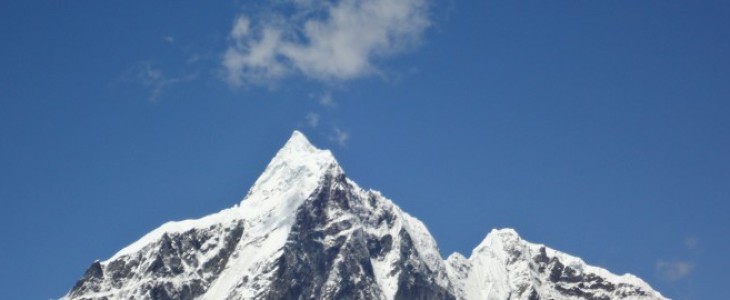
Budget Everest Base Camp Trek is one of the most breathtaking and iconic trekking adventures in Nepal. This journey becomes unforgettable thanks to the awe-inspiring Himalayan scenery. Let Adventure Aspirant be your guide in exploring the incredible wonders of the Khumbu region—immerse yourself in enchanting alpine valleys and admire the extraordinary natural and cultural beauty of the Himalayas. Discover the renowned Everest area and experience the warmth of Sherpa heritage. This trek is not just an adventure—it’s a celebration of nature and culture. Embark on the most thrilling expedition of your life.
Looking forward to an unforgettable experience on the Budget Everest Base Camp Journey? Our thoughtfully crafted itinerary ensures a smooth pace of acclimatization, minimizing the risk of altitude-related issues. Along the trail, you’ll encounter some of the globe’s most captivating highland settlements. Reaching Everest Base Camp is not just a physical accomplishment—it’s a journey into one of Earth’s most spectacular settings.
While the Budget EBC Trek poses moderate challenges compared to other trails in Nepal, it doesn’t require technical mountaineering skills. It’s an accessible and rewarding trek suited for anyone ready to hike 5–6 hours daily at their own rhythm.
Your adventure begins with a scenic 35-minute flight to Lukla. From there, the trek takes you through legendary Sherpa hamlets like Namche Bazaar, Tengboche, Dingboche, Lobuche, and Gorakshep. Along the way, you'll witness traditional farming landscapes, ancient monasteries, and striking views of peaks such as Everest, Lhotse, Thamserku, Island Peak, and Nuptse. The summit of Kala Patthar offers a dramatic panorama and an unforgettable sunrise over the Himalayan giants.
Adventure Aspirant’s budget-friendly Everest Base Camp package is among the most sought-after options for trekkers. Our 14-day program includes cozy teahouse and lodge stays. A seasoned team of Sherpa guides and porters will accompany you throughout, ensuring safety, comfort, and personalized service tailored to your interests and pace.
Day 01: Arrival in Kathmandu (1,300m / 4,264 ft)
Welcome to Nepal! Our team will meet you at Tribhuvan International Airport and transfer you to your hotel in Kathmandu. Overnight in Kathmandu.
Day 02: Fly to Lukla & Trek to Phakding (2,652m / 8,700 ft) – 3 to 4 hrs walk
Enjoy a scenic 35-minute flight to Lukla. Begin your trek with a gentle descent through alpine forests to reach Phakding. Overnight in Phakding.
Day 03: Trek from Phakding to Namche Bazaar (3,440m / 11,283 ft) – 5 to 6 hrs walk
Trek along the Dudh Koshi River and cross suspension bridges en route to Namche, the gateway to the Khumbu region. Overnight in Namche Bazaar.
Day 04: Acclimatization Day at Namche Bazaar
Rest and adapt to the altitude. Optional hike to Everest View Hotel or explore the Sherpa Museum and local markets. Overnight in Namche Bazaar.
Day 05: Trek from Namche to Tengboche (3,870m / 12,694 ft) – 5 to 6 hrs walk
Trek through rhododendron forests with stunning views of Everest, Lhotse, and Ama Dablam. Visit Tengboche Monastery.
Overnight in Tengboche.
Day 06: Trek from Tengboche to Dingboche (4,360m / 14,300 ft) – 5 to 6 hrs walk
Descend through pine forests before ascending to Dingboche. Observe the landscape change to alpine desert. Overnight in Dingboche.
Day 07: Trek from Dingboche to Lobuche (4,940m / 16,207 ft) – 5 to 6 hrs walk
Pass through Dughla and ascend the Thukla Pass, where memorials to fallen climbers stand. Continue to Lobuche. Overnight in Lobuche.
Day 08: Trek to Everest Base Camp (5,364m / 17,594 ft), via Gorakshep (5,170m / 16,961 ft) – 8 to 9 hrs walk
A challenging but rewarding day. Hike to Base Camp, take in the glacier views, and return to Gorakshep. Overnight in Gorakshep.
Day 09: Hike to Kala Patthar (5,545m / 18,192 ft), trek down to Pheriche (4,280m / 14,070 ft) – 8 to 9 hrs walk
Climb early to Kala Patthar for sunrise views of Everest, then descend through Lobuche to Pheriche. Overnight in Pheriche.
Day 10: Trek from Pheriche to Khumjung (3,780m / 12,402 ft) – 5 to 6 hrs walk
Descend through alpine scenery and traditional Sherpa villages to the cultural heart of Khumjung. Overnight in Khumjung.
Day 11: Trek from Khumjung to Monjo (2,835m / 9,301 ft) – 5 to 6 hrs walk
Retrace your steps through Namche and descend into the Dudh Koshi valley to Monjo. Overnight in Monjo.
Day 12: Trek from Monjo to Lukla (2,840m / 9,317 ft) – 3 to 4 hrs walk
Complete your trekking loop and enjoy a final evening in the mountains at Lukla. Overnight in Lukla.
Day 13: Fly Back to Kathmandu (1,300m / 4,264 ft) – 30 to 40 minutes flight
Morning flight to Kathmandu. Free time to rest or explore the city. Overnight in Kathmandu.
Day 14: Departure Day – Transfer to the Airport
Our team will drop you at the airport for your flight back home, with unforgettable memories of Everest.
Private airport transfers: Pickup and drop-off between Tribhuvan International Airport and your hotel in Kathmandu via comfortable private vehicle.
All domestic ground transfers: Travel by tourist bus or private car/jeep as per the itinerary.
Round-trip domestic flights: Airfare for Kathmandu–Lukla–Kathmandu sectors included.
Trekking accommodations: Shared lodging in local teahouses, guesthouses, or mountain lodges on a twin-sharing basis during the trek.
Permit arrangements: All required entry permits, including the Sagarmatha National Park entry fee.
TIMS registration: Trekker’s Information Management System card issued for your safety and tracking.
Certified trekking guide: Experienced, English-speaking, government-licensed trekking leader with full insurance, wages, and equipment covered.
Support porter: One well-trained and insured porter (shared between two trekkers) for carrying your luggage during the trek.
Essential medical kit: Group first aid kit for minor emergencies and altitude-related issues.
Safe drinking water: Mountain-purified drinking water provided during the trekking days.
Completion certificate: A personalized Adventure Aspirant Certificate to commemorate your successful Everest Base Camp journey.
All service charges & taxes: Government taxes, VAT, and Adventure Aspirant’s operational fees are all included.
Meals, accommodation, and beverages while staying in Kathmandu.
Personal meals and drinks during the trek (breakfast, lunch, dinner not included).
Alcohol, soft drinks, bottled water, snacks, laundry, Wi-Fi, and other personal expenses.
Emergency evacuation costs: Helicopter rescue, personal travel insurance, or medical coverage is not provided.
Accommodation and Meals
While staying in Kathmandu, you will be accommodated in a tourist-standard hotel. During the trek, lodging will be arranged in local teahouses. Please note that rooms in teahouses are typically shared. Since the Everest region is remote and far from urban areas, facilities are simple and should not be compared to city hotels.
Breakfast will be provided during your stay in Kathmandu.
Pre-Trek Briefing
Before the trek begins, you will attend a briefing session where you’ll receive detailed information about the journey. You will also be given necessary documents and introduced to your trekking guide.
Trekking Team
Your trek will be supported by a licensed, experienced, English-speaking guide with strong knowledge of responsible and eco-friendly tourism practices.
An assistant guide will also accompany the group to provide additional support whenever needed.
Porters will be arranged at a ratio of one porter for every two trekkers, carrying up to 25 kg in total.
All crew members are insured for their safety and well-being.
Completion Certificate
At the end of your trek, you will receive a certificate recognizing your successful participation in the adventure from Adventure Aspirant Pvt Ltd.
Group Size
Group sizes typically range from 2 to 10 participants. Solo travelers are also welcome and can join planned departures. For larger groups (more than 10 people), customized arrangements and itineraries can be organized upon request.
Acclimatization
Trekking in the Everest region requires careful adjustment to altitude. The itinerary is thoughtfully designed to allow gradual acclimatization. Specific rest days and controlled walking distances are included to help your body adapt.
In case of altitude-related issues, your trekking team is trained to respond effectively and ensure your safety.
Managing Altitude Sickness
• Carry a personal first aid kit
• Consult your doctor before the trip
• Inform your guide immediately if you feel unwell
• Stay with your group and support one another throughout the trek
Travel Insurance
It is strongly advised to have comprehensive travel insurance for your trek. Coverage should include emergency evacuation (such as helicopter rescue), trip cancellation, medical expenses, and loss or theft of belongings. Trekking in remote mountain regions involves certain risks, so proper insurance is essential.
Permits and Entry Fees
Various permits and entry fees are required for trekking in protected areas, national parks, and heritage sites. All necessary fees are included in the package cost.
Flight Delays: Kathmandu – Lukla – Kathmandu
Flights to and from Lukla are usually operated by small aircraft such as Twin Otter or Dornier planes. While generally reliable, delays or cancellations can occur due to weather or technical reasons.
In such situations, a helicopter may be arranged if necessary to help you stay on schedule. Helicopters can operate in lower visibility conditions compared to planes, according to aviation regulations in Nepal.
If a helicopter service is used, the cost must be paid directly in Kathmandu. Payment can be made via US dollars, traveler’s cheques, or credit cards (Visa or MasterCard). A receipt will be provided for insurance claims. Prices typically range from USD 500 to USD 3500 depending on group size.
Extra Days Recommendation
It is advisable to arrive in Kathmandu at least one day before your trek begins. This allows time for rest and last-minute preparations.
Likewise, adding a few buffer days after your trek is recommended, as flights between Lukla and Kathmandu are sometimes delayed due to weather. Having extra time helps ensure you don’t miss your international departure.
Head:
Neck gaiter / Buff
Sun hat / Cap
Warm beanie or fleece hat
UV-protection sunglasses
Headlamp with spare batteries
Upper Body:
Moisture-wicking base layers
Fleece or insulated jacket
Waterproof windbreaker
Down jacket (personal strongly recommended)
Lower Body:
Trekking trousers
Waterproof pants
Thermal leggings
Feet:
Lightweight liner socks
Thick wool socks
Waterproof trekking boots
Sandals or camp shoes
Hands:
Insulated gloves (Gore-Tex or fleece)
Accessories:
Sleeping bag (-20°C rating)
Duffel bag and rain cover (provided)
Daypack
Trekking poles (optional, recommended)
Refillable water bottles or hydration system
Toiletries and personal hygiene items
Quick-dry towel
Sunscreen, lip balm, insect repellent
Basic first-aid kit
Wet wipes
Travel journal or book
1- When is the best time to trek?
The ideal seasons are spring (February to May) and autumn (October to December).
2- What is the weather like?
• Spring: Mild days, cold nights (can drop below freezing at high altitude)
• Monsoon (July–mid-September): Warmer but wet conditions
• Autumn: Clear skies, moderate temperatures, colder nights at higher elevations
3- I am vegetarian—will that be an issue?
Not at all. Vegetarian meals are widely available and often recommended for better digestion at altitude.
4- Are your guides qualified and trained?
Yes, guides are professionally trained in trekking and high-altitude first aid through recognized tourism institutions in Nepal.
5- What safety measures are in place?
Guides carry first aid kits and communication devices (mobile and satellite phones). They are trained to handle altitude-related issues and emergencies.
6- How long is the trek?
The full Everest Base Camp trek covers approximately 75 miles (around 120 kilometers).
7- Do I need to book my international flights?
Yes, travelers are responsible for arranging their own international flights to and from Nepal.
8- I charge my devices during the trek?
Charging is available at most lodges for an extra fee.
9- Is communication available during the trek?
Some villages offer phone and internet services. Guides also carry mobile phones for emergency communication.
10- Can I use credit cards during the trek?
No, cash is required. It’s best to exchange money into Nepali rupees before heading into the mountains.
11- How much extra money should I budget per day?
In Kathmandu, around USD 10–15 per meal is typical. During the trek, USD 15–18 per day should cover water, snacks, showers, and small extras.
12- Do I need to tip guides and porters?
Tipping is customary. A general guideline is about 10-15% of your total trip cost, shared among the staff.
13- Are showers available during the trek?
Hot showers are available in larger villages for an extra fee. In smaller places, bucket showers are common.
14- Are trekking staff insured?
Yes, all trekking staff—including guides and porters—are fully insured.
15- Can I extend my trek?
Yes, additional days can be arranged upon request for an extra cost.
16- Will I need to carry all my gear?
No, porters will carry your main luggage. You only need a small daypack for essentials.
17- Can I store extra belongings in Kathmandu?
Yes, hotels provide secure storage for items you don’t need during the trek.
18- Can I get a Nepal visa on arrival?
Yes, tourist visas are available on arrival at Tribhuvan International Airport. You’ll need passport photos and the applicable fee (USD 30 for 15 days, USD 50 for 30 days and USD 125 for 90 days).
19- What is the success rate of your treks?
Our Everest trekking trips have an excellent track record, with nearly all participants successfully completing the journey.
20- What level of fitness is required? Is this trek suitable for me?
You should begin preparing at least 2–3 months before departure. Aim for aerobic workouts (like hiking, jogging, or cycling) 3–4 times a week for about an hour. Training on trails with uphill and downhill sections is especially helpful. With good fitness and a positive mindset, most people can enjoy and complete the trek.
21- Will I be picked up from the airport on arrival?
Yes, a representative will meet you at the airport and transfer you to your hotel.
22- What kind of accommodation is provided?
In Kathmandu, you’ll stay in a comfortable 3-star hotel. During the trek, accommodation will be in basic teahouses or lodges in the mountains.
23- Can I reserve now and pay the deposit later?
Yes, you can secure your booking first and pay a deposit (around 20%) at a later stage.
24- Can I have a private room in Kathmandu? What is the cost?
Yes, single rooms are available in Kathmandu for an additional charge of approximately USD 40 per night.
25- Is the trip guaranteed if I travel alone?
Yes, departures are confirmed even if you are the only participant.
26- How do I pay the remaining balance?
The balance can be paid upon arrival in Kathmandu using cash (USD) or cards such as Visa and MasterCard.
27- What kind of food is available during the trek?
Teahouses serve a wide range of meals, mostly vegetarian. Options include rice and lentils (dal bhat), noodles, pasta, potatoes, eggs, soups, bread, and seasonal vegetables. Some places also offer desserts and occasional meat dishes.
28- Is the food safe?
Yes, meals are generally safe. Vegetarian dishes are recommended, and it’s best to follow your guide’s advice regarding food choices.
29- What about drinking water?
Bottled water is available along the trail, with prices increasing at higher altitudes. You can also use purification tablets or filters to treat local water sources.
30- What transportation is used?
Ground transport in Kathmandu is by air-conditioned car, van, or bus. Flights to Lukla are typically operated by domestic airlines.
The given cost are per person and exclude international flights. Given below are the departure dates available for online booking. If the given date is not favorable then please contact us and we will happily customize your trip on dates more appropriate for you.
Note: If your group size is of more than 1 pax then you can set your own departure date.
| Start Date | Trip Price | Discount | Discounted Price | Action |
|---|
USD1149pp
Duration : 14 Days
From USD 1649
Duration: 17 Days
View Details