
Embark on the ultimate beginner-friendly Himalayan adventure with our Island Peak Climbing package, perfectly designed for those aiming to experience both the Everest Base Camp trek and a 6000m+ summit in one epic journey.
This 20-day expedition begins in Kathmandu with cultural sightseeing before flying to Lukla — the gateway to Everest. The trek follows the classic EBC route, passing iconic landmarks like Namche Bazaar, Tengboche Monastery, Dingboche, Everest Base Camp, and the stunning viewpoint of Kalapatthar.
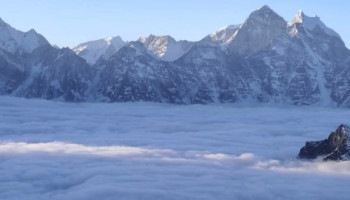
After reaching Kalapatthar, you'll reach Island Peak Base Camp via Lobuche, Dingboche and Chhukung, where your climbing preparation begins. The summit day involves a tough 9–12 hour climb, rewarded with panoramic views of Lhotse, Ama Dablam, Makalu, and the Khumbu Icefall.
Carefully paced for proper acclimatization, this itinerary ensures you’re fully prepared for a safe and successful ascent. The adventure concludes with a descent to Lukla and a return flight to Kathmandu.
Highlights of this Trek and Peak Climbing
- Scenic flight to Lukla & classic EBC trail experience
- Visit Everest Base Camp and summit Kalapatthar (5,545m)
- Guided summit of Island Peak (6,189m) with full climbing support
- Breathtaking views of Everest, Lhotse, Makalu & Ama Dablam
- Immersive Sherpa culture and UNESCO sites in Kathmandu
Day 01 – Arrival in Kathmandu (1,300 m)
Upon landing at Tribhuvan International Airport, you’ll be warmly received by a representative from our team. After a brief introduction to the trip, you will be transferred to your hotel. The rest of the day is free—unwind or explore the local surroundings at your own pace. Overnight in Kathmandu.
Day 02 – Kathmandu Cultural Tour and Final Trip Prep
Today’s guided sightseeing covers key UNESCO-listed landmarks in Kathmandu: the historic Durbar Square, the massive Boudhanath Stupa, the sacred Pashupatinath Temple, and the hilltop Swayambhunath Stupa (Monkey Temple). Each site offers a glimpse into Nepal’s rich heritage of art, religion, and architecture. Afterward, return to your hotel to prepare for the trekking adventure. Overnight in Kathmandu.
Day 03 – Flight to Lukla (2,800 m) & Trek to Phakding (2,652 m), 3–4 hrs
Catch an early domestic flight to the mountain airstrip of Lukla—an exhilarating experience with stunning views. After arriving, begin your trek through lush hills and scenic valleys toward the village of Phakding. Overnight in Phakding.
Day 04 – Trek to Namche Bazaar (3,440 m), 6 hrs
Follow the Dudh Koshi River, crossing suspension bridges and walking beneath dense pine and rhododendron forests. Gradually ascend to the vibrant Sherpa hub of Namche Bazaar, where the first glimpses of Everest can be seen. Overnight in Namche.
Day 05 – Acclimatization in Namche Bazaar
Spend the day adjusting to the higher altitude. You may explore the bustling Namche village or hike to the Everest View Hotel for panoramic scenes of Everest, Ama Dablam, Lhotse, and Thamserku. Overnight in Namche.
Day 06 – Trek to Tengboche (3,867 m), 5–6 hrs
The trail continues with beautiful scenery and descends briefly before climbing up to Tengboche, home to the region’s largest monastery. Enjoy serene views and peaceful surroundings amidst a forested landscape. Overnight in Tengboche.
Day 07 – Trek to Pheriche (4,200 m), 4–5 hrs
Descend through pine groves and cross the Imja Khola. Pass Pangboche, one of the oldest settlements, and climb towards the open plains of Pheriche. Marvel at chortens and prayer stones along the way. Overnight in Pheriche.
Day 08 – Acclimatization Day in Pheriche
Use this rest day to explore the village and admire the mountainous backdrop. Visit the Himalayan Rescue Association clinic or the climbers' memorial site honoring those lost in mountaineering. Overnight in Pheriche.
Day 09 – Trek to Lobuche (4,928 m), 5–6 hrs
Continue through rugged alpine terrain with striking views of Taboche and Cholatse. Walk along the glacier moraine to reach the small settlement of Lobuche. Spectacular mountain panoramas surround you. Overnight in Lobuche.
Day 10 – Trek to Gorakshep (5,160 m) and Visit Everest Base Camp (5,316 m), 6–7 hrs
Trek past glacial ridges and reach Gorakshep, then push onward to the legendary Everest Base Camp. Walk beside towering ice formations and feel the raw energy of the Himalayas. After exploring, return to Gorakshep. Overnight in Gorakshep.
Day 11 – Hike to Kala Patthar (5,545 m) & Trek to Dingboche (4,358 m), 7–8 hrs
Ascend early to Kala Patthar, a renowned vantage point for sunrise over Everest. After soaking in jaw-dropping views, descend back to Gorakshep for breakfast and continue down to Dingboche. Overnight in Dingboche.
Day 12 – Trek to Chhukung (4,730 m), 2–3 hrs
Take a short hike up to the beautiful Chhukung Valley, a small village offering close-up views of icy summits like Ama Dablam. Enjoy peaceful trails with scattered Buddhist monuments and prayer flags. Overnight in Chhukung.
Day 13 – Trek to Island Peak Base Camp (5,200 m), 3–4 hrs
Follow a gradual uphill trail toward the Island Peak Base Camp. Navigate glacial paths and sandy flats at Pareshaya Gyab, with Lhotse towering ahead. Final gear checks will be done here. Overnight at Base Camp.
Day 14 – Trek to High Camp (5,600 m), 2–3 hrs
Climb a little higher to High Camp, where we’ll make our final preparations. There are no water sources here, so we’ll carry extra supplies. Spend the evening resting and readying for the summit push. Overnight at High Camp.
Day 15 – Summit Island Peak (6,189 m) & Return to Chhukung
Start before dawn with headlamps and ice gear. Ascend steep slopes and ice walls to reach the summit. From the top, behold panoramic views of Everest, Lhotse, Baruntse, and beyond. Descend safely back to Chhukung. Overnight in Chhukung.
Day 16 – Trek to Pangboche (3,930 m), 5–6 hrs
Continue your descent via Dingboche, retracing steps through highland pastures and stone-walled villages. Arrive in Pangboche, known for its ancient monastery. Overnight in Pangboche.
Day 17 – Trek to Namche Bazaar (3,440 m), 5 hrs
Descend back to Namche, enjoying the increasingly lush surroundings and the friendly hospitality of Sherpa communities along the way. Overnight in Namche.
Day 18 – Trek to Lukla (2,800 m), 6–7 hrs
Make your way back to Lukla, the final trekking day. Enjoy this last stretch of the trail alongside rivers and charming villages. Celebrate the journey with your team. Overnight in Lukla.
Day 19 – Fly Back to Kathmandu
Take an early scenic flight from Lukla to Kathmandu. The rest of the day is yours to relax, shop for souvenirs, or explore more of the city. Overnight in Kathmandu.
Day 20 – Final Departure
Our team will transfer you to the airport as per your flight time. We wish you a safe journey home and hope to see you again for future adventures with Adventure Aspirant!
Wildlife and Natural Beauty of the Everest Region
The journey to Island Peak leads adventurers through the breathtaking Sagarmatha National Park, a UNESCO World Heritage Site renowned for its rich biodiversity and dramatic Himalayan scenery. This protected area shelters remarkable wildlife including Himalayan tahr, musk deer, and vibrant bird species such as the Himalayan Monal, the national bird of Nepal.
The region is also home to rare animals like the snow leopard and red panda, though sightings are uncommon due to their elusive nature. Trekkers experience a variety of landscapes ranging from rhododendron forests and pine woodlands to alpine grasslands and icy glacial terrain. With hundreds of bird species and colorful wildflowers blooming during spring, the Everest region offers an unforgettable connection with Himalayan wilderness.
What to Expect During the Island Peak Climb
The Island Peak expedition combines scenic trekking with an exciting mountaineering challenge. Along the route, climbers are rewarded with spectacular views of legendary Himalayan giants including Mount Everest, Lhotse, and Ama Dablam.
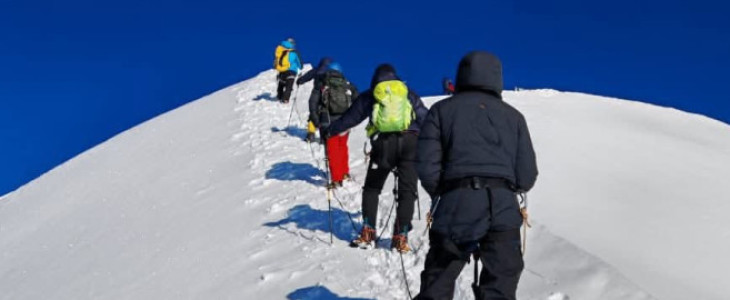
The adventure passes through picturesque Sherpa settlements, lush forests, rushing river valleys, alpine landscapes, and glacier-covered sections. As climbers approach the summit of Island Peak, they use technical equipment such as ropes, harnesses, crampons, and ice axes, making the climb an ideal choice for trekkers seeking introductory alpine climbing experience.
Sherpa Communities and Traditions
The trail passes through traditional Sherpa villages such as Dingboche and Chhukung, where visitors can observe local customs, warm hospitality, and the spiritual lifestyle deeply rooted in Himalayan Buddhism.
Spiritual Importance of the Himalayas
For the Sherpa people, the Himalayan peaks are sacred. Climbers are encouraged to respect local beliefs, monasteries, and mountain traditions throughout the expedition.
Buddhist Monuments Along the Trail
Trekkers encounter ancient chortens, mani stones carved with Buddhist mantras, and colorful prayer flags fluttering across the trails, symbolizing peace, compassion, and spiritual protection.
Local Festivals and Celebrations
The Everest region hosts vibrant festivals such as Mani Rimdu and Losar, where travelers can witness traditional masked dances, monastery rituals, and festive community gatherings that reflect the unique Sherpa heritage.
The Island Peak journey is not only an adventure in the mountains but also a culturally meaningful experience that introduces travelers to the traditions and spiritual values of the Himalayan communities.
Important Information for Island Peak Climbing
Physical Preparation
Good physical conditioning is essential for both trekking and climbing. Focus on improving stamina, endurance, and leg strength before the expedition.
Required Permits
Climbers need several permits including the Sagarmatha National Park Entry Permit, TIMS card, and the official Island Peak climbing permit.
Trekking and Climbing Equipment
Carry reliable trekking clothing, layered outfits for changing weather, strong hiking boots, and necessary climbing gear. Most technical climbing equipment is generally arranged by your trekking operator.
Communication and Connectivity
Internet and mobile coverage become limited at higher elevations. Satellite communication is often used in remote sections of the trek.
Meals and Drinking Water
Tea houses provide food and accommodation during the trek, while meals at base camp are typically prepared by expedition staff. Reusable water bottles and purification tablets are highly recommended.
Acclimatization and Altitude Safety
Proper acclimatization is crucial for reducing the risk of altitude sickness. Follow the itinerary carefully and monitor your health throughout the climb.
Experienced Guides and Porters
Hiring professional guides and porters through Adventure Aspirant Pvt Ltd helps ensure safety, comfort, and a more organized climbing experience.
With proper preparation and the right support team, the Island Peak climb becomes an extraordinary Himalayan adventure filled with natural beauty, cultural discovery, and personal achievement.
Difficulty of Everest Base Camp with Island Peak Climb
Many trekkers wonder whether they can successfully summit Island Peak after trekking to Everest Base Camp and how demanding the journey really is.
The Everest Base Camp with Island Peak Climb is considered a challenging adventure. Combining the classic EBC trek with a high-altitude peak climb requires strong physical fitness, endurance, and determination. It is an excellent choice for travelers seeking a more adventurous and exciting Himalayan experience beyond a standard trek.
However, with proper acclimatization, careful pacing, and support from experienced guides, the climb can be completed safely and successfully.
Accommodation & Meals
In Kathmandu, you’ll stay in a comfortable tourist-class hotel with all standard amenities. During the trek, accommodation will be in twin-shared rooms at traditional teahouses. While climbing, you’ll be provided twin-shared tents. Please note that teahouses in the Everest region are simple and modest, as the area is remote and less developed.
Your stay in Kathmandu includes daily breakfast, while on the trek you will receive three meals a day—breakfast and dinner at the teahouses, and lunch at a designated stop during the day’s hike. Meals include nutritious and locally sourced dishes, such as Nepali dal bhat, Tibetan soups, porridge, and traditional breads. Though the menu is limited, it’s clean, organic, and energizing.
Pre-Trip Briefing
Before the journey begins, you will attend a detailed orientation session, where you’ll receive an information pack and be introduced to your trekking guide. This briefing ensures you're well-prepared and informed.
Guides & Safety
Your safety is our top priority. We provide:
Experienced, licensed trekking guides fluent in English
Assistant guides for every 4 participants
One porter for every two trekkers
Certified climbing guides for peak ascents
Group sizes will determine staffing levels:
2–4 trekkers: 1 lead climbing guide and 1 assistant
5–8 trekkers: 1 lead and 2 assistants
9+ trekkers: 1 lead and 3 assistants
Additional staff includes a professional cook, Sherpa support, and technical assistants.
Please keep communication open with your guide. It's normal to feel anxious before or during the climb, and our trained staff is here to support you through the entire experience.
Certificate of Achievement
At the conclusion of your adventure, you'll receive an official Adventure Aspirant Certificate as well as a certificate from Nepal Mountaineering Association (NMA) as a keepsake of your accomplishment.
Group Size
Our group sizes generally range from 2 to 10 participants. Solo travelers are also welcome — we can tailor a plan to suit your needs. For larger groups (more than 10), we will customize logistics and itineraries accordingly.
Acclimatization Support
Trekking in high-altitude regions like Everest is both physically demanding and technically challenging. We design our itineraries to allow for gradual acclimatization, with appropriate rest days and manageable walking distances. Our guides are trained to recognize the signs of altitude sickness and take necessary precautions.
Preventing Altitude Sickness
To stay safe at elevation, we advise:
Carrying AMS (Acute Mountain Sickness) preventive medication
Consulting your doctor before the trip
Regularly informing your guide of how you feel
Trekking with the group to ensure mutual support
Travel Insurance
Comprehensive travel insurance is essential. Make sure it covers:
Trekking at high altitudes
Helicopter evacuation
Trip cancellation, delays, or interruptions
Lost or stolen baggage
Medical emergencies
We strongly recommend this for your safety and peace of mind.
Entry Permits & Fees
All necessary entry permits, park fees, and local government charges are included in the package. This includes:
Sagarmatha National Park entry fee
TIMS card
Climbing permit
Any restricted area entry charges
Flight Delays: Kathmandu – Lukla – Kathmandu
Flights to Lukla operate via Twin Otter or Dornier aircraft, which are reliable but subject to weather conditions. If flights are canceled due to weather or technical issues, we will arrange helicopter transfers to ensure you stay on schedule. Helicopters can operate in lower visibility (1500m) than planes (5000m).
The cost of helicopter evacuation will be paid directly to our office in Kathmandu. We accept USD cash, traveler’s cheques, and major credit cards (Visa/MasterCard). A receipt will be issued so you may claim reimbursement from your insurance.
Cost range: USD $500 – $3,500 depending on group size.
We recommend arriving in Kathmandu a day before your trek begins and keeping extra buffer days after your trek in case of weather-related delays.
Equipment Information
All your main luggage will be carried by porters, with a weight limit of 25 kg shared between two people. Domestic flights allow 15 kg per person, so pack smartly.
Additional gear or valuables not needed during the trek can be stored safely at the hotel in Kathmandu at no extra charge.
Personal Climbing Gear
Ice axe
Crampons
Climbing harness
2 tape slings
2 locking & 2 non-locking carabiners
Descender/abseil device
Mountaineering boots (plastic or insulated)
Ascender (jumar)
Optional: Helmet
Group Climbing Gear (Provided)
Ice screws
Snow bars
Climbing ropes
Ice hammer
Headwear
Buff or multifunctional headwear
Sun hat or neck scarf
Warm fleece cap or balaclava
Sunglasses with UV protection
Headlamp with extra batteries
Upper Body
Thermal or cotton T-shirts
Insulating fleece jacket
Waterproof and windproof outer shell
Down jacket (personal recommended, though we provide one for temporary use)
Lower Body
Lightweight trekking pants
Waterproof trousers
Thermal leggings
Footwear
Inner liner socks
Heavy trekking socks
Durable hiking boots
Camp shoes/slippers
Handwear
Waterproof gloves (Gore-Tex recommended)
Accessories
Sleeping bag rated to -20°C (personal preferred; we can provide one temporarily)
Trekking duffel or kit bag (waterproof and windproof)
Additional suitcase for stored items in Kathmandu
Large zip-lock or plastic bags to keep gear dry
Trekking poles (optional but useful)
Refillable water bottle or hydration pack
Quick-dry towel
Personal toiletries
Small sewing kit
Sunscreen, insect repellent, lip balm
Personal first-aid supplies (painkillers, antiseptics, anti-diarrheal, rehydration salts, personal meds)
Wet wipes
Reading material or travel journal
1- What is Island Peak?
Island Peak, locally known as Imja Tse, stands at an elevation of 6,189 meters (20,305 feet) in Nepal’s Everest region. The mountain earned its name because it appears like an isolated island rising above a vast sea of glaciers when viewed from Dingboche. It is one of Nepal’s most sought-after trekking peaks, blending adventurous high-altitude trekking with introductory mountaineering. From the summit, climbers enjoy breathtaking panoramas of famous Himalayan peaks such as Lhotse, Nuptse, Ama Dablam, and Makalu.
2- Where is Island Peak Situated?
Island Peak lies in the Khumbu area of eastern Nepal inside Sagarmatha National Park. The peak is positioned close to the village of Chhukung, southeast of Everest Base Camp and directly beneath the impressive southern face of Lhotse.
3- How Difficult is the Island Peak Climb?
Island Peak is regarded as a moderately technical Himalayan climb. Climbers should be comfortable using mountaineering equipment including crampons, ropes, harnesses, and ice axes. The ascent includes glacier crossings, crevasse sections that may involve ladders, and a steep ice slope of around 45 to 50 degrees leading to the summit ridge. Although achievable for physically fit trekkers, good preparation and professional guidance are highly important.
4- Is Previous Climbing Experience Necessary?
Prior mountaineering experience is beneficial but not mandatory for Island Peak. However, having a basic understanding of climbing techniques and equipment use can greatly improve safety and confidence. Many climbers receive training sessions at base camp before the summit attempt, which helps beginners prepare for glacier travel and rope work.
5- What is the Success Rate for Island Peak?
Island Peak generally has a success rate between 80% and 90% for climbers who follow proper acclimatization schedules and climb with qualified guides. Weather conditions, physical fitness, and altitude adaptation are major factors influencing summit success.
6- Why Choose Island Peak Over Lobuche or Mera Peak?
Island Peak is an excellent option for trekkers looking for a balance between trekking and technical climbing. Compared to Mera Peak, it offers a more hands-on mountaineering experience with glacier travel and fixed rope climbing. Compared to Lobuche Peak, it is often considered slightly more accessible while still delivering spectacular Himalayan scenery and cultural experiences along the Everest trail.
7- Managing Altitude Sickness During the Climb
Proper acclimatization is essential during the Island Peak expedition. Climbers should ascend gradually, remain hydrated, consume nutritious meals, and monitor symptoms such as headaches, fatigue, or dizziness. Medications like Diamox may assist acclimatization, but descending to a lower altitude is the safest response if symptoms become severe. Experienced guides play a key role in monitoring climbers’ health throughout the journey.
8- Essential Gear for Island Peak
Necessary climbing equipment includes a helmet, climbing harness, crampons, ice axe, ascenders, carabiners, slings, and appropriate climbing boots. Expedition teams generally provide ropes and technical safety equipment. Trekkers also need warm layered clothing, waterproof outerwear, trekking poles, backpacks, and a high-quality sleeping bag suitable for cold alpine conditions.
9- What Happens if Lukla Flights are Delayed?
Weather disruptions frequently affect flights to and from Lukla Airport. Delays or cancellations may require extra waiting time in Kathmandu or Lukla until conditions improve. In some cases, helicopter transfers are available at an additional cost. Adventure Aspirant Pvt Ltd
assists climbers with flight rescheduling, logistics, and alternative transportation arrangements whenever necessary.
10- Permits Required for Island Peak
To climb Island Peak, trekkers need several permits including the Island Peak Climbing Permit, the Sagarmatha National Park Entry Permit, and the Khumbu Pasang Lhamu Rural Municipality Permit. These permits are usually organized by Adventure Aspirant Pvt Ltd
as part of the expedition package.
11- Can the Itinerary Be Shortened?
Yes, the Island Peak itinerary can be customized according to available time. Some trekkers choose to reduce acclimatization days or arrange helicopter returns from Chhukung or Lukla. However, maintaining enough acclimatization time is strongly recommended for safety at high altitude.
12- Can I Rent Climbing Gear?
Climbing and trekking equipment can be rented both in Kathmandu and in parts of the Khumbu region. Kathmandu generally offers better-quality gear and more rental choices, while some local villages also provide basic mountaineering equipment for convenience.
13- Is Travel Insurance Necessary?
Comprehensive travel insurance is mandatory for Island Peak expeditions. Insurance coverage should include high-altitude trekking up to at least 6,500 meters, emergency helicopter evacuation, medical treatment, trip interruptions, and loss or theft of personal belongings.
14- Symptoms of Altitude Sickness
Common symptoms of altitude sickness include headaches, nausea, dizziness, fatigue, breathing difficulty, and trouble sleeping. More serious conditions such as HAPE or HACE may cause confusion, severe breathlessness, vomiting, or difficulty walking. Immediate descent and medical attention are critical in such cases.
15- Tips to Prevent Altitude Sickness
Trekkers can reduce the risk of altitude sickness by ascending slowly, staying hydrated, eating nutritious meals, avoiding alcohol and smoking, and following proper acclimatization schedules. Maintaining a comfortable trekking pace and listening to your body are equally important during the expedition.
16- Medication for Altitude Sickness
Acetazolamide, commonly known as Diamox, is widely used to help the body adapt more effectively to high altitudes. Climbers should consult a medical professional before using any medication.
17- How Long Does the Summit Push Take?
The summit journey from Island Peak Base Camp usually takes around 8 to 10 hours in total. Climbers generally spend 6 to 8 hours ascending to the summit and another 5 to 7 hours descending back to base camp, depending on weather, route conditions, and individual pace.
The given cost are per person and exclude international flights. Given below are the departure dates available for online booking. If the given date is not favorable then please contact us and we will happily customize your trip on dates more appropriate for you.
Note: If your group size is of more than 1 pax then you can set your own departure date.
| Start Date | Trip Price | Discount | Discounted Price | Action |
|---|
USD2498pp
Duration : 20 Days