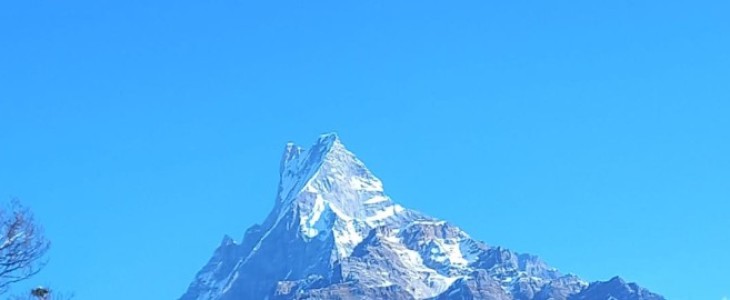
Mardi Himal Trek – A Hidden Gem in the Annapurna Region
Discover the untouched beauty of the Himalayas with Adventure Aspirant on the 9-day Mardi Himal Trek—a serene and less-traveled route nestled in the heart of Nepal’s Annapurna region.
Standing proudly at 5,587 meters (18,330 feet), Mardi Himal offers breathtaking panoramas, from lush rhododendron forests and terraced fields to rugged alpine landscapes and snow-draped peaks. Unlike the busier Annapurna Base Camp trail, this hidden gem invites you to enjoy the peace and raw beauty of the mountains in solitude.
Along the way, you'll walk through charming villages and interact with the Gurung and Magar communities, gaining insight into their rich culture and traditions. The warmth and hospitality of the locals will make your journey not just memorable, but deeply meaningful.
Whether you're a seasoned trekker or an enthusiastic beginner with moderate fitness, the Mardi Himal Trek is the perfect opportunity to explore the majestic Himalayas up close—without the crowds.
Why Trek with Adventure Aspirant?
Expert local guides with deep regional knowledge
Carefully curated itineraries balancing adventure and comfort
Authentic cultural encounters
Responsible, eco-conscious trekking practices
Join Adventure Aspirant on this incredible Himalayan journey—and let the spirit of the mountains inspire your soul.
Day 1: Arrival in Kathmandu (1400m)
Upon your arrival in Nepal, a warm welcome awaits you from Adventure Aspirant — either by our company owner or one of our friendly representatives who will be at the airport holding a sign with your name. They will assist you and transfer you to your hotel. After you have freshened up and settled in, we’ll arrange a meeting at a mutually convenient time and location to give you a comprehensive briefing about your upcoming trek. To begin your trekking adventure on a delightful note, we’ll take you to a traditional Nepali restaurant for a welcome dinner. This meal will introduce you to authentic Nepali cuisine and offer an opportunity to meet your fellow trekkers and the Adventure Aspirant team. After a pleasant evening, you’ll spend the night in Kathmandu, preparing for the thrilling journey ahead.
Day 2: Drive to Pokhara (827m)
We will provide transportation to Pokhara in a comfortable tourist coach. Though the drive is long, it is a rewarding experience as you witness Nepal’s scenic countryside. Along the way, enjoy breathtaking views of flowing rivers and lush green hills. Upon arrival in Pokhara, you’ll check into a hotel to unwind and refresh. This beautiful city is renowned for its natural charm and tranquil vibe. Explore the peaceful lakes, vibrant streets, and panoramic mountain views. Immerse yourself in Pokhara’s serene atmosphere before your trek begins. Overnight stay in Pokhara.
Day 3: Drive to Kande and Trek to Deurali (2110m)
After a hearty breakfast, we’ll drive about 45 minutes in a private vehicle to the starting point of our trek. Our trail leads us through lush jungle paths and quaint local villages. We’ll pause for lunch at Australian Camp, offering stunning views of the Annapurna range if the weather is clear. After lunch, we continue on a gradual climb toward Pitam Deurali, where we’ll stop for the night. Relax and enjoy the peaceful surroundings as you reflect on the day’s journey.
Day 4: Trek to Low Camp (3050m)
Leaving Pitam Deurali, we venture away from the main Annapurna Base Camp route. Our peaceful trail winds through forests of rhododendron, oak, and maple, rich in biodiversity and beauty. We pass Forest Camp on our way to Low Camp, where a cozy lodge with a warm fire awaits. This restful stop will recharge us for the journey ahead.
Day 5: Hike to High Camp (3600m)
A one-hour uphill trek brings us to Mid Camp, where the forest gives way to open meadows. After a short ascent, we reach Badal Danda, a scenic viewpoint with stunning sights of Machapuchhre, Annapurna South, Himchuli, and Gangapurna. The trail continues along a ridge with breathtaking panoramas until we arrive at High Camp, our home for the night nestled in the pristine alpine environment.
Day 6: Trek to Mardi Himal Base Camp (4500m) and Back to Badal Danda (3900m)
We push onward to Mardi Himal Base Camp via a rocky and steep trail, which takes around 3 hours. At 4500m, the base camp offers extraordinary views of the Annapurna giants and Mardi Himal itself. After savoring the moment, we descend back to Badal Danda for the night. The tranquil environment here provides the perfect backdrop to unwind and reflect on the day’s achievement.
Day 7: Trek to Siding (1700m) and Drive to Pokhara (827m)
After breakfast, we descend for about 4 hours to reach Siding village. Surrounded by lush forests and charming landscapes, this part of the trek is filled with natural beauty. Once in Siding, we’ll enjoy lunch before embarking on a 3-hour drive back to Pokhara. You’ll have the freedom to select your own hotel for the night and relax at your own pace.
Day 8: Drive Back to Kathmandu (1400m)
We journey back to Kathmandu by tourist coach, passing through beautiful valleys, rivers, and villages. It’s a scenic and reflective ride back after days of trekking through the Himalayas. Once in Kathmandu, you’ll be transferred to your hotel. In the evening, join us for a farewell dinner hosted by Adventure Aspirant, celebrating your successful trek and new friendships formed along the way. Overnight in Kathmandu.
Day 9: Final Departure from Kathmandu
A representative from Adventure Aspirant will escort you to the airport for your flight home, based on your schedule. You leave with unforgettable memories of your Mardi Himal trek and the beauty of Nepal. We hope to welcome you back again in the future for more adventures with Adventure Aspirant.
Food During the Mardi Himal Trek
Meals on the Mardi Himal route follow the standards set by the Annapurna Conservation Area, ensuring consistent quality and hygiene across teahouses. Most lodges provide a similar menu, so trekkers can rely on familiar and safe food choices throughout the journey.
The most common and recommended dish is dal bhat—a traditional Nepali meal consisting of rice, lentil soup, and vegetables. It’s nutritious, filling, and often comes with free refills, making it ideal for long trekking days.
In addition, you’ll find options such as fried rice, noodles, soups, pasta, pancakes, and eggs. Hot drinks like tea, coffee, hot lemon, and hot chocolate are widely available. As you ascend higher, prices gradually increase since supplies are transported by porters or pack animals. Meals at places like High Camp are therefore slightly more expensive.
All food is prepared fresh to order, often using local ingredients. While simple, the meals are warm, satisfying, and reflect the authentic hospitality of the mountains.
With Adventure Aspirant Pvt Ltd, three daily meals—breakfast, lunch, and dinner—are provided during the trek, along with hot beverages after each meal. Extra snacks or drinks can be purchased directly at the lodges if desired.
Loud Music Restrictions on the Trail
Beyond the Pothana checkpoint, loud music is not allowed along the Mardi Himal trail. This regulation is enforced to protect the peaceful environment and natural ecosystem of the region.
The trek is known for its calm and serene atmosphere, where the sounds of nature—rustling leaves, birdsong, and footsteps—create a unique experience. Playing loud music can disturb wildlife and disrupt the tranquility that makes this journey special.
Trekkers are encouraged to respect this rule and enjoy the quiet beauty of the surroundings.
Accommodation on the Mardi Himal Trek
Lodging along the route is basic yet comfortable, mostly in small, family-operated teahouses. Rooms typically include twin beds, blankets, and shared bathroom facilities. Electricity and Wi-Fi are available in lower areas, but become limited as you move higher.
Due to restrictions on the number of rooms in each lodge, availability can be tight during busy seasons like spring and autumn. In peak times, room sharing may be necessary, and occasionally trekkers might sleep in common dining areas. Booking in advance is highly recommended.
At higher locations such as High Camp, rooms are often charged per bed rather than per room due to limited space. Despite simple facilities, the welcoming atmosphere and mountain views make the stay memorable.
Mountain Views Along the Trek
The Mardi Himal Trek offers some of the most impressive scenery in the Annapurna region. Throughout the journey, trekkers are treated to stunning views of towering peaks that feel incredibly close.
Major highlights include Annapurna South (7,219 m), Hiunchuli (6,441 m), Machhapuchhre (6,993 m), and Mardi Himal (5,587 m). These peaks create a dramatic skyline that changes beautifully with the light throughout the day.
Viewpoints like Deurali, Low Camp, and especially High Camp provide breathtaking panoramas. The iconic Machhapuchhre peak stands out prominently, particularly during sunrise and sunset when the mountains glow in golden and pink hues.
From the Mardi Himal Viewpoint and the trail toward Base Camp, the scenery becomes even more spectacular, offering a close-up experience of the Himalayan landscape.
Difficulty Level of the Trek
The Mardi Himal Trek is considered moderately challenging, suitable for those with a reasonable level of fitness. While no technical climbing is required, certain sections—especially steep climbs and descents—can be physically demanding.
The trail gains elevation gradually, helping trekkers adjust to the altitude. The highest point is the Mardi Himal Viewpoint, with an optional extension to Base Camp at around 4,500 meters.
For beginners, maintaining a steady pace, staying hydrated, and taking regular breaks are essential. With basic preparation, the trek is achievable and highly rewarding.
Best Time to Trek
Spring (March–May):
One of the most beautiful seasons, with blooming rhododendrons and colorful landscapes. Weather is mild, and mornings usually offer clear mountain views.
Autumn (September–November):
The most popular trekking season, featuring clear skies, stable weather, and excellent visibility. Trails are dry, and mountain views are at their best.
Winter (December–February):
Suitable for those seeking solitude. Expect cold temperatures and possible snowfall, especially at higher elevations. Proper winter gear is essential.
Monsoon (June–August):
Less ideal due to heavy rain, muddy trails, and leeches. However, the landscape becomes lush and green, offering a quieter trekking experience.
Overall, spring and autumn provide the best balance of weather, scenery, and comfort.
Flora and Fauna on Mardi Himal Trek
The Mardi Himal trail passes through diverse ecosystems, changing noticeably as you gain altitude.
Lower sections feature dense forests of rhododendron, oak, and maple. In spring, these forests come alive with vibrant blooms. Ferns, mosses, and orchids thrive in this moist environment.
Higher up, vegetation becomes sparse, with alpine shrubs and grasslands replacing the forests. These areas are often home to grazing animals like yaks.
Wildlife includes a variety of birds such as the Danphe (Nepal’s national bird), along with pheasants and other Himalayan species. Trekkers may also encounter animals like langurs, hares, and occasionally musk deer.
People and Culture on Mardi Himal Trek
The trek passes through villages inhabited mainly by Gurung and Magar communities, known for their rich traditions and warm hospitality.
Villages like Dhampus, Deurali, and Siding showcase traditional lifestyles, with stone houses, terraced fields, and daily rural activities. Visitors are often welcomed with local meals and tea.
These communities have a deep spiritual connection with the mountains. Machhapuchhre, in particular, is considered sacred and remains unclimbed. Their respect for nature is reflected in their way of life, creating a harmonious balance between culture and environment.
Is Mardi Himal Trek Suitable for Beginners? (2026/27)
Yes, beginners can successfully complete the Mardi Himal Trek with proper preparation. The route is relatively short, with gradual elevation gain and manageable daily walking distances.
Although no technical skills are required, some sections—especially near High Camp—can be steep and require effort. Regular exercise, hiking practice, and basic fitness training will help prepare for the trek.
With Adventure Aspirant Pvt Ltd, guided treks provide added safety, navigation, and local insights. Porters can also be arranged to carry heavy gear, making the journey more comfortable.
The combination of accessible trails, fewer crowds, and stunning mountain views makes Mardi Himal an excellent choice for first-time trekkers in Nepal.
Head Gear
Multifunctional buff or neck gaiter
Sun cap, wide-brim hat, or headscarf
Lightweight balaclava or insulated wool/fleece hat
UV-protection sunglasses
Headlamp or flashlight with batteries
Upper Body Clothing
Breathable T-shirts or thermal base layers
Warm fleece or insulating jacket
Waterproof and wind-resistant outer shell
Down jacket (bringing your own is highly recommended; Adventure Aspirant Pvt Ltd will provide one on rental basis, which must be returned after the trek)
Lower Body Clothing
Lightweight trekking trousers
Waterproof over-trousers
Thermal base layer bottoms
Footwear
Lightweight liner socks
Thick wool hiking socks for warmth
Sturdy and comfortable trekking boots
Casual shoes, sandals, or slippers for use after trekking
Hand Protection
Insulated waterproof gloves (such as Gore-Tex or similar)
Accessories & Essentials
Sleeping bag suitable for temperatures around -20°C (personal one is recommended; rental available through Adventure Aspirant Pvt Ltd and must be returned after use)
Trekking duffel bag (provided), plus an additional suitcase or bag for storage in Kathmandu
Waterproof covers or plastic liners to keep gear dry
Trekking poles (optional but beneficial)
Reusable water bottle or hydration bladder
Personal toiletries and hygiene items
Quick-dry towel
Basic repair kit (needle, thread, etc.)
Sunscreen, insect repellent, and lip balm
Personal first-aid kit (including pain relievers, bandages, antihistamines, and medication for stomach issues)
Electrolyte or rehydration salts, along with any personal medications
Wet wipes or tissues
Books, journal, or other light entertainment items
1- Can I obtain a visa on arrival in Nepal?
Yes, travelers from most countries are eligible for a visa on arrival in Nepal. To save time at the airport, it’s helpful to complete the online application form in advance. Make sure your passport is valid for at least six months from your entry date and has a blank page for the visa stamp. Payment can be made using cash or card at the airport. A passport photo is generally not required for the process.
2- Do you provide airport pickup and drop-off?
Yes, Adventure Aspirant Pvt Ltd includes airport transfers as part of every Mardi Himal trekking package at no extra cost. Upon arrival, a representative will be waiting at the airport holding a sign with your name, making it easy to find.
At the end of your trip, we also arrange your transfer to the airport, typically about three hours before your flight. Whether your schedule changes or you extend your stay, we adjust the timing accordingly.
3- Where will I stay in Kathmandu? Can I upgrade my hotel?
Your package includes accommodation in comfortable 3-star hotels in both Kathmandu and Pokhara. If you prefer a more luxurious stay, upgrades to 4-star or 5-star hotels can be arranged upon request. The additional cost depends on the hotel and room type you select.
4- What is the cost for an extra night in Kathmandu?
Additional nights in Kathmandu are available at reasonable rates. On average, a single room costs around USD 45 per night, while a twin or double room is approximately USD 50 per night. These rates typically include breakfast and applicable taxes.
5- What happens during the pre-trek briefing?
Before starting your trek, you’ll attend a briefing session in Kathmandu. During this meeting, you’ll meet your guide, complete any necessary documentation, and provide copies of your travel insurance.
Your guide will also review your trekking gear to ensure everything is properly prepared. Essential equipment such as a down jacket, sleeping bag, trekking map, duffel bag, and cap will be provided if needed. This is also a great time to ask questions or discuss any special requirements.
6- How difficult is the Mardi Himal Trek?
The Mardi Himal Trek is generally rated as easy to moderate, making it suitable for most people with a basic level of fitness. Daily walking distances are manageable, and the itinerary is designed for a comfortable pace.
While previous trekking experience is not mandatory, staying active through walking, running, or gym workouts will make the journey easier and more enjoyable.
7- What is the total distance of the trek?
The Mardi Himal route covers approximately 47 to 50 kilometers in total. The trek begins at Kande and ends at Siding, passing through scenic locations such as Deurali, Forest Camp, and High Camp.
The highest point reached is the 4500 meters at Mardi Himal Base Camp above Upper Viewpoint 4,200 meters, offering stunning panoramic views of the Annapurna range and surrounding peaks.
8- Is there an age restriction for this trek?
There is no strict age limit for the Mardi Himal Trek. People of various age groups, from young children to older adults, have successfully completed it. The most important factors are overall health, fitness, and enthusiasm for trekking. Children should always be accompanied by a parent or guardian.
9- How should I prepare for the trek physically?
It’s recommended to begin preparing at least 4–6 weeks before your trek. Focus on improving cardiovascular fitness through activities like walking, jogging, cycling, or stair climbing.
Practicing longer hikes with a backpack will help build endurance and simulate real trekking conditions. Breaking in your hiking boots beforehand is also important to avoid discomfort during the trek.
Mental readiness is equally important—staying positive and motivated will help you enjoy the journey and reach your goal successfully.
10- How can I reduce the risk of altitude sickness on the Mardi Himal Trek?
Minimizing the chances of altitude sickness begins with moving at a slow and steady pace, allowing your body enough time to adapt to increasing elevation. Proper hydration is essential—aim to drink around 4–5 liters of water each day to keep your body functioning well at altitude.
It’s best to avoid alcohol during the trek, as it can dehydrate you and make acclimatization more difficult. The itinerary designed by Adventure Aspirant Pvt Ltd includes adequate rest periods to support gradual adjustment. If you notice symptoms such as headaches, nausea, dizziness, or unusual tiredness, inform your guide immediately.
Our experienced guides regularly check trekkers for early signs of altitude-related issues, including monitoring oxygen levels when needed. They are trained to respond quickly and take necessary action. In rare cases of serious complications, emergency evacuation, including helicopter rescue, can be arranged to ensure your safety.
The given cost are per person and exclude international flights. Given below are the departure dates available for online booking. If the given date is not favorable then please contact us and we will happily customize your trip on dates more appropriate for you.
Note: If your group size is of more than 1 pax then you can set your own departure date.
| Start Date | Trip Price | Discount | Discounted Price | Action |
|---|
USD569pp
Duration : 9 Days
From USD 1649
Duration: 17 Days
View Details