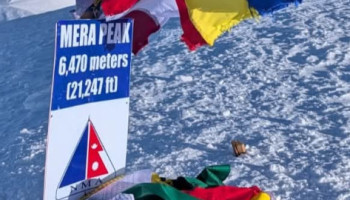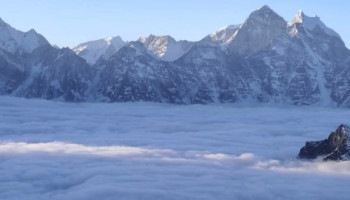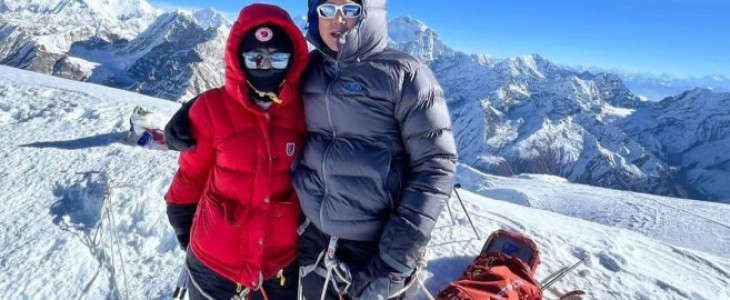
The 12 Days Rapid Mera Peak Climb is an exhilarating high-altitude expedition tailored for experienced trekkers and mountaineers with limited time. This fast-paced itinerary condenses the classic route into a dynamic adventure — taking you from the iconic Lukla airstrip to the summit of Mera Peak (6,476m) and back, all in just under two weeks.
Perfect for fit and acclimatized adventurers, this climb offers the thrill of alpine terrain, spectacular Himalayan views, and a summit experience that rivals longer expeditions.
Why Choose Rapid Mera Peak Climb?
Designed for physically fit trekkers looking for a condensed alpine experience.
Guided by expert climbing leaders and a reliable support crew.
Provides all necessary technical training (crampon, axe, rope use) en route or at base camp.
Stunning summit panorama of five 8000m giants: Everest, Lhotse, Makalu, Cho Oyu, and Kangchenjunga.
A rare blend of cultural immersion and extreme mountain wilderness in a short timeframe.
Trip Highlights:
Direct scenic flight to and from Lukla.
Rapid ascent with professional acclimatization strategy.
Explore Himalayan settlements and glacial valleys.
Technically moderate climb with rope, ice, and snow travel.
Epic views from the summit of Mera Peak at 6,476 meters.
Capture panoramic vistas of Everest, Lhotse, Nuptse, Makalu, Ama Dablam, and more.
Day 01: Kathmandu to Lukla (2,800m), Trek to Chuthunga (3,440m) – Approx. 4 hours trek
We begin our adventure with an early morning scenic flight from Kathmandu to Lukla, a thrilling 30-minute journey offering aerial views of terraced hills and towering Himalayan peaks. From Lukla, we start our trek with a steady climb to Chuthunga. Overnight stay at a local guesthouse.
Day 02: Trek from Chuthunga to Thuli Kharka (3,900m) via Zatrwa La Pass (4,610m) – Around 6 hours
Post breakfast, we prepare for a challenging day with a packed lunch and ascend steadily. We traverse a ridgeline of the Nau Lekh range, marking our entry into the remote Hinku Valley. Crossing Zatrwa La Pass at 4,610 meters, we are greeted by jaw-dropping views of the Limding Himal on clear days. Overnight at a mountain lodge in Thuli Kharka.
Day 03: Thuli Kharka to Kothe (3,600m) – About 5 hours
We descend through pine and rhododendron forests, crossing several ridges. After a few hours, we reach Thulodunga for a well-earned lunch. We continue downhill to the Hinku River, then ascend through woodland trails to Kothe, a small riverside settlement offering trekkers basic comforts. Overnight in Kothe.
Day 04: Kothe to Thaknak (4,350m) – 5 hours
Following breakfast, we proceed along the riverbank on a steady uphill path. Vegetation becomes sparse as we gain elevation, transitioning to alpine conditions. En route, we pass a small monastery before reaching Thaknak, a seasonal grazing area with teahouses offering basic services. Overnight at a guesthouse.
Day 05: Thaknak to Khare (5,045m) – Approx. 5 hours
The trail gradually ascends through rocky terrain with stunning views of surrounding peaks. Although not overly steep, the altitude makes this stretch physically demanding. Khare lies in a wide, open space and serves as the base for Mera Peak. Here, we check gear and receive basic mountaineering instruction. Overnight at guesthouse.
Day 06: Acclimatization and Training Day in Khare
To adapt to the high altitude, we take a rest day in Khare. Short acclimatization hikes are combined with a training session led by your climbing guide, covering techniques like rope use, cramponing, and ice axe handling. Overnight at a lodge.
Day 07: Trek to High Camp (5,780m) – Approx. 5.5 hours
After breakfast, we begin our ascent toward High Camp. Soon after, we reach the snowline and don our climbing gear. The path leads us through Mera La Pass before arriving at a sheltered campsite behind a large rock outcrop—our resting spot at nearly 5,800 meters. Overnight in tents.
Day 08: Summit Day – Mera Peak (6,476m) and return to Khare – 9 to 10 hours
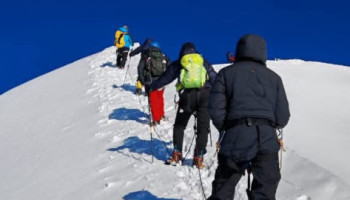
We begin our summit push before dawn, around 1 AM. Equipped with headlamps and climbing gear, we ascend gradually toward the top of Mera Peak. The final section involves a fixed rope for the last steep incline. From the summit, enjoy sweeping vistas of Everest, Lhotse, Makalu, Kanchenjunga, and more. After photos and celebrations, we descend back to Khare. Overnight at guesthouse.
Day 09: Khare to Kothe – Approximately 6 hours
We retrace our steps through Thaknak and descend back into lower altitudes. A scenic walk brings us back to Kothe where we rest and recuperate. Overnight stay at a lodge.
Day 10: Kothe to Thuli Kharka – Around 7 hours
Today, we climb back through the forested trails toward Thuli Kharka, following the familiar path. A long but beautiful day of walking brings us closer to the end of our journey. Overnight in a mountain lodge.
Day 11: Thuli Kharka to Lukla – Around 7 hours
Crossing the Zatrwa La Pass again, we make our final descent toward Lukla. Upon arrival, we celebrate the completion of the trek and prepare for the flight back. Overnight in Lukla.
Day 12: Fly back to Kathmandu
We take an early morning flight back to the capital. After checking in at the hotel, the rest of the day is free for leisure, shopping, or simply relaxing. In the evening, enjoy a farewell meal with the group to mark the end of this epic Himalayan adventure. Overnight at hotel in Kathmandu.
Difficulty Level and Fitness Requirements for Mera Peak Climbing
Mera Peak is among Nepal’s most well-known trekking peaks, attracting adventure seekers looking for a rewarding Himalayan experience. Rising to an elevation of 6,476 meters (21,247 feet), it is recognized as the highest trekking peak in Nepal. Although the climb is considered non-technical compared to major expedition peaks, the extreme altitude, demanding terrain, and harsh mountain weather make it a physically challenging journey.
How Challenging is Mera Peak?
Mera Peak climbing is generally rated as moderately difficult. Advanced mountaineering expertise is not essential, but trekkers must be prepared for long days of hiking, icy conditions, and high-altitude environments. The route involves glacier crossings, steep snowy sections, and rugged mountain trails, especially around the high camp area at approximately 5,800 meters.
One of the main difficulties during the expedition is altitude sickness, which can affect climbers regardless of experience level. Success on Mera Peak depends heavily on physical conditioning, mental resilience, and proper acclimatization. With adequate preparation and guidance from experienced professionals, many determined trekkers successfully reach the summit.
Personal Climbing Equipment
Ice Axe
Crampons
Climbing Harness
Tape Slings (2 units)
Locking Carabiners (2) and Non-locking Carabiners (2)
Abseil/Belay Device
Insulated Mountaineering Boots (plastic or hybrid)
Ascender (Jumar)
Climbing Helmet (optional but recommended)
Group Climbing Equipment (provided by the team)
Snow Bar
Ice Hammer
Mountaineering Rope
Ice Screws
Headgear
Multifunctional neck gaiter or buff
Sun hat or wide-brimmed cap
Light balaclava or fleece beanie
UV-protective sunglasses
Headlamp with spare batteries
Upper Body Clothing
Moisture-wicking T-shirts or thermal tops
Fleece or softshell jacket
Waterproof and windproof shell jacket
Down jacket for cold temperatures (personal use recommended)
Lower Body Clothing
Lightweight trekking trousers
Waterproof over-pants
Thermal bottoms or base layers
Footwear
Thin liner socks
Thick woolen hiking socks
Durable trekking boots (well broken-in)
Casual shoes or slippers for use in lodges
Handwear
Insulated and waterproof gloves (Gore-Tex or similar)
Accessories
Four-season sleeping bag rated to at least -20°C (recommended to bring your own)
Trekking or duffel bag for the trail (water- and dust-resistant bag provided during the trip)
Extra duffel bag or suitcase for storing personal items in Kathmandu
Heavy-duty plastic bags or dry sacks (for organizing and waterproofing gear inside your bag)
Trekking poles (optional but highly recommended)
Refillable water bottle or hydration bladder
Personal toiletries
Quick-dry towel
Small sewing kit
Sunscreen, insect repellent, and lip balm
Personal first-aid kit: should include items such as lip balm, ibuprofen, adhesive bandages, antihistamines, anti-diarrheal medication (e.g., Imodium), rehydration salts, and any prescription medications
Wet wipes or biodegradable cleansing wipes
Notebook, book, or journal for downtime
Proper preparation is key for an enjoyable and safe experience in the Himalayas. Our team will provide detailed gear guidance upon booking, and you’ll also have the option to rent technical equipment in Kathmandu if needed.
1- What is Mera Peak and why is it renowned?
Mera Peak, standing tall at 6,476 meters, is the tallest trekking peak in Nepal. Nestled in the secluded Hinku Valley within the Everest region, it draws adventurers with its unparalleled vistas of five of the world’s highest mountains—Everest, Lhotse, Cho Oyu, Makalu, and Kanchenjunga. Its fame lies in offering a true Himalayan climbing experience without requiring extensive technical skills, making it an ideal choice for fit individuals eager to venture into high-altitude mountaineering.
2- When is the ideal season to climb Mera Peak?
The most favorable periods for summiting Mera Peak are during spring (March to May) and autumn (September to November). These seasons offer the most stable weather, clear skies, and incredible mountain visibility. Summer months (June to August) bring heavy rainfall and slippery trails, while winter (late December to February) can be extremely cold with significant snowfall, increasing difficulty and risk.
3- Is Mera Peak suitable for first-time climbers?
Yes, Mera Peak is classified as a trekking peak, meaning it doesn’t require advanced technical climbing skills. It’s ideal for adventurous beginners in good physical condition. While glacier walking and use of equipment like crampons and harnesses are involved, prior experience isn't mandatory. Our experienced climbing guides provide basic training at Khare to ensure you're confident with safety techniques before attempting the summit.
4- What elevation is reached on this expedition?
The trek's highest point is Mera Peak’s summit at 6,476 meters (21,247 feet). Much of the journey takes place above 3,500 meters, requiring proper acclimatization. Our itinerary is structured to help your body adjust gradually to the altitude, significantly reducing the chances of altitude-related illness.
5- How many hours will I walk each day?
You’ll typically trek 4 to 7 hours per day on most days, depending on trail conditions and altitude. Summit day is the most demanding, with up to 10–12 hours of climbing and descending. Regular breaks are included to allow for rest, meals, and photo opportunities, and your guide will maintain a manageable pace for the group.
6- What kind of lodging is available during the trek?
Accommodation along the route consists of local teahouses offering simple twin-sharing rooms and basic amenities. These lodges provide a welcoming environment and freshly prepared meals. Before the summit attempt, you’ll spend a night in a tented camp at High Camp, equipped with warm sleeping bags and insulated mats. Facilities become more minimal at higher altitudes, but your safety and hygiene remain our priority throughout the trip.
7- What meals are served during the trek?
Nutritional meals are served daily to fuel your trek. You can expect a combination of local Nepali cuisine like dal bhat (rice with lentils and vegetables), and familiar Western dishes such as pasta, noodles, soups, pancakes, and fried rice. Warm beverages including herbal teas, coffee, and ginger honey lemon are available regularly. We prioritize cleanliness and a balanced diet to support your physical performance at altitude.
8- Is altitude sickness a risk?
Yes, ascending to high elevations always carries the possibility of Acute Mountain Sickness (AMS). Our program includes gradual ascent and rest days to support proper acclimatization. Our guides are trained in recognizing and responding to altitude symptoms and carry essential medical supplies, including oxygen. In rare cases, emergency evacuation is arranged. Staying hydrated, avoiding alcohol, and communicating symptoms early are vital.
9- Do I need mountaineering experience?
No previous technical climbing experience is required, although it’s helpful. Mera Peak is well-suited for those new to mountaineering. At Khare, our guides will offer practical instruction on how to use climbing gear such as ropes, harnesses, crampons, and ice axes, ensuring you're well-prepared for glacier travel and summit day.
10- Are permits necessary for this climb?
Yes, multiple permits are required, all of which are arranged on your behalf as part of our package. These include the Mera Peak climbing permit, Makalu Barun National Park entry, a local area permit, and the TIMS card (Trekkers' Information Management System). You won’t need to worry about the paperwork—our team handles all the logistics.
11- What gear will I need?
You’ll need proper trekking and climbing equipment, including layered clothing, a down jacket, waterproof outerwear, warm gloves, mountain boots, and UV-protective sunglasses. For the summit push, essential climbing gear includes a helmet, harness, crampons, ice axe, and headlamp with batteries. We provide a detailed gear checklist after booking and offer rental options in Kathmandu to help lighten your load.
12- How should I train for the expedition?
Start preparing at least 8–12 weeks before your departure. Focus on cardiovascular fitness (hiking, jogging, cycling), leg and core strength training, and long hikes with a loaded backpack. If possible, include high-altitude trekking or stair climbing to condition your body. A strong fitness base greatly enhances your experience and chance of success.
13- Is travel insurance required?
Absolutely. Travel insurance is compulsory, and it must include coverage for high-altitude activities (up to 6,500m), helicopter rescue, and emergency medical treatment. Always carry a printed copy of your policy. In the unlikely event of an emergency, insurance ensures prompt evacuation and appropriate care.
14- What happens if Lukla flights are delayed or canceled?
Flights to and from Lukla are subject to weather-related delays. If that happens, we’ll coordinate rescheduling or offer helicopter alternatives (extra charges may apply if not covered by your insurance). We strongly recommend allowing 1–2 buffer days in your travel plans to avoid missing outbound international flights.
15- Can I customize my trip or join a group?
Yes! We offer private departures and group expeditions. Whether you’re a solo traveler, couple, or group of friends, we can personalize your itinerary based on your schedule, fitness level, and preferences. We also provide group discounts for multiple participants.
16- How do I book, and what support is available?
Booking your adventure is easy. Visit our website to complete the booking form, or reach out via email or WhatsApp. Once confirmed, we’ll assist you with every step—from gear planning and training tips to visa support and local arrangements. Our team is available 24/7 to answer your questions and help you prepare for this unforgettable Himalayan journey.
17- Equipment Checklist for Mera Peak Expedition
If you're planning to book your Mera Peak adventure with Adventure Aspirant Pvt Ltd. and wondering what gear you'll need, we've prepared a helpful checklist to guide your packing. This list covers all essential items for both trekking and climbing. Feel free to adjust it according to your preferences or needs.
If you’re unable to find some items locally or are short on time before departing for Nepal, don’t worry—most of the necessary gear can be easily purchased or rented in Kathmandu.
Note: Porters will carry the majority of your luggage (maximum 25 kg per porter for every two trekkers). You are responsible for your daypack only, so please pack mindfully.
Domestic flights have a 15 kg per person baggage allowance. Any non-essential items for the trek can be stored securely at the hotel in Kathmandu free of charge.
The given cost are per person and exclude international flights. Given below are the departure dates available for online booking. If the given date is not favorable then please contact us and we will happily customize your trip on dates more appropriate for you.
Note: If your group size is of more than 1 pax then you can set your own departure date.
| Start Date | Trip Price | Discount | Discounted Price | Action |
|---|
USD2298pp
Duration : 12 Days
From USD 2498
Duration: 20 Days
View Details