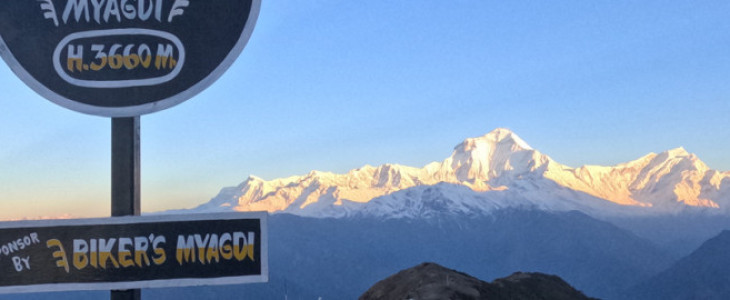
The Khopra Danda Trek is an ideal journey for those seeking a moderately challenging trek away from the busy and commercialized routes of the Annapurna region. This off-the-beaten-path adventure is perfect for explorers who prefer a quieter, more natural trail. Officially opened only a few years ago, this trail offers an authentic trekking experience through unspoiled Himalayan landscapes.
Following serene and less-traveled paths, this trek rewards you with breathtaking views of the Annapurna range and other towering peaks like Dhaulagiri (8,167m / 26,795 ft) and Hiunchuli (6,441m / 21,132 ft). The final destination, Khopra Danda (3,660m / 12,008 ft), provides a jaw-dropping panoramic viewpoint of the surrounding mountain scenery.
Along the trail, you’ll stay in charming teahouses that offer cozy accommodations, hearty meals, and incredible mountain vistas. In spring, the blooming rhododendron forests and lush alpine vegetation add vibrant color to the journey, making every step a visual delight.
The region is also rich in biodiversity, home to various endangered species. More than just natural beauty, this trek offers an immersive cultural experience. Villages along the way are inhabited by warm and welcoming communities such as the Gurung, Magar, and Chhetri, living together in harmony. You’ll be captivated by their hospitality, traditions, and daily lifestyles.
As you pass through terraced paddy fields and forests, you'll come across natural hot springs—one of the trek’s many highlights. The sacred Khayer Lake, nestled at the base of Annapurna South, offers a moment of serenity and spiritual connection amidst high-altitude wilderness.
In essence, the Khopra Danda Trek is one of the finest short and lesser-known trekking trails in the Annapurna region. This adventure encompasses everything the Himalayas have to offer—soaring mountains, diverse terrain, pristine forests, cultural richness, and tranquil solitude.
Adventure Aspirant ensures your experience is both safe and memorable. Our government-certified, professional trekking guides accompany you throughout the journey, prioritizing your comfort and safety every step of the way.
Day 1: Arrival in Kathmandu (1,400 m / 4,593ft)
Upon your arrival in Nepal, a warm welcome awaits you from Adventure Aspirant — either by our company owner or one of our friendly representatives who will be at the airport holding a sign with your name. They will assist you and transfer you to your hotel. After you have freshened up and settled in, we’ll arrange a meeting at a mutually convenient time and location to give you a comprehensive briefing about your upcoming trek. To begin your trekking adventure on a delightful note, we’ll take you to a traditional Nepali restaurant for a welcome dinner. This meal will introduce you to authentic Nepali cuisine and offer an opportunity to meet your fellow trekkers and the Adventure Aspirant team. After a pleasant evening, you’ll spend the night in Kathmandu, preparing for the thrilling journey ahead.
Day 2: Drive to Pokhara (827 m / 2,713ft)
We will provide transportation to Pokhara in a comfortable tourist coach. Though the drive is long, it is a rewarding experience as you witness Nepal’s scenic countryside. Along the way, enjoy breathtaking views of flowing rivers and lush green hills. Upon arrival in Pokhara, you’ll check into a hotel to unwind and refresh. This beautiful city is renowned for its natural charm and tranquil vibe. Explore the peaceful lakes, vibrant streets, and panoramic mountain views. Immerse yourself in Pokhara’s serene atmosphere before your trek begins. Overnight stay in Pokhara.
Day 3: Drive from Pokhara to Kimche / Ghandruk (1,940 m / 6,364 ft), Trek to Tadapani (2,700 m / 8,860 ft)
Most treks with Adventure Aspirant commence in Pokhara. However, they offer a complimentary bus transfer from Kathmandu to Pokhara, where you will rest for the night. The next morning, following breakfast, you’ll drive to Nayapul, then take an off-road ride to Ghandruk via Kimche. Ghandruk is admired for its traditional stone-and-slate Gurung homes and serene Buddhist monasteries. Your hike from Ghandruk leads through rhododendron forests, accompanied by the soothing sound of cascading waterfalls and chirping birds. You’ll enjoy spectacular views of Annapurna II (7,937m), Annapurna III (7,555m), Annapurna IV (7,525m), and Lamjung Himal (6,931m) before arriving at Tadapani. On the trail, teahouses are limited, though there are a few at Bhainsi Kharka.
Day 4: Trek from Tadapani (2,700 m / 8,860 ft) to Bayeli Kharka (3,450 m / 11,318 ft)
The trek continues through open alpine pastures, often used for grazing buffalo. You’ll gradually ascend with the Annapurna range gracing the horizon. A brief climb leads to a pass, after which the path descends through dense rhododendron forest into a tranquil meadow known as Bayeli Kharka—your resting point for the night. From here, take in panoramic views of Mt. Dhaulagiri (8,167m), the world’s seventh-highest peak.
Day 5: Trek from Bayeli Kharka (3,450 m / 11,318 ft) to Khopra Danda (3,660 m / 11,811 ft)
You begin by descending through forest trails to Chistibang pasturelands, then climb steadily above the treeline toward Khopra Danda. Along the way, you might spot Himalayan wildlife like the Himalayan Tahr and Danfe (Impeyan pheasant). From the ridge, awe-inspiring views open up—Dhaulagiri, Damphus Peak, Tukuche, Nilgiri, Annapurna I, Annapurna South, and the dramatic depths of the Kali Gandaki Gorge, the deepest in the world.
Day 6: Excursion to Khayer Lake (4,500 m / 14,762 ft) and Return to Khopra Danda (3,660 m / 12,008 ft)
Today involves a full-day trek, but the effort will be well worth it. You'll be treated to the pristine beauty of Khayer Lake and the breathtaking alpine panorama that surrounds it. After a short exploration and time to absorb the serenity of the lake, you’ll retrace your steps back to Khopra Danda for an overnight rest.
Day 7: Trek from Khopra Danda (3,660 m / 11,811 ft) to Swanta (2,214 m / 7,874 ft)
This day gives you the optional side hike to Khayar Lake (4,665m)—a sacred alpine lake revered by Hindus. The round trip to the lake takes around 5 hours. After visiting, you return to Khopra and descend through forest trails to Swanta, a charming village known for its community-run cheese factory. You can explore the village and sample some of the local cheese.
Day 8: Trek from Swanta (2,214 m / 7,874 ft) to Ghorepani (2,880 m / 9,350 ft)
Depart Swanta and descend through terraced fields to a suspension bridge crossing a small river. Afterward, you ascend toward Chittre, where your trail merges with the classic Annapurna Circuit route. A final uphill stretch brings you to Ghorepani, a lively settlement nestled among pine forests.
Day 9: Morning hike to Poon Hill (3,210 m / 10,525 ft), then trek to Birethanti (1,039 m / 3,250 ft) and drive to Pokhara
Start your day with an early sunrise hike to Poon Hill (3,210 m)—a world-famous panoramic viewpoint. From here, witness the golden light illuminating Annapurna, Dhaulagiri, and Machhapuchhre (Fishtail). It’s a dream spot for photographers, and you’ll have time to take as many photos as your heart desires. Return to Ghorepani for breakfast, then trek downhill to Birethanti. From there, a private vehicle will take you back to Pokhara via Nayapul—officially marking the end of your unforgettable trekking journey with Adventure Aspirant.
Day 10: Drive Back to Kathmandu (1400 m / 4,593 ft)
We journey back to Kathmandu by tourist coach, passing through beautiful valleys, rivers, and villages. It’s a scenic and reflective ride back after days of trekking through the Himalayas. Once in Kathmandu, you’ll be transferred to your hotel. In the evening, join us for a farewell dinner hosted by Adventure Aspirant, celebrating your successful trek and new friendships formed along the way. Overnight in Kathmandu.
Day 11: Final Departure from Kathmandu
A representative from Adventure Aspirant will escort you to the airport for your flight home, based on your schedule. You leave with unforgettable memories of your Mardi Himal trek and the beauty of Nepal. We hope to welcome you back again in the future for more adventures with Adventure Aspirant.
Meals During the Khopra Danda Trek
Food along the Khopra Danda route is simple, nourishing, and designed to keep trekkers energized. Meals are usually served in shared dining spaces, often from set menus with a few choices available.
Breakfast typically includes options like porridge or oatmeal (sometimes enriched with milk or butter), eggs prepared in different styles (fried, boiled, or omelets), pancakes, French toast, toast, Tibetan bread, chapati, and tsampa (roasted barley porridge). You may also find muesli or cereal served with honey or jam. Hot drinks such as tea or coffee—especially traditional Nepali milk tea (chai)—are commonly included or available.
Lunch is generally the most substantial meal of the day. The most popular choice is dal bhat, a traditional Nepali dish consisting of rice, lentil soup, and vegetable curries, often served with unlimited refills. Other lunch options include noodle soups like thukpa, fried noodles or rice (chow mein style), vegetable curries with chapati, and steamed dumplings (momos). Some teahouses may also serve basic Western meals like sandwiches or pasta.
Dinner often starts with a warm soup—such as vegetable, garlic, or noodle soup—followed by hearty main dishes similar to lunch. Along with dal bhat, trekkers can enjoy rice or noodle dishes, momos (steamed or fried), curries, and local staples like dhido (a thick porridge made from millet or buckwheat) or potato-based meals. In larger lodges, you might even find items like pizza, spaghetti, burgers, or spring rolls. Interestingly, breakfast-style dishes are sometimes available at dinner as well.
If you have dietary needs or allergies, it’s important to inform your guide and the kitchen staff in advance. Those following strict diets, such as gluten-free, should communicate clearly beforehand.
Accommodation on the Khopra Trek
During your time in Kathmandu and Pokhara, accommodation is arranged in comfortable 3-star hotels, depending on availability, ensuring a relaxing start and end to your journey with Adventure Aspirant Pvt Ltd.
Along the trekking route, lodging consists of traditional teahouses and a few community-run lodges. Unlike more commercialized routes such as Everest Base Camp or the Annapurna Circuit, luxury accommodations are not available here.
Rooms are modest, typically featuring twin beds with clean bedding. Bathrooms are usually shared, and hot showers are often available for an additional fee. Some teahouses offer larger rooms that can accommodate multiple trekkers.
Each lodge includes a communal dining area, usually heated by a central stove, creating a warm and social atmosphere where trekkers can relax after a long day.
Best Time for the Khopra Danda Trek
The ideal times to trek in the Khopra region are during spring (March to May) and autumn (September to November), when weather conditions are most favorable.
Spring (March–May): Known for blooming rhododendrons and mild temperatures, making the trail especially scenic.
Autumn (September–November): Offers clear skies, stable weather, and excellent mountain views.
Monsoon/Summer (June–August): Generally not recommended due to heavy rainfall, slippery trails, and poor visibility, though landscapes are lush and less crowded.
Winter (December–February): Trekking is possible but challenging due to cold temperatures and snow; proper gear and experience are essential.
Highest Point of the Trek
The highest point on the main Khopra Ridge trek is Khopra Danda at 3,660 meters (12,008 feet). An optional hike to Khayer Lake reaches approximately 4,660 meters (15,288 feet), offering a more demanding but rewarding experience.
Difficulty Level of the Khopra Danda Trek
The Khopra Danda trek is considered easy to moderate, making it suitable for trekkers with a reasonable level of fitness. Spanning roughly 53 kilometers over about 12 days, the route passes through forests, alpine pastures, and traditional villages.
Daily trekking typically involves 4 to 6 hours of walking. The ascent to Khopra Danda includes some steeper sections, while the optional hike to Khayer Lake can take 8–9 hours round trip and requires good stamina and proper acclimatization.
Although the altitude is lower compared to many Himalayan treks, altitude sickness is still a factor to consider. Staying hydrated and allowing time for acclimatization is important. The presence of teahouses along the way provides comfortable rest stops and cultural interaction.
Overall, the trek offers a balanced mix of adventure, natural beauty, and peaceful surroundings—ideal for those looking for a less crowded Himalayan experience.
Khayer Lake: A Hidden Gem
An extension to Khayer Lake adds a unique dimension to the Khopra trek. Situated at around 4,500 meters, this remote alpine lake offers a serene and spiritual atmosphere.
Less frequented than destinations like Annapurna Base Camp or Everest trails, Khayer Lake provides a quiet and immersive experience in nature. Surrounded by towering peaks, the scenery is breathtaking and peaceful.
This secluded destination allows trekkers to disconnect from busy trails and truly connect with the natural world. Its beauty is difficult to capture in words, making it a memorable highlight for those who venture there.
Head Gear
Multifunctional buff or neck gaiter
Sun cap, wide-brim hat, or headscarf
Lightweight balaclava or insulated wool/fleece hat
UV-protection sunglasses
Headlamp or flashlight with batteries
Upper Body Clothing
Breathable T-shirts or thermal base layers
Warm fleece or insulating jacket
Waterproof and wind-resistant outer shell
Down jacket (bringing your own is highly recommended; Adventure Aspirant Pvt Ltd will provide one on rental basis, which must be returned after the trek)
Lower Body Clothing
Lightweight trekking trousers
Waterproof over-trousers
Thermal base layer bottoms
Footwear
Lightweight liner socks
Thick wool hiking socks for warmth
Sturdy and comfortable trekking boots
Casual shoes, sandals, or slippers for use after trekking
Hand Protection
Insulated waterproof gloves (such as Gore-Tex or similar)
Accessories & Essentials
Sleeping bag suitable for temperatures around -20°C (personal one is recommended; rental available through Adventure Aspirant Pvt Ltd and must be returned after use)
Trekking duffel bag (provided), plus an additional suitcase or bag for storage in Kathmandu
Waterproof covers or plastic liners to keep gear dry
Trekking poles (optional but beneficial)
Reusable water bottle or hydration bladder
Personal toiletries and hygiene items
Quick-dry towel
Basic repair kit (needle, thread, etc.)
Sunscreen, insect repellent, and lip balm
Personal first-aid kit (including pain relievers, bandages, antihistamines, and medication for stomach issues)
Electrolyte or rehydration salts, along with any personal medications
Wet wipes or tissues
Books, journal, or other light entertainment items
1- Can solo travelers join the Khopra Danda group tours?
Yes, solo trekkers are absolutely welcome to join our scheduled departures. Even if you’re the only participant on a chosen date, Adventure Aspirant Pvt Ltd will still operate the trek at a designated solo traveler rate.
2- Do you provide airport pick-up and drop-off?
Yes, airport transfers are included in our Khopra Danda package. Upon arrival at Tribhuvan International Airport, our representative will greet you with an Adventure Aspirant Pvt Ltd sign. We also arrange drop-off at the end of your trip and can adjust schedules for early arrivals or extended stays.
3- What is included in the pre-trek briefing in Kathmandu?
Before your trek begins, you’ll meet your guide for a detailed briefing. This includes checking your passport and insurance, settling any remaining payments, and reviewing your gear. We also provide essential trekking items (such as a down jacket, sleeping bag, and duffel bag if needed) and answer any final questions.
4- What is your cancellation and refund policy?
The initial 15% deposit is non-refundable once your booking is confirmed, as it covers advance arrangements like permits, guides, and accommodations. However, the full deposit amount will be converted into a lifetime travel credit that you can use for any future trip with Adventure Aspirant Pvt Ltd.
5- How challenging is the Khopra Danda Trek?
The trek is generally rated as easy to moderate. It involves some steep ascents and longer walking days but is manageable for beginners with a good fitness level. The optional hike to Khayer Lake is more demanding and suited for those seeking an extra challenge.
6- Is there an age restriction for this trek?
There is no strict age limit. We have guided trekkers as young as 4 and as experienced as those over 70. What matters most is overall health and fitness. Children under 16 must be accompanied by a parent or guardian.
7- How should I prepare for the trek physically?
It’s best to begin preparation about 3 months in advance. Focus on cardio exercises such as walking, hiking, jogging, or stair climbing. Weekly hikes lasting 4–6 hours with a light backpack can help build endurance. Practicing uphill walking and breaking in your trekking boots is also highly recommended.
8- How can I minimize the risk of altitude sickness?
Our itinerary is designed with gradual ascent for proper acclimatization. To stay safe, drink plenty of water (around 3–4 liters daily), avoid alcohol, and inform your guide if you notice symptoms. Our guides monitor oxygen levels and will take necessary action, including descent if required.
9- Can I store extra luggage during the trek?
Yes, hotels in Kathmandu or Pokhara provide secure luggage storage at no additional cost. You can retrieve your belongings once you return from the trek.
10- Do you provide trekking equipment?
We supply essential gear such as sleeping bags, duffel bags, and down jackets (based on availability and size). You’ll also receive a trekking map of the Annapurna region and access to a first-aid kit that includes an oximeter and water purification tablets.
11- Is Wi-Fi or mobile connectivity available on the trek?
Wi-Fi is available in some teahouses, though it may be slower and come with a small fee, especially at higher elevations. Mobile networks like NTC and Ncell generally work in many areas and SIM cards can be easily purchased in Kathmandu or Pokhara.
12- Can I charge my electronic devices?
Charging is usually free at lower altitudes. At higher elevations, teahouses may charge a small fee (typically NPR 200–500). Since electricity often relies on solar power, it can be inconsistent—so carrying a reliable power bank is a good idea.
13- Are Western-style toilets available?
At lower elevations, many lodges offer Western-style toilets. However, as you go higher, you may encounter more basic squat toilets and shared facilities.
The given cost are per person and exclude international flights. Given below are the departure dates available for online booking. If the given date is not favorable then please contact us and we will happily customize your trip on dates more appropriate for you.
Note: If your group size is of more than 1 pax then you can set your own departure date.
| Start Date | Trip Price | Discount | Discounted Price | Action |
|---|
USD749pp
Duration : 11 Days
From USD 1649
Duration: 17 Days
View Details