Nepal isn’t just about trekking trails and towering peaks — it's also a sanctuary for thriving ecosystems and rich cultural legacies. The 3-day Chitwan National Park tour offers a unique blend of nature, wildlife, and tradition, perfect for travelers seeking a deep connection with the natural world and a glimpse into rural Nepali life.
Located in the Inner Terai lowlands of south-central Nepal, Chitwan National Park spans over 932 square kilometers of protected terrain. It shelters rare and endangered wildlife including one-horned rhinos, marsh crocodiles, gharials, and exotic birds. Over two nights and three days, visitors enjoy an exciting mix of safari drives, jungle treks, birdwatching, canoe rides, and an immersive visit to a traditional Tharu village — complete with a cultural performance.
Begin your journey with a scenic drive or flight from Kathmandu or Pokhara. Upon arrival, a local representative will welcome you and assist with check-in. After a brief orientation, the real adventure begins. Enjoy a relaxed boat ride along the Rapti River, spot crocodiles basking on the shore, and venture on guided jungle walks. The highlight: a 4–5-hour Jeep safari through the forest’s wild core, led by experienced naturalists.
Whether you’re hiking under lush canopy, listening to birdsong, or glimpsing wildlife through binoculars, this tour delivers an unforgettable jungle escape with a taste of Nepal’s soul.
Highlights of the Chitwan National Park Tour
Embark on thrilling activities such as a jungle hike, 4x4 Jeep expedition, and peaceful canoeing along the Rapti River.
Experience the wild heart of Nepal while enjoying the comforts of high-end forest lodges and premium resorts.
Discover Asia’s crown jewel for wildlife exploration — Chitwan National Park — famed for its jungle adventures and safari experiences.
Roam through vibrant rainforests lined with towering Sal and Kapok trees and expansive grasslands teeming with wildlife.
Stay in some of Nepal’s finest accommodations during this short yet immersive nature getaway.
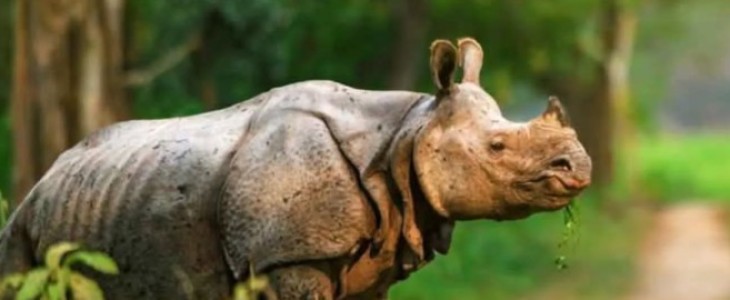
Witness majestic wildlife like the rare one-horned rhinoceros and the elusive Royal Bengal tiger.
Marvel at stunning sunrise and sunset panoramas from the serene banks of the Narayani River.
Dive into the local heritage by learning about the traditional Tharu way of life and their colorful cultural practices.
Watch countless bird species in their natural habitat, surrounded by a sea of greenery that captivates the soul.
Day 1: Journey from Kathmandu or Pokhara to Chitwan – Cultural Introduction and Sunset Views
Upon your arrival at either Bharatpur Airport or Sauraha bus station, a representative from the hotel will warmly welcome you and assist with the transfer to your accommodation. After checking in, you’ll receive a refreshing welcome drink and a short orientation about your upcoming jungle adventure.
Your first experience begins with a guided walk through an authentic Tharu village, where you’ll get a firsthand look at the traditional lifestyle, unique customs, and their distinctive Mithila-style artwork.
Following the village tour, you’ll head to the Chitwan National Park Visitor Center by the Rapti River. Here, you’ll learn about the park’s fascinating natural history and biodiversity. As evening falls, enjoy a breathtaking sunset over the riverbank.
Wrap up the day with a vibrant Tharu cultural performance, including dramatic fire dances and colorful peacock dances. You’ll even have a chance to join the performers and dance along.
Overnight: 3-Star Hotel in Chitwan
Meals Included: Lunch & Dinner
Day 2: Full-Day Jungle Adventure in Chitwan National Park
Start your morning with a peaceful canoe ride on the Rapti River, where you can spot rare aquatic wildlife such as the Marsh Mugger crocodile and the critically endangered Gharial. As you cross to the far side of the river, a nature guide will lead you on a short jungle hike, pointing out unique plant species and tracking signs of wildlife.
Continue the adventure with one of Chitwan’s most beloved activities — elephant bathing. You’ll witness how elephant caretakers (mahouts) wash these gentle giants and even get the chance to splash around with them in the river.
Afterward, prepare for an exhilarating elephant-back safari through Chitwan National Park. Riding through dense forest on an Asian elephant, you’ll have a strong chance to see rhinoceroses, deer, monkeys, leopards, sloth bears, countless bird species, and possibly even catch a glimpse of the elusive Royal Bengal tiger.
Overnight: 3-Star Hotel in Chitwan
Meals Included: Breakfast, Lunch & Dinner
Day 3: Morning Wildlife Encounters and Departure
Before heading back, take advantage of a relaxed morning. You may visit the elephant breeding center, where you’ll witness the touching bond between mother elephants and their calves, or join a birdwatching walk to spot colorful local and migratory species.
After a leisurely breakfast, you’ll be transferred back to the bus station or airport for your return trip to Kathmandu or Pokhara, bringing your wild Chitwan experience to a close.
Meals Included: Breakfast
Why Book the 3-Day Chitwan Tour?
Complimentary airport pick-up and drop-off services
Souvenir t-shirt to remember your journey
Safe luggage storage while on the tour
Comfortable accommodation at top-rated eco-lodges
English-speaking local guides for a deeper understanding of flora, fauna, and culture
Flexible travel by tourist bus or private vehicle depending on your preference
Inclusive of all major jungle experiences — no hidden charges
Special deals and added perks for returning travelers
What to Expect on the Chitwan Jungle Safari
One of Nepal’s top wildlife destinations, Chitwan offers a high chance of spotting endangered species, including rhinos, tigers, elephants, and gharials.
Explore the stunning Terai landscape — a stark contrast to Nepal’s mountainous regions — where biodiversity thrives in lush wetlands and dense forests.
Enjoy guided jungle activities: from open-vehicle safaris and river canoeing to serene birdwatching and interactive cultural tours.
Learn about ancient indigenous traditions with visits to Tharu villages, where you'll witness folk dances and crafts passed down for generations.
Ideal for everyone — solo explorers, wildlife photographers, family groups, seniors, and students — thanks to its well-balanced itinerary.
All jungle tours are led by trained naturalists who ensure both safety and deeper engagement with the surroundings.
Is This Chitwan Tour Package Right for You?
Perfect for travelers with limited time looking to disconnect from daily routines and immerse in nature.
Highly suitable for photographers, researchers, and wildlife lovers seeking close-up views of rare animals.
Great for those eager to explore Nepal’s subtropical ecosystems and learn about local culture in a short span.
Flexible and accessible to all ages and travel groups — from adventurous couples to multigenerational families.
Tips to Prepare for Your Jungle Escape
Dress in neutral colors (brown, green, gray) to blend in with the forest and avoid startling wildlife.
Wear long-sleeved clothes and sturdy closed-toe shoes to stay protected from insects and rough terrain.
Don’t forget sunscreen, a refillable water bottle, and a hat to guard against the midday sun.
During winter, pack warm layers; for monsoon season, bring waterproof gear and quick-dry clothing.
Keep insect repellent and antihistamines handy to deal with potential bites or rashes.
Bring binoculars and a good camera to capture your moments — from distant tigers to vibrant birds.
Carry some local currency, as card payment options and ATMs may be limited in remote areas.
Best Time to Visit Chitwan National Park (2 Nights 3 Days Tour)
Chitwan experiences hot summers and chilly winters, so it’s natural to wonder when the most favorable time to visit is. For the most comfortable climate and rewarding jungle experience, the months of September, October, April, and May are considered ideal, especially for travelers who can tolerate warm and humid conditions.
The optimal season for the 3-day Chitwan National Park adventure is generally from late September to early May, when the region receives minimal rainfall. If you prefer cooler weather, plan your visit between October and March. Those familiar with the local climate can still enjoy Chitwan during April and May, though temperatures can rise as high as 40°C. The winter months (November to January) offer a peaceful ambiance, but morning fog may limit visibility of the jungle and nearby towns. In some cases, smog from local activity may mix with fog and reduce the scenic clarity.
Accommodation and Food During the 3-Day Chitwan National Park Experience
Throughout the trip, you'll be accommodated in top-rated hotels or resorts, with all meals (breakfast, lunch, and dinner) included. Expect a variety of dishes served fresh and hygienically, catering to both local and international preferences.
During your Tharu village tour, you’ll get to taste authentic ethnic Tharu cuisine. A must-try for culinary adventurers is “Ghongi”, a local delicacy made from freshwater snails. All lodging is pre-arranged by your tour provider, ensuring comfortable and high-quality service. Your stay is designed to be relaxing, enriching, and memorable.
Difficulty Level of the Chitwan National Park Safari Tour
This jungle tour is suitable for all travelers and does not require any trekking experience. Most of the movement during the safari is by jeep, canoe, or guided walk, making it ideal for families, senior citizens, and children. The tour is categorized as easy and beginner-friendly.
You won't need to cover long distances on foot, and the pace is relaxed. The main challenge may arise from climatic conditions, such as heat or humidity. Proper planning and packing will ensure a smooth and enjoyable experience. This is a leisurely, accessible journey into Nepal’s wildlife, perfect for nature lovers of any age.
Travel Insurance for 2 Nights 3 Days Chitwan Tour
While travel insurance is not mandatory, it’s always wise to consider it for added peace of mind. The Chitwan National Park tour does not involve high-altitude trekking or strenuous activities, so the risk factor is minimal.
However, since the jungle is home to wild animals and unpredictable elements, purchasing basic travel or accident insurance could be a prudent choice—especially for international travelers. Fortunately, no major incidents have occurred on this tour so far, and with proper guidance, your trip will be both safe and exciting.
How to Book the 2 Nights 3 Days Chitwan Jungle Safari with Adventure Aspirant
Adventure Aspirant offers a secure and hassle-free booking process. To confirm your reservation for the Chitwan National Park tour, a 15% advance deposit of the total cost is required.
Once you’ve booked, kindly share the following details within a week:
A scanned copy of your passport
Passport-sized photograph
Travel insurance document (if applicable)
Arrival and departure flight information
We accept multiple payment methods, including:
Online payment through our website
International bank transfer
Western Union
On-arrival payment via cash, bank card, or credit card
Upon booking, we will send you detailed payment instructions along with your tour confirmation and itinerary. Our team is committed to making your jungle journey stress-free and unforgettable.
Preparing for a 2-Night, 3-Day Chitwan National Park Adventure
Whether you’re visiting Chitwan for wildlife encounters, photography, relaxation, or adventure, proper preparation can make your jungle journey far more enjoyable and safe. Here’s a complete guide from Adventure Aspirant Pvt Ltd to help you get ready for an unforgettable safari experience.
What to Wear for Jungle Activities
Choose Earth-Toned Clothing
Wear muted shades such as olive green, brown, khaki, tan, or grey. Bright colors can attract insects and may disturb wildlife, making animal sightings more difficult.
Cover Your Skin
Long-sleeved shirts and full-length trousers are highly recommended. They help protect against mosquitoes, sun exposure, scratches from bushes, and insects commonly found in the forest.
Wear Strong and Comfortable Footwear
Avoid flip-flops or open sandals. Jungle trails are often muddy, slippery, or uneven. Lightweight hiking boots or sturdy walking shoes with thick soles work best.
Dress According to the Season
Winter (November–February): Early mornings and evenings can be chilly, so carry a warm jacket or fleece layer.
Monsoon (June–September): Expect rainfall and muddy conditions. A raincoat, poncho, or waterproof jacket is essential.
Spring & Summer: Opt for breathable, quick-dry clothing to stay cool and comfortable during humid weather.
Mosquito & Insect Protection
Be Prepared for Mosquitoes
Chitwan’s tropical environment makes it a natural habitat for mosquitoes and insects. Although the chances of malaria or dengue are relatively low, prevention is always wise—especially during the rainy season.
Recommended Precautions
Apply insect repellent containing DEET, picaridin, or natural alternatives like eucalyptus oil.
Use mosquito nets provided by lodges whenever available.
Keep doors and windows closed unless they are screened.
After sunset, wear socks, long sleeves, and trousers to minimize insect bites.
Essential Items to Carry
Sunscreen
A high-SPF sunscreen (30 or above) is important, especially during canoe rides or open jeep safaris under direct sunlight.
Water Bottle
Staying hydrated is crucial during jungle walks and safari tours. Carry a refillable bottle or purification tablets if you prefer eco-friendly travel.
Energy Snacks
Pack light snacks such as nuts, protein bars, trail mix, or dried fruits for long excursions inside the park.
Basic Medical Supplies
Bring a small first-aid kit containing bandages, pain relievers, antihistamines, personal medication, and anti-itch cream.
Rain Gear
Weather in the jungle can change quickly, so carrying a compact umbrella or lightweight rain jacket is always a smart idea.
Flashlight or Headlamp
Power interruptions occasionally happen in rural areas, and evening activities may require additional lighting.
Sanitizer & Wet Wipes
These are useful after jungle excursions or when visiting remote locations with limited facilities.
Camera & Binoculars for Wildlife Viewing
Carry a Quality Camera
Wildlife in Chitwan is often viewed from a distance, so cameras with zoom lenses (200mm or higher) are ideal for capturing rhinos, birds, crocodiles, and other animals.
Don’t Forget Extras
Carry spare batteries, memory cards, and charging accessories to avoid missing important moments.
Binoculars Improve the Experience
A pair of 8x or 10x binoculars can significantly enhance wildlife and birdwatching opportunities.
Protect Your Equipment
Use waterproof or padded bags to safeguard your camera gear from humidity, dust, and sudden rain.
Jungle Safety & Responsible Behavior
Follow Your Guide’s Instructions
Naturalist guides are experienced in wildlife behavior and jungle safety. Always stay close to the group and follow their directions carefully.
Stay Calm Around Wildlife
If you encounter animals such as rhinos or elephants, avoid shouting, sudden movements, or attempting to approach them.
Remain on Authorized Trails
Walking beyond designated paths can be dangerous and may also damage the ecosystem.
Keep Noise Levels Low
Loud sounds, smoking, or unnecessary disturbance can scare wildlife and negatively affect the safari experience.
Respect Nature & Local Traditions
Never Feed Wild Animals
Feeding wildlife changes their natural behavior and may create dangerous situations for future visitors.
Support Local Communities
You can contribute to the local economy by purchasing handmade Tharu crafts or attending cultural programs respectfully.
Leave No Trace
Carry back all waste materials, including plastic bottles, wrappers, and tissues, to help preserve the beauty of the national park.
With thoughtful preparation and responsible travel practices, your Chitwan jungle safari can become one of the most memorable experiences in Nepal. Adventure Aspirant Pvt Ltd wishes you a safe, exciting, and wildlife-filled journey into the heart of the jungle.
To ensure you’re well-prepared for your jungle safari, here is a recommended packing list:
Light, breathable clothing (long sleeves and pants to protect against insects)
Hat or cap, sunglasses, and high-SPF sunscreen
Durable walking shoes or trekking sandals
Strong insect repellent or bug spray
Toiletries and personal hygiene products
Required medications and first-aid essentials
Refillable water bottle (and optional purification tablets)
Camera with extra batteries and memory card
Binoculars for wildlife and birdwatching
Torchlight or headlamp
Sufficient local currency or an international credit card
Always check the local weather forecast before packing, and be sure to comply with park regulations regarding restricted items.
1- Can I Combine the Chitwan Tour with Other Destinations Like Pokhara or Lumbini?
Yes, definitely. Your Chitwan National Park trip can easily be combined with other popular destinations in Nepal such as Pokhara, Lumbini, Kathmandu Valley, or even trekking adventures in the Himalayas. At Adventure Aspirant Pvt Ltd, we specialize in creating personalized travel plans that match your interests, available time, and travel style.
Whether you want to enjoy lakeside relaxation in Pokhara, explore the birthplace of Buddha in Lumbini, or include a trekking experience before or after your jungle safari, we can customize the itinerary accordingly. If you already have a schedule prepared, simply share it with us. If not, our team will happily help design a well-balanced Nepal journey for you.
2- When Was Chitwan National Park Established?
Chitwan National Park was officially established in 1973 and holds the distinction of being Nepal’s first national park. Originally named Royal Chitwan National Park, it initially covered an area of approximately 932 square kilometers. The park was founded primarily to conserve endangered wildlife species, especially the one-horned rhinoceros and the Royal Bengal tiger.
A few years later, in 1977, the protected area was expanded to 952.63 square kilometers to strengthen conservation efforts. In recognition of its outstanding natural value and biodiversity, UNESCO listed the park as a World Heritage Site in 1984.
To support nearby communities and encourage sustainable conservation, a buffer zone was introduced in 1996. Following Nepal’s transition from monarchy to republic in 2006, the word “Royal” was removed, and the area became officially known as Chitwan National Park. Today, it remains one of Nepal’s most celebrated wildlife destinations.
3- How Far Is Chitwan National Park from Kathmandu?
Chitwan National Park is located roughly 150 kilometers (93 miles) south of Kathmandu. Traveling by tourist bus generally takes around 5 to 6 hours, depending on road and traffic conditions. For travelers who prefer a quicker option, domestic flights from Kathmandu to Bharatpur take approximately 25 to 35 minutes.
The road journey from areas such as Thamel or Balaju to Chitwan follows Nepal’s main highway and offers scenic views of hills, rivers, and rural landscapes along the way.
4- What Type of Accommodation Is Included in the Chitwan Tour Package?
During the 2-night, 3-day Chitwan safari package with Adventure Aspirant Pvt Ltd, guests stay in comfortable 3-star resorts or hotels located close to the national park. These accommodations are carefully selected to provide a relaxing and convenient jungle experience.
The package includes full-board meals during your stay, including breakfast, lunch, and dinner served at the hotel or resort restaurant. Guests can expect a mix of Nepali, local Tharu, and international cuisine suitable for different dietary preferences. On the final day while returning to Kathmandu, breakfast is included.
Rooms typically feature modern comforts such as attached bathrooms, hot showers, Wi-Fi access, air conditioning or fans, and comfortable beds. Many properties also offer swimming pools, gardens, restaurants, lounges, and peaceful outdoor spaces for relaxation after jungle activities.
5- What Kind of Meals Are Included in the Chitwan Tour Package?
The Chitwan tour package generally includes three daily meals during your stay at the resort or lodge. Guests can enjoy a variety of dishes ranging from traditional Nepali meals to continental and Asian cuisine.
Breakfast often includes tea or coffee, bread, eggs, fruits, and local specialties. Lunch and dinner usually feature rice, lentils, vegetables, curries, salads, meat dishes, and desserts. Vegetarian options are widely available, and dietary requests can often be arranged with prior notice.
6- How Is Transportation Managed During the Chitwan National Park Tour?
For the standard 2-night, 3-day Chitwan package, Adventure Aspirant Pvt Ltd arranges transportation by comfortable tourist bus from Kathmandu to Chitwan. Buses generally depart early in the morning around 7:00 AM and provide air-conditioned seating for a smooth and enjoyable ride.
The journey usually takes between 5 and 6 hours. Along the route, there are scheduled stops for meals, refreshments, and short breaks.
7- Can I Upgrade My Transportation Option?
Absolutely. Travelers who wish to reduce travel time can choose a domestic flight from Kathmandu to Bharatpur Airport, the closest airport to Chitwan National Park. The flight duration is approximately 25 minutes, making it the fastest option available.
For guests seeking greater comfort, privacy, and flexibility, Adventure Aspirant Pvt Ltd can also organize private vehicles with hotel pickup and drop-off services. This option allows you to travel at your own pace with personalized convenience throughout the journey.
8- What Makes Chitwan National Park Special?
Chitwan National Park is one of Nepal’s most remarkable natural attractions and a paradise for wildlife enthusiasts. Recognized as a UNESCO World Heritage Site, the park is famous for its rich biodiversity, dense forests, grasslands, rivers, and rare animal species.
Visitors have the opportunity to spot endangered wildlife such as the one-horned rhinoceros, Royal Bengal tiger, wild elephants, crocodiles, deer, monkeys, and hundreds of bird species. The park offers an authentic jungle experience combined with local cultural encounters.
9- What Can You Expect from a 2-Night, 3-Day Chitwan Tour?
A 2-night, 3-day Chitwan safari package offers a balanced combination of jungle adventure, wildlife exploration, and cultural activities. During the tour, guests can enjoy jeep safaris deep inside the forest, canoe rides along the Rapti River, guided jungle walks, birdwatching excursions, and visits to traditional Tharu villages.
One of the highlights of the trip is the cultural program featuring traditional Tharu music and dance performances, providing insight into the heritage of the indigenous community living near the park.
The safari experience is suitable for families, couples, student groups, senior travelers, and nature lovers looking for an accessible and exciting wildlife holiday in Nepal.
All jungle activities are conducted under the supervision of trained naturalists and experienced guides who prioritize both visitor safety and environmental conservation. Guests are encouraged to carefully follow guide instructions during safaris and wildlife encounters to ensure a safe and respectful experience in the jungle.
With proper planning and expert guidance from Adventure Aspirant Pvt Ltd, your Chitwan National Park adventure can become one of the most memorable highlights of your Nepal journey.
The given cost are per person and exclude international flights. Given below are the departure dates available for online booking. If the given date is not favorable then please contact us and we will happily customize your trip on dates more appropriate for you.
Note: If your group size is of more than 1 pax then you can set your own departure date.
| Start Date | Trip Price | Discount | Discounted Price | Action |
|---|
USD198pp
Duration : 03 Days