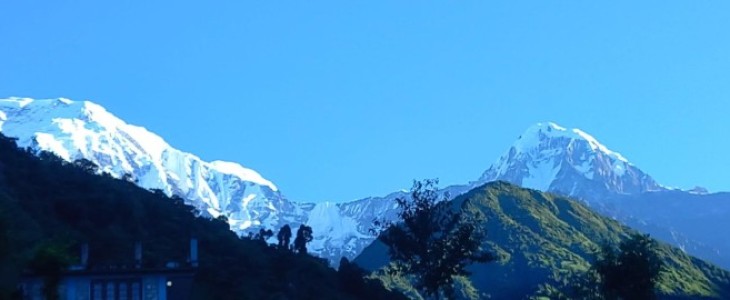
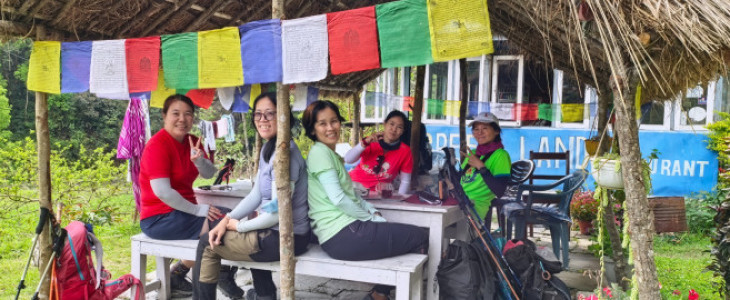
Experience the awe-inspiring beauty of the Annapurna region, home to one of the world’s ten highest peaks with Adventure Aspirant Pvt Ltd. The Rapid Annapurna Base Camp Trek is a perfect choice for those short on time but eager to immerse themselves in the grandeur of the Himalayas.
Standing tall at 8,091 meters, Annapurna I was first summited in 1950 by the pioneering French expedition led by Maurice Herzog. This trek offers a rare chance to reach the heart of the Himalayas in a relatively short span, without compromising on the adventure or scenic grandeur.
From verdant terraced fields and lush hillsides to majestic glaciers and towering snow-capped peaks, this journey is one of the most captivating Himalayan adventures. As you ascend through serene landscapes, you’ll encounter charming traditional Gurung villages, rich in cultural heritage and spiritual ambiance shaped by Buddhist beliefs.
This trek rewards you with panoramic vistas of legendary peaks including:
Annapurna I (8,091 m / 26,545 ft)
Annapurna South (7,219 m / 23,693 ft)
Hiunchuli
Gangapurna (7,455 m / 24,457 ft)
Annapurna III (7,555 m / 24,787 ft)
Machhapuchhre (Fishtail Mountain)
Lamjung Himal
Manaslu (8,163 m / 26,781 ft) — the world’s eighth highest mountain
The route to Annapurna Base Camp meanders through emerald-green valleys, rustic farmlands, and forested trails—all while surrounded by a dramatic alpine backdrop. Whether you're drawn to the natural beauty, cultural depth, or the thrill of trekking beneath some of the tallest mountains on Earth, this adventure delivers it all in a concise and unforgettable journey.
Day 01: Drive from Pokhara to Samrung & Trek to Upper Sinuwa (2350m)
Your journey with Adventure Aspirant Pvt Ltd begins in Pokhara, where our guide and support crew will meet you at your location. After a brief introduction, you’ll set off in a jeep toward Samrung, a charming Gurung village that marks the starting point of your trek. The drive takes you along a mix of paved and off-road routes, passing through Nayapul and stopping at Birethanti for permit registration at the Annapurna Conservation Area checkpoint. Along the way, enjoy scenic views of rolling hills, forests, rivers, and traditional villages. From Samrung, begin your trek by crossing a long suspension bridge over the Jhinu Khola, then continue toward Jhinu Danda for lunch. Afterward, ascend steeply to Chhomrung village, descend to Chhomrung Khola, cross another suspension bridge, and climb up to Upper Sinuwa. Spend the night at a cozy teahouse, surrounded by peaceful landscapes and panoramic views of the Annapurna range. Meals: Lunch, Dinner, Accommodation: Lodge, Max Altitude: 2350m,Drive: ~2-3 hours | Trek: ~4 hours
Day 02: Trek from Upper Sinuwa to Deurali (3200m)
After breakfast, continue your trek deeper into the Annapurna region. The trail leads through dense forests and scenic terrain, gradually ascending from Upper Sinuwa. Pass through Bamboo, Dovan, and Himalaya settlements, each offering unique views and resting spots. The trail becomes more rugged as you move beyond Himalaya, especially near Hinku Cave, where rocky paths and landslide areas require careful footing. Finally, reach Deurali, where you’ll stay overnight surrounded by dramatic mountain scenery. Meals: Breakfast, Lunch, Dinner, Accommodation: Lodge, Max Altitude: ~3200m, Duration: 6–7 hours
Day 03: Trek to Annapurna Base Camp (4130m)
Today is the highlight of your trek. After breakfast, head toward Annapurna Base Camp via Machhapuchhre Base Camp (MBC). The trail follows a narrow valley between towering peaks, with increasingly alpine scenery replacing lush greenery. Take a short break at MBC before continuing toward Annapurna Base Camp. Upon arrival, you’ll be greeted by breathtaking 360-degree views of snow-capped peaks, glaciers, and open alpine landscapes. This natural amphitheater is often referred to as the Annapurna Sanctuary. Enjoy lunch surrounded by stunning mountain views, then relax and witness a spectacular sunset over the Himalayas. Overnight stay at a lodge in base camp. Meals: Breakfast, Lunch, Dinner, Accommodation: Lodge, Max Altitude: 4130m, Duration: 4–5 hours
Day 04: Descend from Annapurna Base Camp to Bamboo (2200m)
Wake early to catch a magical sunrise over the mountains—one of the most memorable moments of the trek. After breakfast, begin your descent along the same route. As you retrace your steps, take in different perspectives of the landscape, waterfalls, and local life. The downhill journey brings you back through Deurali, Himalaya, and Dovan to Bamboo. Enjoy a peaceful evening and rest well at your lodge. Meals: Breakfast, Lunch, Dinner, Accommodation: Lodge, Max Altitude: 2200m, Duration: 6–7 hours
Day 05: Trek to Jhinu Danda & Return to Pokhara (with Hot Springs)
On your final day, trek from Bamboo through Sinuwa and Chhomrung toward Jhinu Danda. The trail involves a mix of ascents and descents. At Jhinu, take a short walk to the natural hot springs, where you can relax in warm water and soothe your muscles after the trek. After lunch, drive back to Pokhara by jeep. This marks the end of your memorable adventure with Adventure Aspirant Pvt Ltd. From Pokhara, you may continue your journey back to Kathmandu or onward to your next destination. Meals: Breakfast, Lunch, Dinner, Max Altitude: 1700m, Duration: 6–7 hours
Overview of the Trek
The Annapurna Base Camp trek is among Nepal’s most celebrated hiking routes, combining stunning landscapes, cultural encounters, and a rewarding Himalayan experience. Covering roughly 70 to 80 kilometers round trip, the trail passes through dense forests, river valleys, and authentic mountain villages. Along the way, trekkers are rewarded with incredible close-range views of peaks like Annapurna I (8,091m), Machapuchare (Fishtail), and several other majestic summits.
Weather & Best Time to Visit
The ideal times for this trek are during spring (March to May) and autumn (September to November). These seasons typically offer stable weather, clear skies, and excellent visibility of the mountains. Winter treks are also possible, though colder temperatures and snow at higher elevations can add difficulty. The summer/monsoon season brings frequent rainfall, making trails slippery and mountain views less reliable.
Meals & Accommodation
Throughout the journey, you’ll stay in traditional teahouses—simple mountain lodges that provide basic yet comfortable lodging, often with shared facilities. Daily meals include breakfast, lunch, and dinner, with menu options ranging from local Nepali dishes like dal bhat to popular items such as noodles, soups, and pancakes.
Guides & Porter Services
With Adventure Aspirant Pvt Ltd, your trek is led by knowledgeable, English-speaking guides who prioritize your safety and enrich your experience with local insights. Porters, who assist you to carry your trekking belongings, allowing you to trek more comfortably.
Transportation
All ground transportation between Pokhara and the trek’s starting and ending points is organized by Adventure Aspirant Pvt Ltd. Depending on the group size and arrangement, travel will be by private vehicle or shared jeep.
Altitude Awareness & Emergency Support
Although the Annapurna Base Camp trek does not reach extreme altitudes, there is still a possibility of altitude-related illness. The itinerary is structured to help with gradual acclimatization. In case of emergencies, we have protocols in place, including access to helicopter evacuation if needed.
Permits & Entry Requirements
All necessary trekking permits are arranged by Adventure Aspirant Pvt Ltd, including the Annapurna Conservation Area Permit (ACAP) and the TIMS (Trekkers’ Information Management System) card, ensuring a smooth and hassle-free journey.
Head Gear
Multifunctional buff or neck gaiter
Sun cap, wide-brim hat, or headscarf
Lightweight balaclava or insulated wool/fleece hat
UV-protection sunglasses
Headlamp or flashlight with batteries
Upper Body Clothing
Breathable T-shirts or thermal base layers
Warm fleece or insulating jacket
Waterproof and wind-resistant outer shell
Down jacket (bringing your own is highly recommended; Adventure Aspirant Pvt Ltd will provide one on rental basis, which must be returned after the trek)
Lower Body Clothing
Lightweight trekking trousers
Waterproof over-trousers
Thermal base layer bottoms
Footwear
Lightweight liner socks
Thick wool hiking socks for warmth
Sturdy and comfortable trekking boots
Casual shoes, sandals, or slippers for use after trekking
Hand Protection
Insulated waterproof gloves (such as Gore-Tex or similar)
Accessories & Essentials
Sleeping bag suitable for temperatures around -20°C (personal one is recommended; rental available through Adventure Aspirant Pvt Ltd and must be returned after use)
Trekking duffel bag (provided), plus an additional suitcase or bag for storage in Kathmandu
Waterproof covers or plastic liners to keep gear dry
Trekking poles (optional but beneficial)
Reusable water bottle or hydration bladder
Personal toiletries and hygiene items
Quick-dry towel
Basic repair kit (needle, thread, etc.)
Sunscreen, insect repellent, and lip balm
Personal first-aid kit (including pain relievers, bandages, antihistamines, and medication for stomach issues)
Electrolyte or rehydration salts, along with any personal medications
Wet wipes or tissues
Books, journal, or other light entertainment items
1- How risky is altitude sickness on this trek?
Altitude sickness is a potential concern on the Annapurna Base Camp trek since the trail reaches up to 4,130 meters. Some trekkers may experience symptoms like headaches, nausea, tiredness, or dizziness, especially if they gain elevation too quickly. In most cases, symptoms remain mild, but severe conditions can occur if ignored. To reduce the risk, it’s important to follow a gradual ascent, drink plenty of fluids, and allow time for acclimatization. With Adventure Aspirant Pvt Ltd, experienced guides closely monitor your condition to ensure safety throughout the journey.
2- Can I hire trekking gear in Kathmandu or Pokhara?
Yes, renting trekking equipment is easy in both Kathmandu and Pokhara. You’ll find plenty of shops offering items like sleeping bags, down jackets, backpacks, boots, and trekking poles at reasonable rates. Renting is a practical option if you don’t want to carry bulky gear. Be sure to check the condition and proper fit before hiring. Pokhara, being the main gateway to the Annapurna region, is especially convenient for last-minute rentals.
3- Is travel insurance necessary?
Having travel insurance is strongly advised for this trek. It should cover medical treatment, high-altitude trekking (above 4,000 meters), and emergency evacuation, including helicopter rescue if required. Many trekking operators, including Adventure Aspirant Pvt Ltd, may request proof of insurance before departure. Proper coverage protects you from unexpected costs and ensures peace of mind during your adventure.
4- Can children or senior travelers join this trek?
Yes, the trek can be completed by both younger and older participants if they are physically fit and well-prepared. Although the route is considered moderate, it involves long walking hours and high elevations. Maintaining a slow pace, taking rest when needed, and acclimatizing properly are key factors. It’s recommended to consult a doctor beforehand. With good planning and guidance, families and senior trekkers can enjoy this experience safely.
5- Do I need to bring a sleeping bag?
A sleeping bag is highly recommended, especially for higher altitudes where temperatures can drop below freezing at night. While teahouses provide blankets, having your own sleeping bag ensures extra warmth and hygiene. A bag rated between -5°C and -10°C is ideal for comfort during the trek.
6- How should I prepare physically?
Preparing for this trek involves building stamina, strength, and overall fitness. Activities like hiking, jogging, cycling, or stair climbing help improve endurance for long trekking days. Strength training for legs and core muscles is also beneficial. Practicing on uneven terrain can help simulate real trail conditions. Starting your preparation 6–8 weeks in advance will make the trek more manageable and enjoyable.
7- Are ATMs available along the route?
ATM services are limited once you leave major towns. Reliable machines are available in Pokhara and near the starting points like Nayapul. However, along the trekking route, especially at higher elevations, ATMs are not available. It’s important to carry enough Nepalese currency for accommodation, meals, and other expenses.
8- Will I get hot showers during the trek?
Hot showers are available in many teahouses, particularly in lower villages. However, as you move higher, facilities become more basic, and hot showers may be limited or unavailable. In some places, solar-heated showers are offered for an extra charge. Be prepared for occasional cold showers at higher altitudes.
9- What type of lodging can I expect?
Accommodation during the trek is mainly in teahouses or local lodges. These provide simple but clean rooms with basic bedding. Bathrooms are often shared, especially at higher elevations where facilities are limited. Meals are served at the lodges, offering both local and international dishes. Staying in teahouses also allows you to experience local culture and hospitality.
10- Is it possible to trek in winter?
Yes, trekking to Annapurna Base Camp during winter (December to February) is possible. The season offers peaceful trails and stunning snowy landscapes. However, temperatures can be very cold, and some sections may be icy. Services are also more limited compared to peak seasons. Proper winter gear and preparation are essential for a safe journey.
11- What is the highest point of the trek?
The highest elevation reached on this trek is Annapurna Base Camp at 4,130 meters above sea level. From here, you’ll enjoy panoramic views of surrounding peaks, including Annapurna I, Machapuchare, and Hiunchuli.
12- Can I trek to ABC alone?
Solo trekking to Annapurna Base Camp is no longer permitted under current regulations. Trekkers are required to be accompanied by a licensed guide for safety reasons. Booking through a registered company like Adventure Aspirant Pvt Ltd ensures compliance with these rules and provides professional guidance throughout the trek.
13- Is this trek suitable for beginners?
Yes, beginners can complete the Annapurna Base Camp trek if they have a reasonable level of fitness and proper preparation. The route does not require technical climbing skills, making it a great introduction to Himalayan trekking. With a steady pace and guided support, first-time trekkers can successfully reach base camp.
14- How challenging is the Annapurna Base Camp trek?
The trek is generally considered moderately difficult. Starting from Pokhara at around 823 meters, the trail gradually climbs to 4,130 meters over several days. Trekkers typically walk 5–7 hours daily across varied terrain, including steep ascents and descents. With adequate preparation and determination, it is achievable for most people seeking their first mountain trekking experience.
The given cost are per person and exclude international flights. Given below are the departure dates available for online booking. If the given date is not favorable then please contact us and we will happily customize your trip on dates more appropriate for you.
Note: If your group size is of more than 1 pax then you can set your own departure date.
| Start Date | Trip Price | Discount | Discounted Price | Action |
|---|
USD499pp
Duration : 5 Days
From USD 1649
Duration: 17 Days
View Details