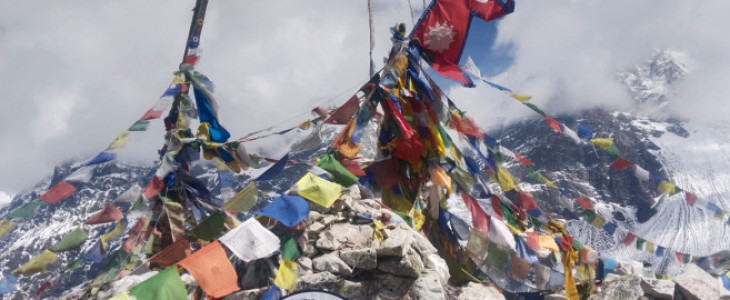
The Langtang Valley Trek is one of the most rewarding short treks in the Langtang region, perfect for those seeking a mix of natural beauty, cultural richness, and moderate adventure. With Adventure Aspirant, your journey begins with a scenic drive 90 km north of Kathmandu to Syabrubesi, where the trek officially starts. From there, you’ll follow the Langtang River through vibrant rhododendron forests, charming villages, and up to the peaceful Kenjing Gompa.
While the Langtang region may not boast the tallest Himalayan peaks, its landscapes are equally breathtaking. The snow-covered summits, alpine valleys, and lush forests create a truly photogenic setting. Throughout the trek, you’ll be warmly welcomed by the Tamang and Sherpa communities, known for their hospitality and deep-rooted Tibetan Buddhist traditions. You’ll witness local lifestyles centered around weaving, painting, farming, and yak herding.
Adventure Aspirant offers this trek on a teahouse basis, which is a more economical and immersive way to experience the region compared to traditional camping treks. The route follows a round-trip path, ending back at Syabrubesi, from where you’ll return to Kathmandu by bus.
The Langtang Valley is home to diverse flora and fauna—from oak, maple, pine, and rhododendrons to Himalayan wildlife like black bears, red pandas, rhesus monkeys, and Himalayan tahr. The area even carries mysterious tales of Yeti sightings.
This trek is perfect for beginners, families, and anyone with a moderate level of physical fitness and limited time. It offers a rare combination of natural serenity and cultural richness close to the Tibetan border. The best seasons for the Langtang Valley Trek are March to May and September to November, though it can be enjoyed year-round.
Embark on this unforgettable Himalayan journey with Adventure Aspirant, where nature, culture, and adventure meet in the heart of Nepal’s Langtang region.
Day 01: Arrival in Kathmandu (1,400m)
Upon your arrival at Tribhuvan International Airport in Kathmandu, a representative from Adventure Aspirant will welcome you and transfer you to your hotel. After settling in, you'll receive a detailed trek briefing. In the evening, enjoy a traditional Nepali welcome dinner at a cultural restaurant.
Day 02: Drive to Syabrubesi (1,420m) – 7 to 8 hours
Today, we embark on a scenic drive from Kathmandu to Syabrubesi, the starting point of our trek. Though the journey is rugged, the views of rivers, terraced fields, and rural life along the route offer a captivating introduction to Nepal’s countryside. Overnight at Syabrubesi.
Day 03: Trek to Lama Hotel (2,340m) – 5 to 6 hours
After completing the entry formalities for Langtang National Park, the trek officially begins. You'll cross a suspension bridge and follow the trail through forested areas along the Langtang River. En route, you’ll pass through villages like Lower and Upper Rimche before arriving at Lama Hotel for the night.
Day 04: Trek to Mundu via Langtang Village (3,543m) – 6 to 7 hours
Today’s trail winds through lush forests with glimpses of waterfalls and leads to Ghoda Tabela, a scenic rest stop with your first views of the snow-capped peaks. Buddhist symbols like chortens and prayer flags appear as you approach Langtang Village. After a break, continue to Mundu where you’ll spend the night.
Day 05: Trek to Kyanjin Gompa (3,870m) – 4 to 5 hours
The trail climbs gradually past small streams and glacial debris. You’ll cross several traditional villages before reaching Kyanjin Gompa, a peaceful monastery village offering sweeping views of the Langtang Himalayas. Overnight at Kyanjin Gompa.
Day 06: Hike to Tserko Ri (5,000m) – 7 to 8 hours round trip
Today is a highlight of the trek as you hike to the Tserko Ri viewpoint. Starting early to avoid strong afternoon winds, you'll be rewarded with a 360-degree panorama of peaks like Langtang Lirung, Dorje Lakpa, and the distant Shishapangma in Tibet. After soaking in the views, return to Kyanjin Gompa for the night.
Day 07: Trek Back to Lama Hotel (2,340m) – 6 to 7 hours
Retrace your steps through the beautiful Langtang Valley. The return journey offers new perspectives of the landscapes you’ve already admired—lush forests, cascading rivers, and traditional villages. Overnight at Lama Hotel.
Day 08: Trek to Syabrubesi (1,420m) – 4 to 5 hours
Today’s descent takes you through forests of rhododendron, oak, and pine. Along the way, enjoy the sounds of waterfalls and the sights of hillside farming communities. Return to Syabrubesi for your final night in the Langtang region.
Day 09: Drive Back to Kathmandu (1,400m) – 6 to 7 hours
After breakfast, take a scenic drive back to Kathmandu. Upon arrival, you’ll be transferred to your hotel. You’ll have the rest of the day to relax or explore the city on your own.
Day 10: Departure from Kathmandu
Your memorable adventure with Adventure Aspirant comes to an end today. A team member will transfer you to Tribhuvan International Airport for your flight home. We hope you leave Nepal with unforgettable experiences and stories to share.
Langtang Village After the 2015 Earthquake
The earthquake of April 25, 2015, forever changed both the landscape and the lives of people in Langtang Valley. A catastrophic avalanche and landslide wiped out the original Langtang Village, taking with it the lives of residents, trekkers, and yak herders along with their animals. The loss was deeply felt across the community.
Yet, the strength of the Tamang Buddhist people stands out. With determination, they rebuilt their village near the original site, this time with improved safety measures and better infrastructure. Today’s Langtang Village offers enhanced lodges and modern facilities for visitors. The resilience and spirit of the locals continue to leave a lasting impression on everyone who undertakes the Langtang trek with Adventure Aspirant Pvt Ltd.
Langtang National Park and Its Buffer Zone
Established in 1976, Langtang National Park became Nepal’s first Himalayan national park, spanning an area of 1,710 square kilometers. It lies at the intersection of two major ecological zones—the Palearctic and Indo-Malayan regions—making it incredibly diverse.
The park is home to rare wildlife such as red pandas, snow leopards, and more than 250 species of birds. As trekkers ascend through varying altitudes, they encounter shifting vegetation zones—from subtropical forests of sal, chir pine, and alder to temperate woodlands filled with rhododendron, oak, and fir, eventually reaching alpine grasslands.
In 1998, a 420-square-kilometer buffer zone was introduced to support conservation efforts. This initiative helps reduce conflict between humans and wildlife while offering local communities sustainable income through tourism and environmental programs.
Kyanjin Gompa: Cultural Heart of the Valley
Kyanjin Gompa is one of the most significant highlights of the Langtang trek. Dating back nearly 300 years, this monastery reflects deep spiritual roots and Tibetan cultural influence. The name “Kyanjin” comes from local words meaning “camel” and “ribs,” inspired by nearby rock formations.
The monastery is home to Lama Tamang communities who have preserved their traditions over generations. Visitors can also explore the famous yak cheese factory nearby, known for producing high-quality cheese in the Himalayas.
Things to Do Around Kyanjin Gompa
There are plenty of activities to enjoy in this region:
Explore the monastery and nearby community centers
Hike up to Kyanjin Ri for breathtaking views
Take on the more demanding trek to Tsergo Ri
Visit the scenic Seven Lakes
Observe free-grazing yaks in the valley
Walk to glacier viewpoints and the hydroelectric plant
Try ice climbing with expert guidance
Climb Yala Peak (requires permits and guide)
Attempt Langshisa Ri for advanced mountaineering
Cross Kangja La Pass toward Helambu (guided camping required)
A Valley Named After a Yak
According to local legend, Langtang Valley was discovered while following a stray yak through mountain trails. The name itself reflects this story: “Lang” means yak, and “Tang” means to follow—capturing the sense of exploration that defines this region.
Ancient Heritage of Kyanjin Gompa
For over three centuries, Kyanjin Gompa has been a place of peace and devotion. Surrounded by towering peaks like Langtang Lirung, it offers visitors a deeply calming and spiritual experience.
Yak Cheese Factory at High Altitude
At an elevation of 3,870 meters, Kyanjin hosts a unique Swiss-inspired cheese factory. It produces organic yak cheese that has become a signature taste of the region, surprising trekkers who don’t expect such facilities in remote mountains.
Closest Himalayan Trek from Kathmandu
One of the most appealing aspects of the Langtang trek is its accessibility. Within just a day’s drive from Kathmandu, trekkers can reach dramatic alpine scenery, glaciers, and towering peaks—making it an ideal short adventure.
From Tragedy to Renewal
The 2015 disaster buried the original Langtang Village and claimed many lives. Today, the rebuilt settlement stands as a powerful symbol of recovery and perseverance. With welcoming lodges and a strong sense of community, the valley reflects the enduring spirit of its people, offering warmth and inspiration to every visitor.
Head Gear
Multifunctional buff or neck gaiter
Sun cap, wide-brim hat, or headscarf
Lightweight balaclava or insulated wool/fleece hat
UV-protection sunglasses
Headlamp or flashlight with batteries
Upper Body Clothing
Breathable T-shirts or thermal base layers
Warm fleece or insulating jacket
Waterproof and wind-resistant outer shell
Down jacket (bringing your own is highly recommended; Adventure Aspirant Pvt Ltd will provide one on rental basis, which must be returned after the trek)
Lower Body Clothing
Lightweight trekking trousers
Waterproof over-trousers
Thermal base layer bottoms
Footwear
Lightweight liner socks
Thick wool hiking socks for warmth
Sturdy and comfortable trekking boots
Casual shoes, sandals, or slippers for use after trekking
Hand Protection
Insulated waterproof gloves (such as Gore-Tex or similar)
Accessories & Essentials
Sleeping bag suitable for temperatures around -20°C (personal one is recommended; rental available through Adventure Aspirant Pvt Ltd and must be returned after use)
Trekking duffel bag (provided), plus an additional suitcase or bag for storage in Kathmandu
Waterproof covers or plastic liners to keep gear dry
Trekking poles (optional but beneficial)
Reusable water bottle or hydration bladder
Personal toiletries and hygiene items
Quick-dry towel
Basic repair kit (needle, thread, etc.)
Sunscreen, insect repellent, and lip balm
Personal first-aid kit (including pain relievers, bandages, antihistamines, and medication for stomach issues)
Electrolyte or rehydration salts, along with any personal medications
Wet wipes or tissues
Books, journal, or other light entertainment items
1- Can solo travelers join the Langtang Valley Trek?
Yes, solo adventurers are welcome to join group departures for the Langtang Valley Trek with Adventure Aspirant Pvt Ltd. Even if no other participants are booked on your chosen date, we still operate the trip and provide full support at the applicable solo traveler rate.
2- Is a visa on arrival available in Nepal?
Yes, most nationalities can obtain a visa upon arrival at Tribhuvan International Airport. You’ll need to fill out an online application beforehand and pay the fee using cash or card at the airport. Make sure your passport has at least one blank page and is valid for a minimum of six months beyond your arrival date.
3- How do you get to Langtang National Park from Kathmandu?
The journey begins in Kathmandu with a scenic drive of around 6–7 hours to Syabrubesi, the trek’s starting point. You can choose between a local bus for a budget-friendly option or upgrade to a private jeep for greater comfort and flexibility.
4- Is the 10-day Langtang Valley Trek beginner-friendly?
Yes, this trek is suitable for first-time trekkers. While prior experience isn’t required, a reasonable level of fitness is important to handle daily walking distances comfortably.
5- Is there an age limit for the Langtang Trek?
There is no strict age restriction. Trekkers ranging from young children to older adults have completed this journey. However, participants under 16 must be accompanied by a parent or guardian. Overall fitness and health are more important than age.
6- Is altitude sickness a concern on this trek?
The risk is relatively low since most of the trail stays below 4,000 meters. Our guides monitor your condition daily, encourage proper hydration, and maintain a steady pace. For higher viewpoints like Tsergo Ri, acclimatization is carefully planned to ensure safety.
7- Is Langtang safe after the 2015 earthquake?
Yes, the region is now considered safe for trekking. After the 2015 disaster, infrastructure and trails were rebuilt with improved safety standards. A new Langtang Village has been established in a more secure location away from previous risk zones.
8- How should I prepare physically for the trek?
Start training about 4–6 weeks in advance. Activities like hiking, stair climbing, jogging, and carrying a loaded backpack will help build endurance. Breaking in your trekking boots beforehand is also important to avoid discomfort. Mental preparation is equally valuable to stay motivated during the journey.
9- Who carries the luggage during the trek?
A porter provided by Adventure Aspirant Pvt Ltd will carry the main baggage, usually shared between two trekkers with a maximum combined weight of 25 kg. You’ll only need to carry a small daypack with essentials like water, snacks, and personal items.
10- Can I store extra luggage in Kathmandu?
Yes, you can safely leave unnecessary items at your hotel in Kathmandu free of charge. This allows you to trek with only what you need, making the journey more comfortable.
11- What kind of accommodation is available?
Accommodation along the trail consists of local teahouses offering simple twin-sharing rooms. Some locations provide attached bathrooms, though this is less common in lower villages like Lama Hotel. Private rooms can be arranged with prior notice and an additional fee, but availability is limited during peak seasons.
12- Will I need to share a room?
Yes, standard arrangements involve sharing a room with someone of the same gender unless you opt for a private booking.
13- Is Wi-Fi or mobile network available?
Most teahouses offer Wi-Fi for a small charge. Mobile networks like Ncell and NTC work in several areas, though coverage can be patchy. Using a local SIM along with teahouse Wi-Fi is usually sufficient to stay connected.
14- What facilities can I expect during the trek?
Basic amenities include:
Comfortable teahouses with simple rooms
Freshly prepared meals and hot beverages
Charging facilities and internet access
Hot showers (in many locations)
Small shops for snacks and essentials
15- Are special dietary options available?
Yes, vegetarian, vegan, and gluten-free meals are widely available. Inform your guide of any dietary restrictions, and they will coordinate with the teahouses to meet your needs.
16- Can I customize my itinerary?
Yes, itineraries can be tailored based on your preferences, pace, and need for rest days. Customization is available for private trips arranged through Adventure Aspirant Pvt Ltd.
17- Can I combine this trek with other routes?
Absolutely. You can extend your journey to include routes like Gosaikunda or Helambu. The Langtang–Gosaikunda trek typically takes around 16 days, while the Helambu trek is a shorter option of about 9 days featuring scenic viewpoints like Ama Yangri.
18- Can I add sightseeing tours in Kathmandu?
Yes, additional day tours can be arranged after or prior your trek. Options include guided tours of Kathmandu’s UNESCO World Heritage Sites, as well as visits to Bhaktapur and Patan, where you can explore historic temples, palaces, and cultural landmarks.
The given cost are per person and exclude international flights. Given below are the departure dates available for online booking. If the given date is not favorable then please contact us and we will happily customize your trip on dates more appropriate for you.
Note: If your group size is of more than 1 pax then you can set your own departure date.
| Start Date | Trip Price | Discount | Discounted Price | Action |
|---|
USD798pp
Duration : 10 Days
From USD 1649
Duration: 17 Days
View Details