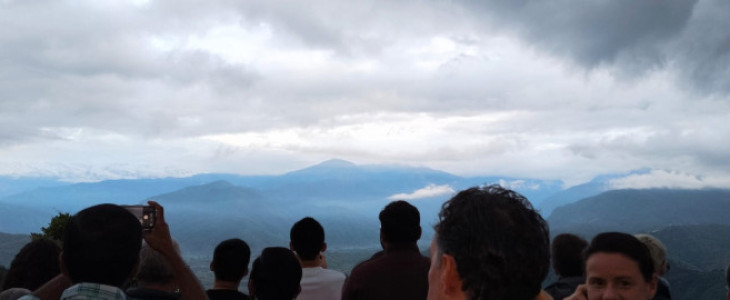
Nar Phu Valley Trek – A Remote Himalayan Experience with Adventure Aspirant
The Nar Phu Valley Trek invites intrepid explorers into one of Nepal’s least-trodden yet most captivating corners — the secluded valleys of Manang district. Officially opened to trekkers only in 2003, this hidden gem offers a perfect fusion of rugged adventure and rich cultural exposure. As you traverse remote settlements, pristine woodlands, and otherworldly landscapes, you’ll find yourself immersed in a region where time seems to stand still.
One of the highlights of this trek is the challenging Kang La Pass (5,320 meters), a thrilling high-altitude crossing that rewards you with panoramic Himalayan views. The trail eventually converges with the renowned Annapurna Circuit, providing a bonus glimpse into one of Nepal’s most iconic trekking experiences.
Scenery, Culture & Mountains – All in One Journey
For those seeking both natural grandeur and cultural immersion, the Nar Phu Valley Trek offers the best of both worlds. Throughout the route, you'll be treated to awe-inspiring views of Dhaulagiri (8,176m), Manaslu (8,163m), the Annapurna range, Lamjung Himal, and the striking Tilicho Peak. The dry, wind-sculpted terrain of Manang evokes the feeling of stepping into another planet—dramatic, stark, and unforgettable.
Along the way, trekkers have ample opportunity to explore the traditional villages of Nar and Phu, where the lifestyle, dialects, and customs of the local inhabitants offer deep cultural insight. At Adventure Aspirant, we believe that trekking is not just about spectacular views but about connecting with the people, traditions, and heritage that shape the Himalayan way of life.
Trekking Logistics & Seasonal Insights
Adventure Aspirant has carefully crafted this itinerary to deliver an all-encompassing experience while maintaining flexibility and comfort, even in this remote terrain. While tea houses or lodges may not be available at every stop, we ensure the best available accommodation and nutritious meals throughout the journey.
This trek is suitable for those with a good level of physical fitness, mental determination, and a love for off-the-beaten-path experiences. While the trail is operable year-round, the best seasons for this adventure are spring (March–May) and autumn (September–November), when the weather is most favorable, and the skies are clear.
Why Choose Nar Phu Valley Trek with Adventure Aspirant?
Explore a Less-Traveled Path: Step into a region only recently opened to outsiders and experience a trekking route with minimal crowds.
Unmatched Mountain Vistas: Encounter stunning Himalayan peaks, remote valleys, and dramatic high-altitude passes.
Cultural Immersion: Visit centuries-old Tibetan Buddhist villages and engage with local communities preserving ancient traditions.
Thoughtfully Designed Itinerary: We prioritize your comfort and safety while maximizing adventure and meaningful experiences.
Expert Guidance: Travel with experienced guides who are knowledgeable, friendly, and committed to your well-being.
Embark on the Nar Phu Valley Trek with Adventure Aspirant and uncover a world of stark beauty, sacred culture, and rare solitude in the high Himalayas. This trek is not just a journey through the mountains—it’s a profound exploration of Nepal’s untouched heartland, sure to leave lasting impressions and lifelong memories.
Day 1: Arrival in Kathmandu (1,400m)
Upon your arrival in Kathmandu, a representative from Adventure Aspirant will greet you at the airport and escort you to your hotel. After settling in and relaxing, you’ll receive a detailed trek briefing either at the hotel or at our office. In the evening, enjoy a traditional welcome dinner at an authentic Nepali restaurant.
Day 2: Cultural Exploration of Kathmandu (1,400m)
Today is dedicated to discovering the cultural treasures of Kathmandu. You’ll visit some of the valley’s most significant UNESCO World Heritage Sites, including Kathmandu Durbar Square, Boudhanath Stupa, and the sacred Pashupatinath Temple. After this enriching day, you’ll have free time to finalize your trek preparations. Overnight stay in Kathmandu.
Day 3: Drive from Kathmandu to Besisahar (760m), Continue to Koto (2,600m)
A scenic drive takes you from Kathmandu to Besisahar, offering glimpses of lush hills, terraced fields, and flowing rivers. From there, a further journey by jeep leads you to Koto, the gateway to the Nar Phu Valley. On arrival, you’ll be greeted by breathtaking views of Annapurna II and Manaslu. Overnight at Koto.
Day 4: Trek to Meta (3,560m)
Your journey into the restricted Nar Phu region begins today. The trail follows a rugged river gorge, winds through dense forests, and passes waterfalls and suspension bridges. You’ll reach Dharamsala before continuing to the windswept plateau of Meta, where you’ll spend the night surrounded by striking Himalayan scenery.
Day 5: Trek to Phu Village (4,080m)
Continue your ascent across arid highlands dotted with juniper shrubs and yak pastures. You’ll pass through Chyakhu and Kyang, traditional Tibetan-influenced settlements with unique architecture. The trail leads through canyons and across bridges, eventually reaching the remote and culturally rich Phu Village. Overnight in Phu.
Day 6: Acclimatization and Exploration Day in Phu (4,080m)
Today is a rest and exploration day in Phu. Walk around the medieval village, visit the revered Tashi Lhakhang Monastery, and interact with the warm-hearted locals. Discover ancient forts, chortens, and daily life largely untouched by modernity. A short hike offers panoramic views of the valley and distant snow peaks.
Day 7: Trek to Nar Village (4,110m)
Descend to the Phu River, retracing part of your trail before branching off toward Nar. The route gradually ascends through scenic terrain, dotted with mani walls and prayer flags. Upon reaching Nar Village, a beautifully preserved settlement, you’ll be welcomed by intricate stone houses and traditional Buddhist culture.
Day 8: Discover Nar Village (4,110m)
Spend the day delving deeper into Nar’s timeless charm. Visit monasteries, explore local shrines, and take in the peaceful pace of village life. The village offers rich insights into the Tibetan-influenced culture of the Manang region. Enjoy authentic encounters with locals and relax in this tranquil mountain haven.
Day 9: Trek to Ngawal (3,660m) via Kang La Pass (5,320m)
Today is a challenging but incredibly rewarding day. A steep climb takes you to the dramatic Kang La Pass, from where you'll witness jaw-dropping views of Annapurna III, Gangapurna, and the surrounding ranges. After soaking in the scenery, descend via scree trails and meadows to the charming village of Ngawal for an overnight stay.
Day 10: Trek to Pisang (3,200m) and Drive to Besisahar (760m)
Enjoy a leisurely walk to Pisang, following a gentle trail along the Marsyangdi River. From Pisang, board a jeep for a scenic drive back to Besisahar, where you’ll relax after completing the trekking portion of your journey. Overnight at a guesthouse in Besisahar.
Day 11: Return Drive to Kathmandu (1,400m)
Today, travel back to Kathmandu by road. The drive offers views of rural life, verdant hills, and terraced farming landscapes. Upon arrival, you’ll be transferred to your hotel. In the evening, Adventure Aspirant hosts a farewell dinner, giving you a chance to share stories and celebrate your Himalayan adventure.
Day 12: Departure from Kathmandu
As your journey with us comes to an end, our team will transfer you to Tribhuvan International Airport for your departure flight. You’ll leave Nepal with unforgettable memories of the Nar Phu Valley, its culture, landscapes, and people.
Permits for the Nar Phu Valley Trek
To explore the Nar Phu Valley, trekkers are required to obtain two permits: the Nar Phu Restricted Area Permit (RAP) and the Annapurna Conservation Area Permit (ACAP). The RAP fee varies depending on the trekking season, with higher prices during the busy autumn months of September and October, while the ACAP fee remains fixed throughout the year.
All required permits are included in the trekking package and will be arranged by Adventure Aspirant Pvt Ltd on your behalf.
Nar Phu Valley Trek Difficulty
The Nar Phu Valley Trek is rated as a moderate to challenging Himalayan adventure because of its isolated trails, high mountain passes, and long walking days. Trekkers must cross the demanding Kang La Pass at 5,320 meters while navigating rugged mountain terrain.
Daily trekking distances generally range from 10 to 12 kilometers, with some days extending up to 15 kilometers. Expect to walk approximately 5 to 7 hours per day through a combination of steep ascents and descents, requiring solid physical fitness and stamina.
The journey begins around Koto Village at 2,610 meters and climbs to major high-altitude points including Kang La Pass, which reaches approximately 5,320 meters.
To reduce the risk of altitude sickness, the itinerary includes carefully planned acclimatization days.
Travel Insurance
Comprehensive travel insurance is compulsory for trekking in Nepal’s remote mountain regions, especially in Nar Phu Valley and the Annapurna Circuit.
Your policy should cover:
Emergency medical treatment
Helicopter evacuation and rescue
High-altitude trekking activities
Trip cancellation or interruption
Personal liability
Loss or delay of baggage
Because of the isolated terrain and limited access to medical facilities, helicopter rescue coverage is particularly important.
Distance from Kathmandu to Nar Phu Valley
The trip to Nar Phu Valley begins with a drive from Kathmandu to Dharapani via Besisahar. From there, the route continues toward Koto, which serves as the trekking starting point.
Kathmandu to Dharapani: approximately 180 km (7–8 hours by road)
Dharapani to Koto: continuation by road/trail
Koto to Nar Phu Valley: roughly 55 km one way
The trek usually takes around 10 to 14 trekking days depending on the itinerary.
Highest Elevation of the Trek
The highest point reached during the Nar Phu Valley Trek is Kang La Pass at approximately 5,320 meters (17,454 feet).
Nar and Phu villages themselves sit at elevations around 4,100–4,200 meters, surrounded by dramatic Himalayan landscapes and ancient Tibetan-influenced settlements.
Preparation for the Nar Phu Valley Trek
Proper preparation is essential before attempting the Nar Phu Valley Trek. Trekkers are advised to begin training at least 3 months in advance.
Recommended preparation includes:
Regular hiking with a backpack
Running, cycling, or stair climbing
Strength and endurance training
Practicing long-distance walking
Packing suitable layered clothing and allowing enough time for acclimatization during the trek are equally important for a safe and enjoyable experience.
What Makes Nar Village Unique?
Nar Village is one of the hidden cultural treasures of the Annapurna region. The people living in Nar and neighboring Phu are believed to be descendants of Khampa migrants from Tibet’s Kham region.
The villages have preserved a strong Tibetan identity reflected in their language, traditions, architecture, and religious practices.
During the trek, visitors may encounter traditional nomadic communities living alongside yak and sheep herds. Some families still use handmade yak-hair tents in seasonal camps.
The region is also known for its ancient monasteries and historical sites, including:
Tashi Lakhang Gompa
Nar Phedi Monastery
Old fortress ruins (dzongs)
The local spiritual culture blends Tibetan Buddhism with elements of the Bon religion, creating a fascinating cultural experience.
Trek Customization Options
The Nar Phu Valley Trek can be customized to match different travel schedules and adventure preferences.
Possible extensions and modifications include:
Adding Tilicho Lake to the itinerary
Extending or shortening the trek duration
Including extra acclimatization days
Starting or ending from alternative locations
Spending additional days in Kathmandu or Pokhara
While the standard Nar Phu trek typically lasts 10–12 days, Adventure Aspirant Pvt Ltd also offers a longer 16-20 day itinerary combined with the Annapurna Circuit Trek for a more complete Himalayan adventure.
For personalized itineraries, booking support, or further information, trekkers can contact the travel experts at Adventure Aspirant Pvt Ltd anytime.
Head Gear
Multifunctional buff or neck gaiter
Sun cap, wide-brim hat, or headscarf
Lightweight balaclava or insulated wool/fleece hat
UV-protection sunglasses
Headlamp or flashlight with batteries
Upper Body Clothing
Breathable T-shirts or thermal base layers
Warm fleece or insulating jacket
Waterproof and wind-resistant outer shell
Down jacket (bringing your own is highly recommended; Adventure Aspirant Pvt Ltd will provide one on rental basis, which must be returned after the trek)
Lower Body Clothing
Lightweight trekking trousers
Waterproof over-trousers
Thermal base layer bottoms
Footwear
Lightweight liner socks
Thick wool hiking socks for warmth
Sturdy and comfortable trekking boots
Casual shoes, sandals, or slippers for use after trekking
Hand Protection
Insulated waterproof gloves (such as Gore-Tex or similar)
Accessories & Essentials
Sleeping bag suitable for temperatures around -20°C (personal one is recommended; rental available through Adventure Aspirant Pvt Ltd and must be returned after use)
Trekking duffel bag (provided), plus an additional suitcase or bag for storage in Kathmandu
Waterproof covers or plastic liners to keep gear dry
Trekking poles (optional but beneficial)
Reusable water bottle or hydration bladder
Personal toiletries and hygiene items
Quick-dry towel
Basic repair kit (needle, thread, etc.)
Sunscreen, insect repellent, and lip balm
Personal first-aid kit (including pain relievers, bandages, antihistamines, and medication for stomach issues)
Electrolyte or rehydration salts, along with any personal medications
Wet wipes or tissues
Books, journal, or other light entertainment items
1- Can I Get a Nepal Visa on Arrival?
Yes, travelers from most countries are eligible for a visa on arrival in Nepal. To save time at the airport, it is recommended to complete the online visa application form before your arrival. Make sure your passport has at least six months of validity remaining and enough blank pages for visa stamps.
Please note that citizens of certain countries, including Nigeria, Ghana, Afghanistan, and a few others, are required to obtain a visa before traveling to Nepal.
2- Do You Arrange Sightseeing Tours in Kathmandu?
Absolutely! Adventure Aspirant Pvt Ltd can organize guided sightseeing tours in Kathmandu before or after your trek.
Whether you want to explore historical temples, UNESCO World Heritage Sites, local markets, or cultural landmarks, we can easily include a customized day tour in your itinerary. Simply let us know your interests, and we’ll arrange everything for you.
3- Will I Stay at the Same Hotel if I Return Early?
Not always. If you arrive back in Kathmandu earlier or later than your scheduled itinerary, accommodation availability may vary, especially during busy trekking seasons. However, our team at Adventure Aspirant Pvt Ltd will handle all hotel arrangements and ensure you have a comfortable place to stay during your return.
4- Can I Cancel My Trip? Is the Deposit Refundable?
Yes, you may cancel your booking if you are unable to travel. To proceed with cancellation, simply send us an email with your request, and our team will process it as quickly as possible. Please keep in mind that the 15% booking deposit is non-refundable. However, the deposited amount can be transferred as credit toward a future trip with Adventure Aspirant Pvt Ltd. We strongly encourage all travelers to review our booking and cancellation policy before confirming their reservation.
5- Do You Accept Last-Minute Bookings?
Yes, we do accept last-minute reservations whenever possible. Availability depends on accommodation, transportation, and permit processing timelines. For restricted-area treks like Nar Phu Valley, booking a few days in advance is highly recommended to ensure all permits and logistics are arranged properly. Even if your plan is very last minute, feel free to contact Adventure Aspirant Pvt Ltd, and we will do our best to organize your adventure.
6- Is a Guide Required for the Nar Phu Valley Trek?
Yes, a licensed trekking guide is mandatory for the Nar Phu Valley Trek because the region is classified as a restricted area in Nepal. Our guides at Adventure Aspirant Pvt Ltd are experienced professionals familiar with the Nar Phu region, local Tibetan-influenced culture, weather conditions, and mountain terrain. They are trained in first aid and carry essential safety equipment such as oximeters to monitor oxygen levels at high altitude.
In addition to ensuring your safety, guides also assist with:
Accommodation management in remote villages
Trekking permits and logistics
Handling altitude-related issues
Route adjustments during unexpected conditions
Cultural interpretation and local insights
With their support and expertise, your Nar Phu Valley trekking experience will be safer, more organized, and far more rewarding.
The given cost are per person and exclude international flights. Given below are the departure dates available for online booking. If the given date is not favorable then please contact us and we will happily customize your trip on dates more appropriate for you.
Note: If your group size is of more than 1 pax then you can set your own departure date.
| Start Date | Trip Price | Discount | Discounted Price | Action |
|---|
USD1298pp
Duration : 12 Days
From USD 1649
Duration: 17 Days
View Details