Upper Mustang Trekking – A Timeless Himalayan Odyssey
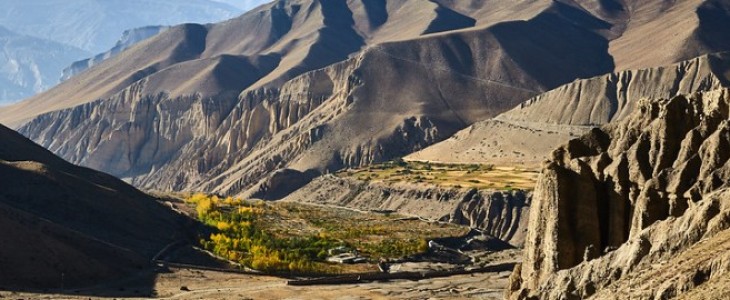
Embark on the Upper Mustang Trek – a captivating expedition through the secluded and culturally profound landscapes of northwestern Nepal. Nestled beyond the Annapurna massif, Upper Mustang is a remote, semi-arid region characterized by its wind-sculpted sandstone cliffs, patchy glacial terraces, and striking hues of red, ochre, and bronze. Compared to other high-altitude hikes, the journey to the walled city of Lo Manthang is relatively moderate, making it accessible to trekkers of varied experience levels.
The trail winds through barren terrain and sparse vegetation, where strong daytime gusts are a regular occurrence. What sets this trek apart is the deep cultural immersion into the Tibetan-influenced traditions, customs, and daily lives of the local Mananghi communities. At the heart of the region lies Lo Manthang, the ancient capital that still echoes its royal legacy. Rooted more in folklore than historical records, this fortress-like city remained an independent kingdom until its integration into Nepal in 1951. It wasn’t until 1992 that this restricted area was opened to foreign visitors, and even today, permits are limited to help safeguard its unique heritage and delicate ecosystem.
What makes the Upper Mustang trail truly special is its suitability during the summer monsoon months. Protected by the massive rain-shadow cast by the Annapurna and Dhaulagiri ranges, this area remains dry and pleasant, even when the rest of Nepal is drenched in rain. We use convenient flights between Pokhara and Jomsom to bypass the wetter southern stretches of the Annapurna region.
Trekking during this season offers the added reward of vibrant cultural scenes – villagers actively engaged in their daily rhythms, lush floral blooms brightening the arid backdrops, and a surreal contrast of crimson cliffs against pristine snow-peaks. The Upper Mustang trek promises a once-in-a-lifetime exploration of ancient Tibetan culture, forgotten caves, and the enchanting medieval city of Lo Manthang.
Join Adventure Aspirant and step into a hidden Himalayan realm unlike any other.
Day 1: Arrive in Kathmandu (1400m)
Welcome to Nepal! Upon arrival in the capital city, Kathmandu, a representative from Adventure Aspirant will greet you and transfer you to your hotel. Rest and prepare for the adventure ahead.
Day 2: Scenic Drive to Pokhara (827m) – Approx. 6-7 hours
Enjoy a picturesque road journey to the serene lakeside city of Pokhara, passing lush hills, rivers, and terraced farmland along the way.
Day 3: Flight to Jomsom (2710m) & Trek to Kagbeni (2800m) – 25-min flight, 2-3 hour hike
Take a thrilling mountain flight to Jomsom, then begin your trek with a gentle walk to the charming village of Kagbeni, the gateway to Upper Mustang.
Day 4: Trek to Chele (3050m) – Around 6-7 hours
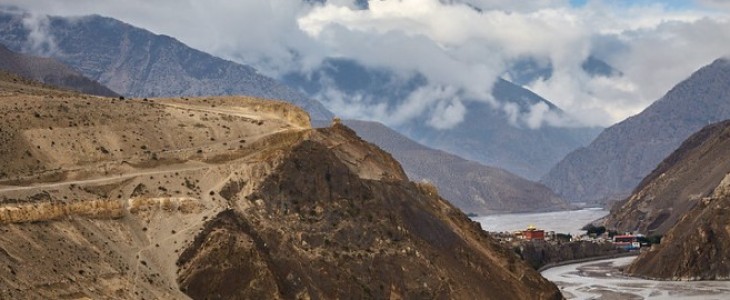
Begin your ascent through arid terrain and wind-carved cliffs, passing through traditional settlements to reach the village of Chele.
Day 5: Trek to Syangbochen (3740m) – Around 6-7 hours
Trek through high-altitude trails with panoramic views of rugged landscapes and unique rock formations to the settlement of Syangbochen.
Day 6: Trek to Ghami (3520m) – Around 6-7 hours
Continue your journey through dramatic canyons and high ridges, eventually reaching Ghami, one of the largest villages in Upper Mustang.
Day 7: Trek to Tsarang (3500m) – Around 6-7 hours
Walk past ancient mani walls and remote landscapes to reach the historically rich village of Tsarang, known for its monastery and heritage.
Day 8: Trek to Lo Manthang (3800m) – Approx. 5-6 hours
Ascend to the fabled walled city of Lo Manthang, the crown jewel of Upper Mustang, filled with Tibetan architecture and royal history.
Day 9: Discover Lo Manthang (3800m)
Spend the day exploring this fascinating medieval town, visiting ancient monasteries, royal palaces, and learning about the region’s vibrant Tibetan culture.
Day 10: Trek to Dhakmar (3810m) – Around 6-7 hours
After enjoying breakfast in Lo Manthang, we will initially ascend to 4070 meters and then climb to the Marang (Chogo) La Pass. It is the most demanding section of our trip at 4230 meters (13,878 ft). This is also the highest viewpoint of our trek.
Day 11: Trek to Ghiling (3440m) – Approx. 5-6 hours
Descend along alternate paths through valleys and windy plateaus to reach the quiet village of Ghiling.
Day 12: Trek to Chhuksang (3040m) – Approx. 4-5 hours
Enjoy a relatively easier descent through rugged paths and sparse vegetation to Chhuksang.
Day 13: Trek to Jomsom (2710m) – Approx. 3-4 hours
Conclude the trekking journey with a final stretch to Jomsom, the windy mountain town and gateway to the Mustang region.
Day 14: Fly Back to Pokhara (1400m)
Catch a morning flight back to Pokhara and enjoy a well-deserved rest by the lakeside or explore the town’s relaxing ambiance.
Day 15: Drive to Kathmandu & Farewell Dinner (1400m)
Return to Kathmandu by road, and in the evening, celebrate your incredible Himalayan journey with Adventure Aspirant on a reputed restaurant as farewell dinner.
Day 16: Final Departure from Kathmandu (1400m)
After breakfast, according your flight time, you’ll be transferred to the airport for your onward journey. We bid you farewell and hope to see you again for another adventure with Adventure Aspirant!
Lo Manthang – The Soul of the Upper Mustang Trek
Lo Manthang is the cultural and historical centerpiece of the Upper Mustang trek, often described as one of Nepal’s most captivating destinations. Sitting at an elevation of around 3,840 meters, this ancient walled city was once the capital of what is famously called the “Last Forbidden Kingdom.”
Exploring Lo Manthang feels like traveling into the past. Its narrow alleyways, traditional mud-brick houses, and towering red walls reflect centuries of preserved heritage. Visitors have the rare opportunity to experience a lifestyle that has remained largely unchanged, offering a deep connection to Tibetan-influenced traditions and history.
The summer months are especially favorable for visiting, thanks to the region’s dry climate and clear skies, which make trekking conditions more pleasant. While there, you can visit spiritual landmarks such as Namgyal Gompa, known for its intricate wall paintings and strong religious significance.
If your visit coincides with local celebrations like the Yartung Festival, you’ll witness lively horse races, traditional performances, and sacred rituals that bring the community together.
Beyond the main city, nearby settlements like Tingkar and Charang offer additional cultural insights and scenic exploration. Friendly locals, flavorful Tibetan-style cuisine, and the region’s dramatic landscapes all combine to make Lo Manthang an unforgettable highlight of the Upper Mustang journey.
Best Time to Trek in Upper Mustang
When considering the ideal season for trekking in Nepal, especially during the warmer months, Upper Mustang stands out as an exceptional choice. Sheltered behind the towering Annapurna range, this region lies in a rain shadow zone, offering predominantly dry conditions and clear skies even in the monsoon season.
One of the greatest advantages of trekking in Upper Mustang during summer is the tranquil environment and availability of quality teahouses. While spring (March to May) and autumn (September to November) are traditionally favored for trekking, summer (June to August) here remains remarkably peaceful and dry.
A particularly captivating time to visit is May, when the Tiji Festival takes place. This vibrant three-day celebration, deeply rooted in Tibetan Buddhist tradition, is hosted within the ancient walled city of Lo Manthang. Visitors are treated to elaborate mask dances, sacred rituals, and spiritual storytelling that reflect the deep cultural heritage of the region. Trekking during this time allows travelers to blend scenic adventure with rich cultural discovery.
Although winter trekking is possible, it requires proper preparation due to colder conditions and potential snowfall. With the right gear and mindset, however, Upper Mustang promises a remarkable journey no matter the season.
Required Permits for the Upper Mustang Trek
Upper Mustang is classified as a restricted area due to its proximity to the Tibetan border, so special permits are required to enter this region.
The main permit is the Restricted Area Permit (RAP). Under the updated policy, the previous fixed fee of USD 500 for 10 days has been replaced with a more flexible system. Trekkers now pay USD 50 per person per day, allowing you to only pay for the exact number of days you spend in Upper Mustang.
In addition to the RAP, trekkers must also obtain the Annapurna Conservation Area Permit (ACAP), which typically costs around USD 20-25 per person and remains valid for the entire duration of the trek.
Solo trekking is still not permitted in Upper Mustang. A minimum of two trekkers is required, and you must travel with a licensed guide through a registered trekking agency. This regulation helps ensure safety while preserving the region’s unique culture and environment.
Accommodation During the Upper Mustang Trek
On your trek with Adventure Aspirant, your accommodation will evolve with the terrain. In Pokhara, you'll enjoy a stay in a cozy tourist-class hotel, offering comfort before and after your trek. However, as you move deeper into the Upper Mustang region, expect more basic but authentic lodging experiences.
Teahouses, operated by local families, serve as your home in the mountains. While modest, they are clean and welcoming, with a central heated dining area providing warmth and a place to connect with fellow trekkers. Rooms usually feature twin beds, mattresses, pillows, and blankets. It's recommended to bring a 3-season sleeping bag and a pillow cover for extra warmth and hygiene.
Rather than luxury, the charm of these stays lies in genuine hospitality, peaceful surroundings, and the opportunity to engage with the traditional lifestyle of the Mustang people.
Acclimatization During the Trek
Proper acclimatization is essential on high-altitude treks, and the Upper Mustang route is carefully designed to help your body adjust to the elevation.
The itinerary includes gradual ascents, strategic rest days, and shorter hiking distances to minimize the risk of altitude sickness. On rest days, you’ll have time to explore nearby areas, enjoy panoramic views, and delve deeper into the unique local culture.
These pauses not only promote physical well-being but also offer a richer understanding of the region’s heritage, allowing you to fully immerse yourself in both nature and community.
Why Choose Adventure Aspirant for Your Upper Mustang Trek?
When you journey with Adventure Aspirant, you're not just booking a trek—you’re signing up for an unforgettable experience, curated with care, knowledge, and passion. Here’s why we stand out:
Extensive Experience & Local Expertise: Our seasoned guides and ground crew are well-versed in the geography, culture, and logistics of the Upper Mustang region.
Tailored Itineraries: We adapt our programs to your preferences, timeframe, and physical condition to ensure the most rewarding journey.
Ethical & Eco-Conscious Travel: We emphasize sustainable tourism, minimizing environmental impact while supporting local communities.
Reliable Safety Measures: Your well-being is our top priority—our staff is trained in first aid and equipped with quality gear and communication tools.
Logistics Covered: From permits to transport, from meals to mountain accommodation—we handle all the details so you can focus on the experience.
Cultural Immersion: Go beyond sightseeing. Connect with local traditions, enjoy authentic interactions, and deepen your understanding of Mustang’s unique identity.
Dedicated Support Team: Expect prompt, friendly, and professional service—from your first inquiry until your safe return home.
Book your Upper Mustang adventure with Adventure Aspirant and uncover the raw beauty, spiritual depth, and cultural richness of one of Nepal’s most enchanting regions. Let us guide you through ancient trails and timeless villages, crafting memories that will stay with you forever.
Head Gear
Multifunctional buff or neck gaiter
Sun cap, wide-brim hat, or headscarf
Lightweight balaclava or insulated wool/fleece hat
UV-protection sunglasses
Headlamp or flashlight with batteries
Upper Body Clothing
Breathable T-shirts or thermal base layers
Warm fleece or insulating jacket
Waterproof and wind-resistant outer shell
Down jacket (bringing your own is highly recommended; Adventure Aspirant Pvt Ltd will provide one on rental basis, which must be returned after the trek)
Lower Body Clothing
Lightweight trekking trousers
Waterproof over-trousers
Thermal base layer bottoms
Footwear
Lightweight liner socks
Thick wool hiking socks for warmth
Sturdy and comfortable trekking boots
Casual shoes, sandals, or slippers for use after trekking
Hand Protection
Insulated waterproof gloves (such as Gore-Tex or similar)
Accessories & Essentials
Sleeping bag suitable for temperatures around -20°C (personal one is recommended; rental available through Adventure Aspirant Pvt Ltd and must be returned after use)
Trekking duffel bag (provided), plus an additional suitcase or bag for storage in Kathmandu
Waterproof covers or plastic liners to keep gear dry
Trekking poles (optional but beneficial)
Reusable water bottle or hydration bladder
Personal toiletries and hygiene items
Quick-dry towel
Basic repair kit (needle, thread, etc.)
Sunscreen, insect repellent, and lip balm
Personal first-aid kit (including pain relievers, bandages, antihistamines, and medication for stomach issues)
Electrolyte or rehydration salts, along with any personal medications
Wet wipes or tissues
Books, journal, or other light entertainment items
1- Can I personalize my Upper Mustang trekking itinerary?
Yes, private treks can be tailored according to your preferences. You have the flexibility to adjust walking days, include additional acclimatization time, or even add sightseeing in Kathmandu. The itinerary is designed around your schedule, fitness level, and interests. However, fixed group departures usually follow a set plan and are not customizable.
2- What food options are available during the trek?
Teahouses along the Upper Mustang route serve a wide range of meals, including Nepali, Indian, Tibetan, Italian, and Chinese dishes. You’ll also find snacks, desserts, and beverages to suit different tastes. Meals are freshly cooked and aimed at providing the energy needed for trekking at higher elevations.
3- Are special dietary meals (vegetarian, vegan, gluten-free) available?
Yes, most teahouses can accommodate vegetarian, vegan, and gluten-free diets. It’s important to inform your guide or trekking organizer in advance about any dietary restrictions or allergies so arrangements can be made accordingly.
Note: Always remind your guide about food allergies during the trek to ensure your meals are prepared safely and appropriately.
4- What type of accommodation can I expect?
Accommodation is mainly in twin-sharing teahouses with basic but comfortable facilities such as beds, mattresses, and clean bedding. In lower villages like Kagbeni, Chele, and Geling, rooms may include attached bathrooms and hot showers. As you move higher, facilities become simpler, with shared bathrooms and more basic setups.
5- Is Wi-Fi or mobile connectivity available on the trek?
Yes, connectivity is possible in many parts of the trek. You can buy local SIM cards such as Nepal Telecom (NTC) or Ncell in Kathmandu. Data packages are affordable and allow you to stay in touch with family and friends during the journey, though coverage may be limited in remote areas.
6- Can I leave extra luggage in Kathmandu?
Yes, most hotels in Kathmandu offer secure luggage storage free of cost. You can leave unnecessary items there and collect them after completing your trek, making your journey lighter and more comfortable.
7- Is trekking gear provided?
Basic trekking equipment such as a sleeping bag, down jacket, and duffel bag is often provided for use during the trek. These items are suitable for cold conditions, typically rated for temperatures as low as -15°C. A trekking map and small souvenirs like a T-shirt or cap may also be included.
8- How can I prevent altitude sickness during the trek?
To reduce the risk of altitude sickness, it’s important to walk at a steady pace, stay hydrated (around 4–5 liters of water daily), and follow proper acclimatization practices. Eating nutritious meals and avoiding alcohol also help. Trek itineraries usually include rest days for adjustment. Always inform your guide if you feel symptoms such as headache, dizziness, or nausea.
Guides typically monitor your condition regularly, and emergency evacuation services are available if required.
9- Is travel insurance necessary?
Yes, travel insurance is mandatory for trekking in Upper Mustang. Your policy should cover high-altitude trekking (up to 6,000 meters), emergency evacuation, and helicopter rescue. Reliable providers include AXA, Allianz, and World Nomads.
10- How challenging is the Upper Mustang Trek?
The trek is generally considered moderate. Expect to walk 5–7 hours daily (around 10–15 km) on dry, rugged terrain at high altitude. No prior trekking experience is required, but a good level of fitness is important. Proper pacing and acclimatization are key, especially when crossing areas like Chogo La Pass.
11- How long is the Upper Mustang Trek?
The total distance is approximately 130 to 150 kilometers, depending on the route. The highest point is Lo Manthang, located at around 3,850 meters.
The trek typically begins from Jomsom and passes through villages such as Kagbeni, Chele, Ghami, Chhusang, Tsarang, and finally reaches Lo Manthang. Along the way, trekkers experience ancient monasteries, cave dwellings, and rich Tibetan-influenced culture.
The given cost are per person and exclude international flights. Given below are the departure dates available for online booking. If the given date is not favorable then please contact us and we will happily customize your trip on dates more appropriate for you.
Note: If your group size is of more than 1 pax then you can set your own departure date.
| Start Date | Trip Price | Discount | Discounted Price | Action |
|---|
USD2349pp
Duration : 16 Days
From USD 1649
Duration: 17 Days
View Details